 English
 عربى
عربى
 中文繁体
中文繁体

Content
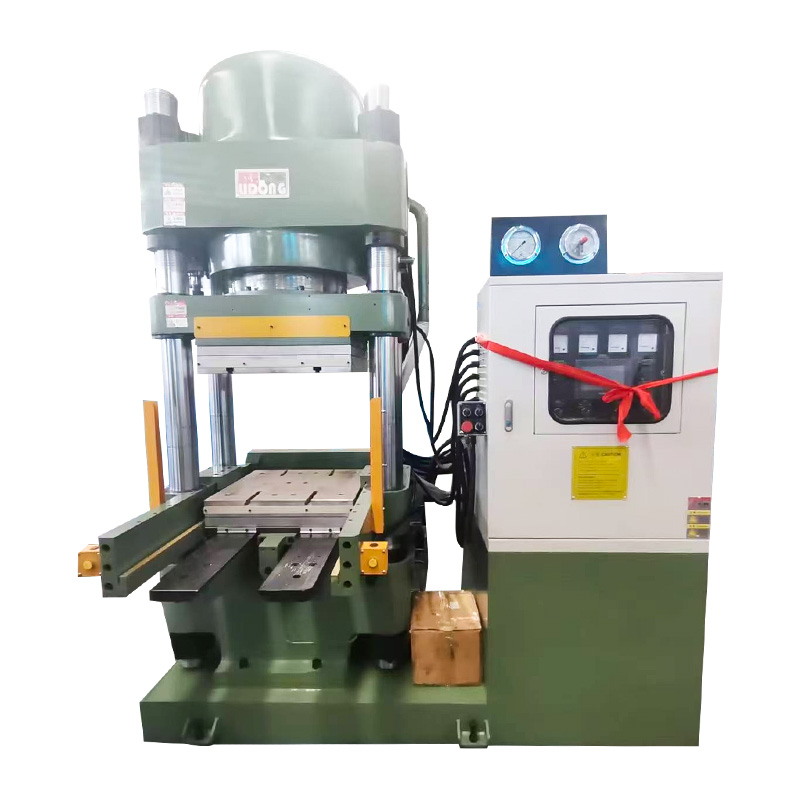
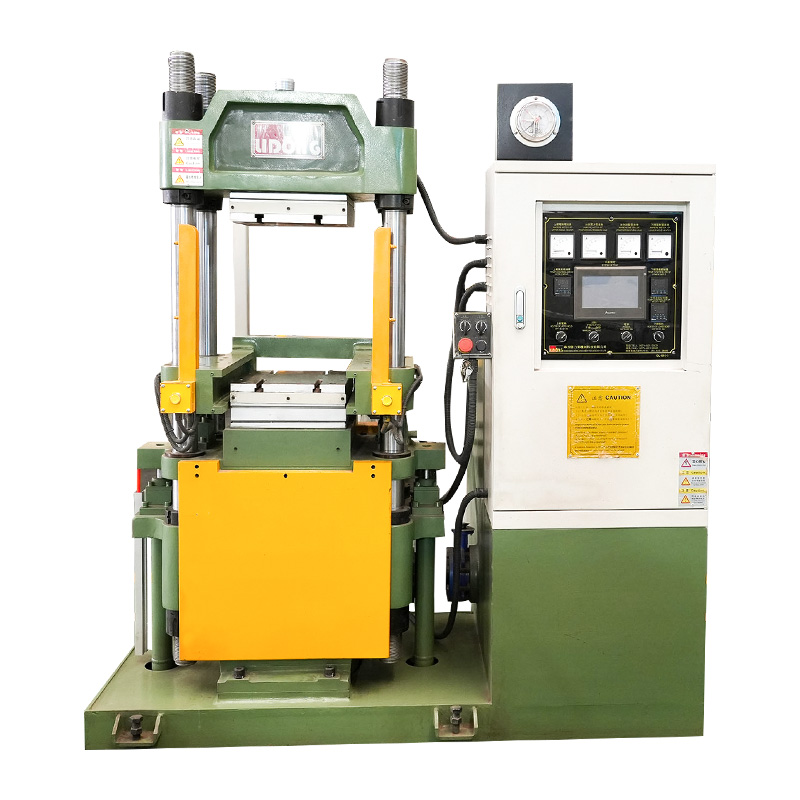
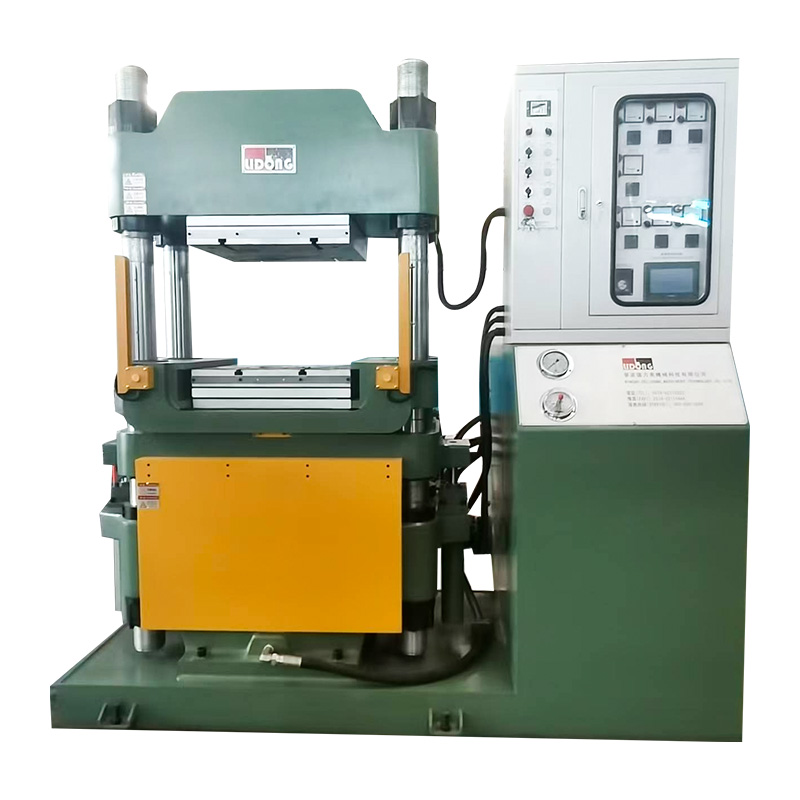
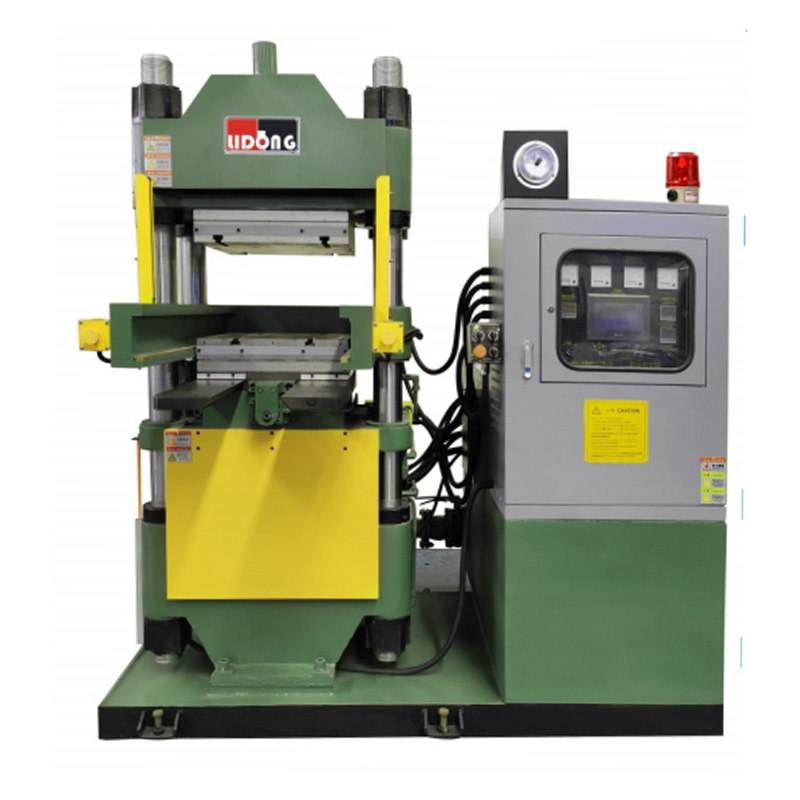
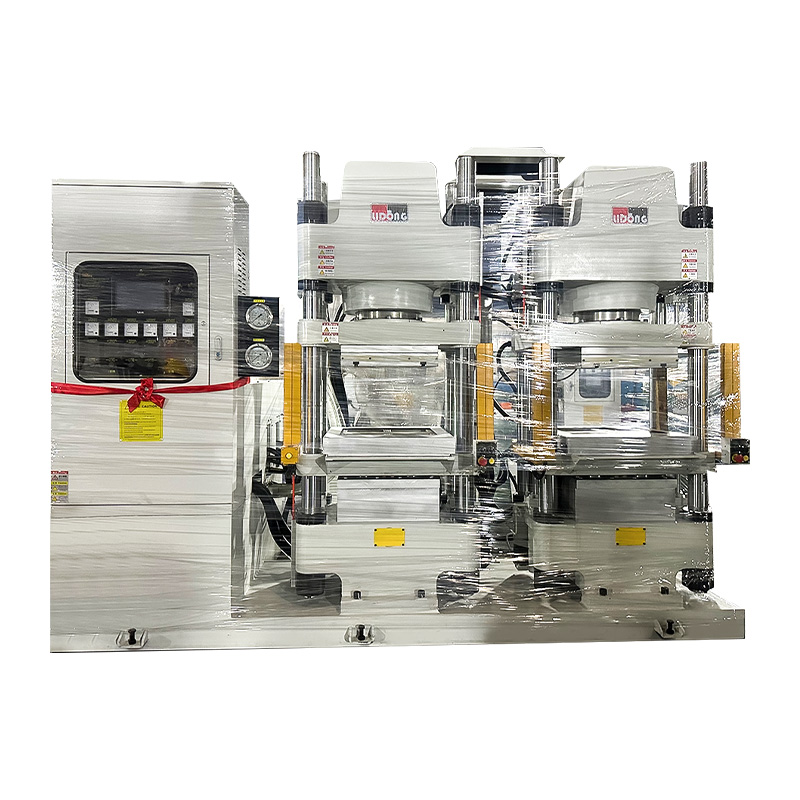
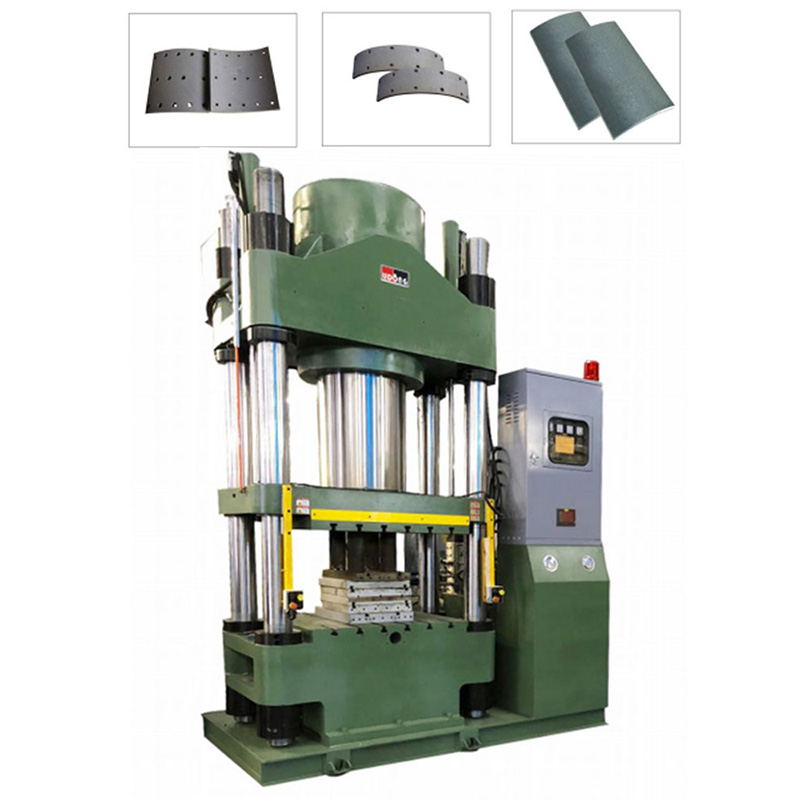
The brake pad hot-press forming machine is the core piece of equipment in friction material production. The machine's running stability, forming accuracy, and service life directly affect the finished-pad yield rate, batch consistency, and overall production cost.
Establishing routine maintenance and standardized safe operation is the core way to avoid unexpected equipment downtime, reduce repair costs, and greatly extend the service life of the press. This article sets out the full daily, weekly, and monthly maintenance procedures for the brake pad press, along with the key points of standardized safe operation, to give brake pad manufacturers a practical, ready-to-use equipment maintenance plan.
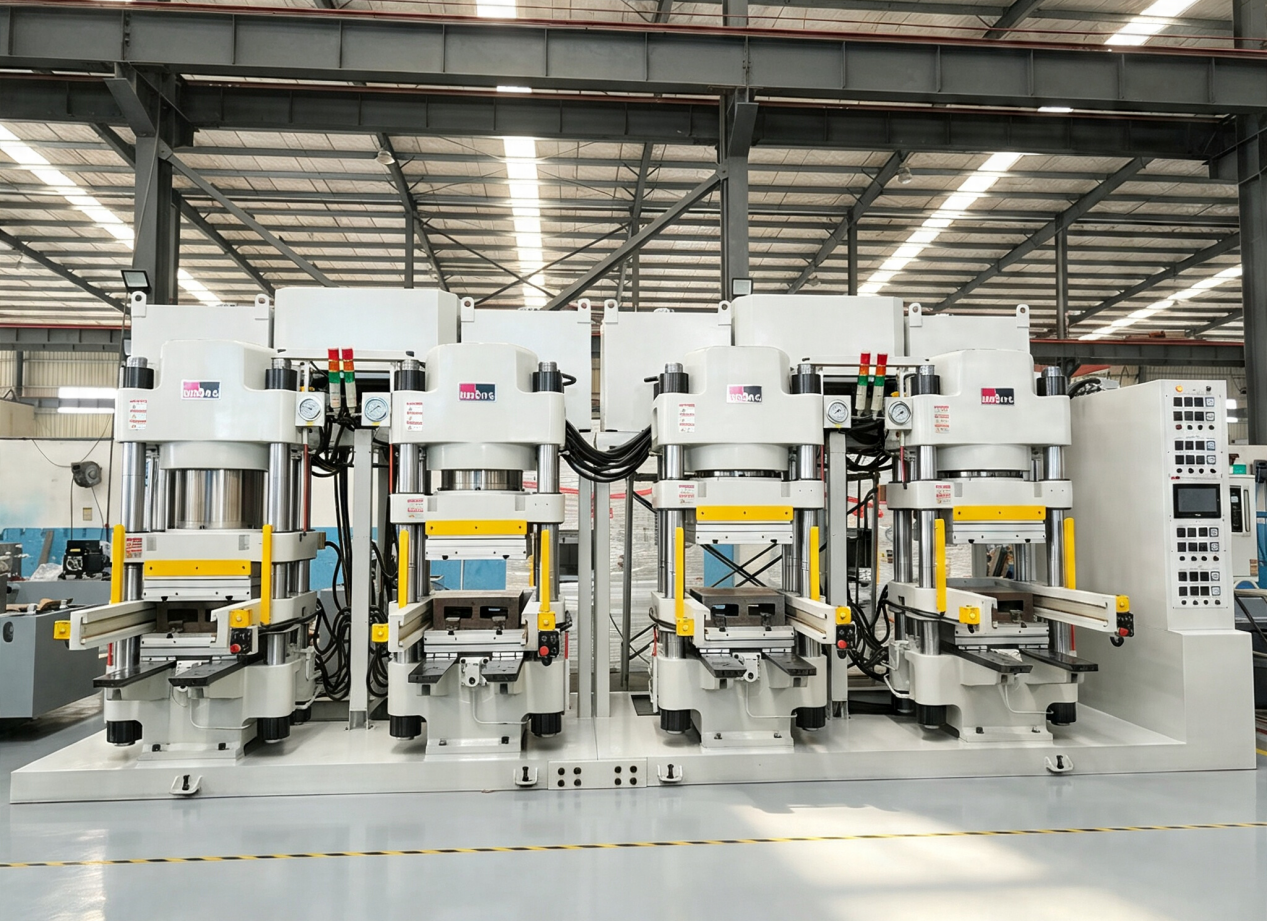
1. Daily Maintenance Checklist for the Brake Pad Press (Required Every Day)
Daily maintenance is the foundation of stable production. Centered on cleaning, inspection, and pre-run checks, it catches minor hidden issues early, preventing small problems from building up into major failures and keeping daily production running smoothly.
1. Cleaning and Care of the Equipment and Production Environment
Before and after production each day, be sure to clean friction material dust, oil stains, leftover scrap, and release-agent residue from the press worktable, sliding guide rails, and mold surfaces.
Key warning: A buildup of dust and debris will directly cause components to stick, leave mold impressions, and produce uneven pressure transmission, resulting in an uneven pad surface and inadequate density that seriously affects finished product quality. At the same time, keep the electrical control cabinet dry and dust-free to prevent dust buildup from causing short circuits, sensor failures, and other electrical faults.
2. Full Inspection of the Hydraulic System
The hydraulic system is the press's core source of power. Every item below must be checked daily:
- Check the hydraulic oil level, keeping it strictly within the standard mark range, avoiding both a low level and overflow
- Inspect oil pipes, fittings, and cylinder seals, promptly identifying any weeping, leaks, or component aging
- Listen to the equipment's running sound at startup — stop immediately and investigate if there is unusual noise, chattering, or vibration
Even minor oil leakage or unstable pressure will directly result in insufficient forming pressure, causing incomplete pad formation and substandard density, and greatly increasing the defect rate.
3. Pre-Production Warm-Up and Parameter Verification
Before formal batch production, a 5–10 minute no-load warm-up must be carried out. High-pressure forming directly on a cold machine is strictly prohibited, in order to reduce mechanical wear on the equipment and avoid defects such as cracking or short-fill during forming.
At the same time, verify core parameters such as equipment temperature, pressure, and dwell time, and fine-tune them precisely according to the characteristics of the specific friction material, effectively avoiding issues such as high-temperature thermal fade and forming defects.
2. Weekly & Monthly In-Depth Maintenance (Long-Term Precision Protection)
Daily maintenance addresses surface-level issues, while weekly and monthly in-depth maintenance determines the equipment's long-term precision and service life, and is key to ensuring consistency across production batches.
1. Weekly Maintenance: Lubrication Care + Component Tightening
For all moving parts — guide rails, bearings, gears, sliding contact surfaces, and the like — periodically apply dedicated lubricating grease to reduce mechanical friction wear and prevent components from sticking or seizing.
Fully tighten any loose bolts on the machine body, mold base, and hydraulic components to stabilize the equipment's overall structure. At the same time, check the wear condition of the safety limit devices and travel switches to ensure the safety protection functions remain sensitive and effective.
2. Monthly Maintenance: System Testing + Consumables Replacement + Precision Calibration
Each month, carry out an all-around, in-depth inspection of the equipment, focusing on three core areas:
- Hydraulic oil testing and replacement: Check the hydraulic oil's cleanliness and viscosity. If the oil has darkened, developed an odor, or contains contaminants, change the oil and clean the filter element immediately to prevent line blockage and pressure imbalance
- Wear-part inspection and replacement: Check piston rods, seals, hoses, and other components for aging, and replace worn parts in advance to prevent pressure loss and oil leakage faults
- Equipment precision calibration: Calibrate the pressure system and the temperature control system, keeping pressure and temperature error within a precise range to ensure zero deviation across production batches
3. Core Safe Operation Precautions (The Top Priority)
Standardized safe operation not only protects the equipment and reduces faults, but more importantly avoids production safety accidents — it is the baseline requirement for standardized production on the shop floor.
1. Maintenance Work Must Be Done with Pressure Released and Power Cut
Before any equipment servicing or maintenance work, fully cut off the power and air supply, and completely release any residual pressure in the hydraulic system. It is strictly forbidden to disassemble the equipment while it is live or under pressure, in order to prevent safety accidents.
2. No Overloaded or Out-of-Spec Production
Operate strictly within the equipment's rated pressure, and do not use oversized molds or raw materials, in order to prevent frame deformation, cylinder damage, or hydraulic system failure. When changing molds or adjusting parameters, the machine must be stopped and allowed to come to a complete standstill before proceeding.
3. Stop for Faults — Never Continue Operating with a Fault
If the equipment shows abnormal conditions such as unusual noise, oil leakage, unstable pressure, or overheating, it must be stopped immediately for repair, and work can only resume once the fault has been fully resolved. Continuing to operate with a fault will accelerate equipment wear and increase repair costs.
4. Proper Storage During Extended Downtime
When the equipment will be idle for an extended period, apply rust prevention treatment to the molds and moving parts, drain any residual fluid from the hydraulic system, and store the machine in a dry, well-ventilated environment to prevent components from corroding or aging.
4. The Core Value and Production Benefits of Standardized Maintenance
Many factories overlook routine maintenance, seemingly to save time — but in reality this steadily erodes equipment precision and increases production costs over the long run. Scientific, standardized maintenance delivers real, tangible benefits for a business:
- Lower failure rate: Standardized maintenance can reduce the probability of press failure by more than 80%, cutting losses from unexpected downtime
- Extended equipment life: Reduces mechanical wear and system stress, substantially extending the equipment's service life
- Stable product quality: Consistently stable pressure and temperature precision ensure batch-to-batch consistency of brake pads and lower the defect rate
- Lower production costs: Reduces high repair and part-replacement costs, improving the production line's overall efficiency and economic returns
Summary: The precision and service life of a brake pad press depend thirty percent on the quality of the equipment and seventy percent on daily maintenance. Standardized, routine maintenance and operation are the best way for brake pad factories to improve quality, boost efficiency, and reduce costs.