English
 عربى
 中文繁体
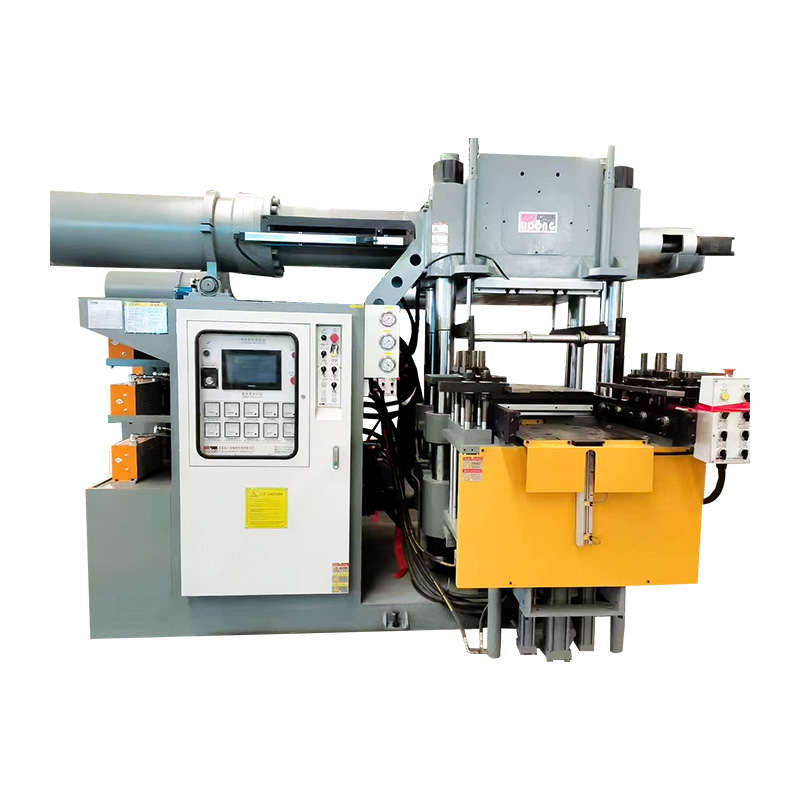
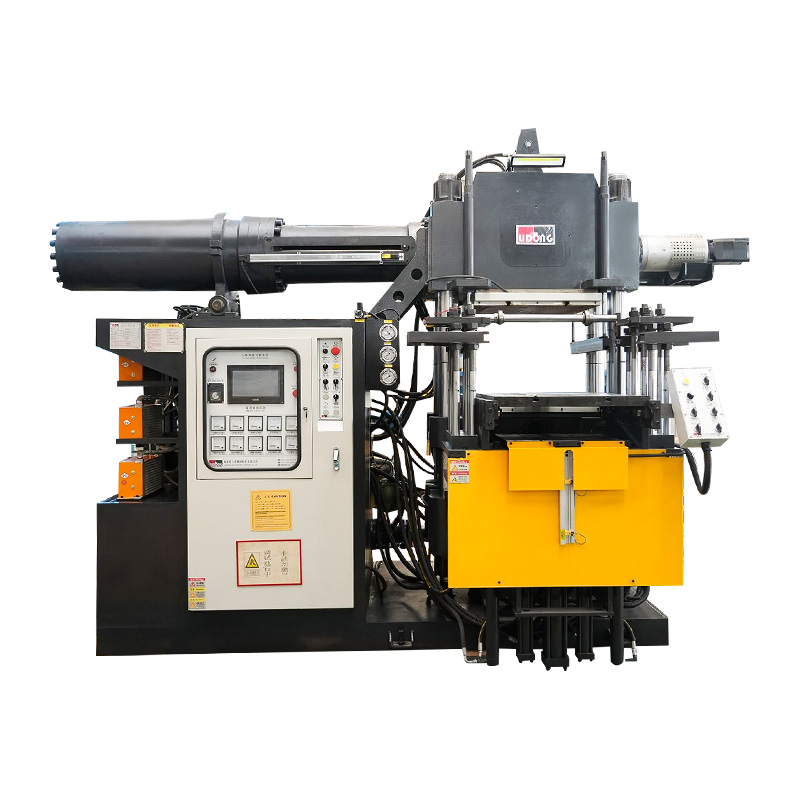
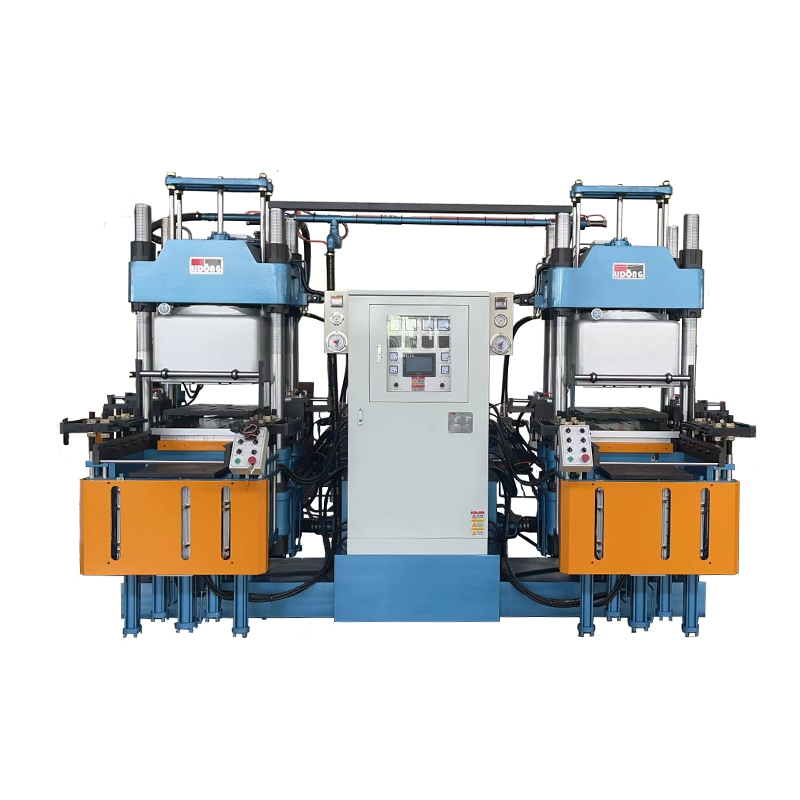
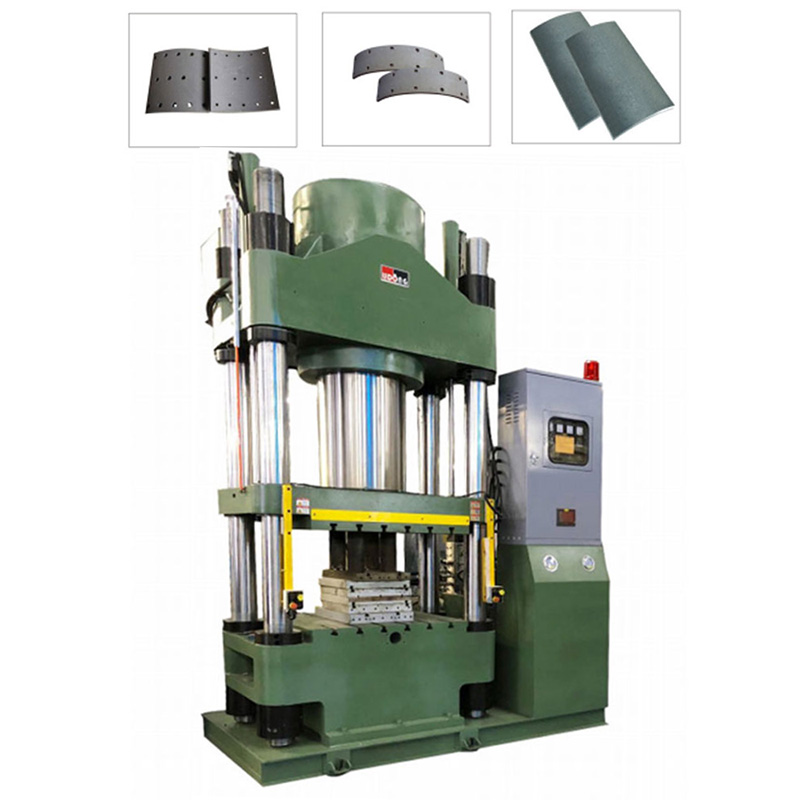
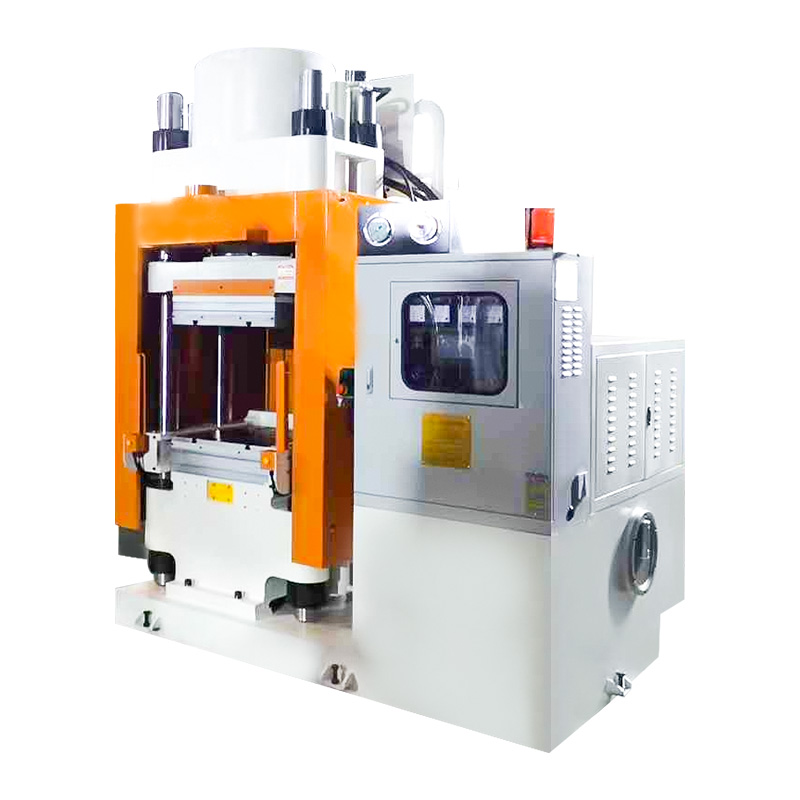
Technical Parameters
The table lists typical configurable values for equipment used in medical silicone molding. Final specifications depend on your part, material and cleanliness needs, and are confirmed in the technical agreement.
| Parameter | Typical Range | Relevance to Medical Parts |
|---|---|---|
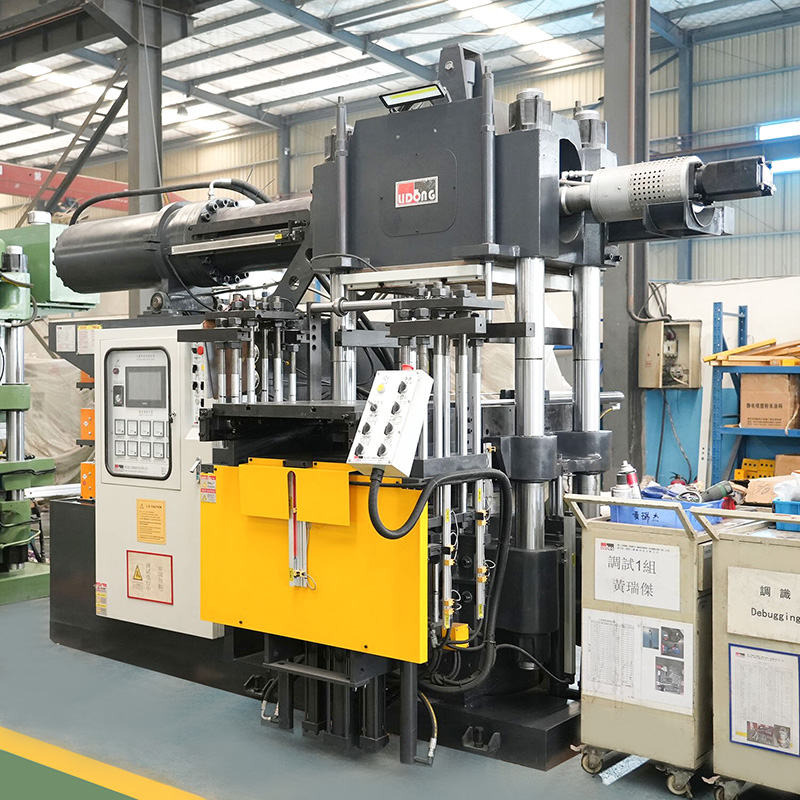
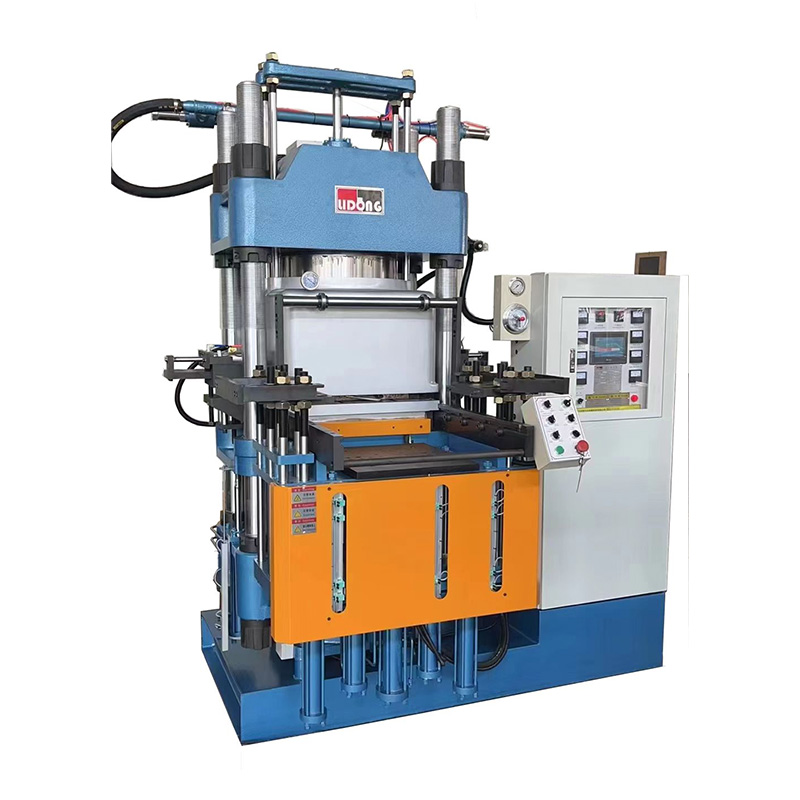
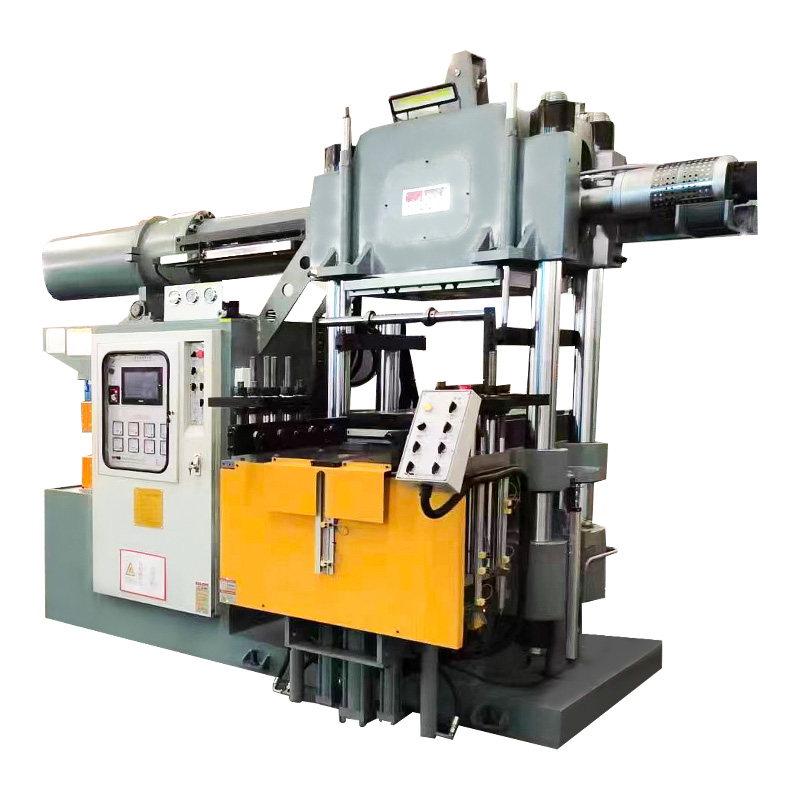
| Machine type | LSR injection machine, or press for solid silicone | Chosen by part design, volume and material |
| Clamping force | 30 - 300 tons | Small to medium force for small, precise parts |
| Shot volume | From a few cc to about 1000 cc | Small shots need fine plunger and sensor resolution |
| Shot repeatability | Position sensing with closed-loop control | Low part weight variation and less flash |
| Mold temperature | Up to about 200 degrees C | Even cure and stable hardness |
| Temperature uniformity | About plus or minus 2 degrees C | Consistent properties across cavities |
| Vacuum option | Mold or chamber vacuum | Reduces bubbles and short fill |
| Cold runner and valve gates | Cooled nozzle and runner block | Little or no runner waste, cleaner parts |
| Surface and lubrication | Stainless contact areas, suitable lubricants | Lower contamination risk |
| Control | PLC with touchscreen, recipe lock and data storage | Records and access control for each cycle |
How to read the table: for medical parts, shot repeatability, flash control and records matter more than top speed or the largest tonnage. Small, precise shots need fine sensors, and a flash-free mold needs a stiff, parallel clamp.
The second key point is cleanliness design. Hydraulic oil, lubricants, dust and metal particles can all become contamination sources, so the layout of the machine and the choice of materials in the molding area deserve attention. Please send your part drawing, silicone grade, cavity number, annual volume and cleanliness requirements, and we will recommend a machine and options.
Practical advice. State your cleanroom class or workshop condition at the inquiry stage. It affects the enclosure, the drive system and the materials used around the mold.
Special Focus: Cleanliness, Validation and Process Control
Medical buyers ask different questions from general rubber buyers. The table links the main concerns to what the equipment should offer.
| Concern | What It Means | What the Equipment Can Offer |
|---|---|---|
| Contamination risk | Oil, dust or particles reaching the part | Stainless contact surfaces, drip trays, enclosed molding area, careful lubricant choice |
| Repeatability | Every part has the same weight and dimensions | Closed-loop shot control, cushion monitoring, stable temperatures |
| Flash and defects | Burrs, bubbles and short shots | Parallel clamp, vacuum option, good venting |
| Records | Proof of how each batch was made | Recipe lock, alarm log, stored cycle data |
| Validation | Showing that the process is stable and under control | Calibrated sensors, documentation and support for tests |
| Material change | Switching grade without cross-contamination | Easy flushing and cleanable dosing and mixing lines |
Points that decide success:
- Machine drive type. Servo-hydraulic machines are widely used, and fully electric machines can reduce oil exposure in sensitive areas. We discuss the best option for your workshop.
- Cold runner mold. It reduces waste and reduces the number of steps after molding, such as removing runners by hand.
- Automatic part removal. A robot or gentle ejection reduces contact with hands and limits contamination.
- Inspection and sorting. Vision checks or weight checks are separate stations and can be connected to the machine signal.
- Post-cure. Many medical silicone parts need post-curing in a controlled oven, which is a separate process.
Medical regulations apply to your product, your quality system and your factory. They do not apply to a machine alone, and we do not offer a medical certificate for the machine. What we can do is give you a stable, documented and clean-design machine to build your own validation on.
Honest advice. If your part does not need this level of control, such as a general baby product, a simpler machine may be enough. We would rather recommend the right size than sell more than you need.
Automation and Control System
Medical production lives on repeatability and records, so the control system must hold every setting steady and show what happened in each cycle.
- Closed-loop injection control: position-based shot measurement, speed and pressure profiles and cushion monitoring keep the shot volume steady.
- Recipe storage and lock: every setting is saved for each mold and silicone grade, and access to change it can be limited by password level.
- Alarm and event log: faults, setting changes and out-of-limit cycles are recorded with time stamps.
- Cycle data storage: temperature, pressure, shot position, cushion and cycle time can be stored and exported, if you permit it.
- Dosing and mixing link: ratio, flow and color dosing are coordinated with injection, and a ratio alarm warns when it moves out of limits.
- Part handling interface: signals for robots, conveyors, vision stations and reject gates can be prepared.
Out-of-limit handling: cycles that leave the set window can be flagged, and the related parts can be sorted to a reject bin by the handling system. This supports your own quality routines.
The control can be connected to a factory network or manufacturing data system if required. Please tell us your requirements early, since interface design affects the electrical layout.
Operator view. The touchscreen shows the active recipe, temperature of each zone, shot position, cushion and plain-language alarms. An English manual and training material are provided, and remote support is available when your engineer needs advice.
Access levels. Operators, technicians and quality staff can be given different password levels, so only authorized people can change a recipe, and each change is stored in the log. This is a simple way to support the document control that medical customers expect.
Structure and Materials
For medical parts, the structure of the machine must protect accuracy and limit contamination sources. The table shows the main design points.
| Component | Design and Material | Purpose |
|---|---|---|
| Clamping unit | Stiff frame, precisely ground platens | Parallel closing, flash-free parts |
| Injection unit | Hardened parts with fine position sensing | Accurate small shots |
| Contact surfaces | Stainless steel or protected surfaces in the molding area | Easier cleaning and lower contamination risk |
| Drive system | Servo-hydraulic, or electric on request | Smooth control, lower oil exposure |
| Drip trays and covers | Stainless, removable | Catch oil, dust and release agent |
| Cold runner system | Cooled nozzle, valve gate option | Little waste and clean gate |
| Dosing and mixing lines | Compatible hoses, cleanable, quick-release | Quick, clean material change |
Detail that matters: lubricants, hoses, seals and paints should be chosen with the end use in mind. Where parts are made in controlled areas, we can discuss which materials and surface treatments reduce particles and which lubricants suit the workshop.
An enclosure around the mold area, with filtered air supply where needed, helps keep the molding zone clean. Whether you need it depends on the product and on your workshop. Please share your cleanliness plan at the inquiry stage.
Maintenance. Clean covers and trays on a fixed schedule, check seals and hoses for leaks, replace filters as recommended and verify sensors against reference instruments. For dosing units, follow the flush and mixer replacement plan strictly.
Before shipment, each machine is run under load with a test mold, and shot repeatability, temperature control and safety functions are checked.
Calibration points. Temperature sensors, pressure transducers and the position sensor should be checked at planned intervals against reference instruments, and the results should be filed. We mark the sensor positions on the drawing, so the calibration routine is easy to repeat by your own technician.
Safety and Energy Efficiency
Medical production runs under strict routines, but the machine still combines heat, pressure and moving parts, so safety design remains essential.
- Safety doors or light curtains at the mold area, interlocked with clamp and injection movements
- Emergency stops at the operator position and at the rear of the machine
- Hydraulic overpressure protection with relief valves and pressure sensors
- Independent over-temperature protection on barrel and platen zones
- Cooled nozzle guards and warning labels on hot areas
- Safe response to sensor faults, with a controlled stop and a clear message
Handling advice: follow the silicone supplier's safety data sheets, and wear gloves and clothing suitable both for heat protection and for your cleanliness rules. Provide local ventilation above the mold area and near post-cure ovens, since curing can release vapors.
Energy efficiency: servo or electric drives use power mainly while the machine moves, and good insulation on platens lowers heat loss. A cold runner mold saves expensive silicone, which is usually the largest cost, and stable shots reduce rejected parts and the energy lost on them.
Tell us your working hours and local power price, and we will compare options in the quotation.
Training and records. Keep a log of safety checks, sensor calibration and maintenance. A monthly test of emergency stops, doors and over-temperature cut-offs takes little time and keeps the machine dependable. We provide an English checklist that you can adapt to your own procedures.
Housekeeping and waste. Keep the floor and the covers around the machine clean, collect purge material and rejected parts in labeled bins and remove them regularly. Store release agents and cleaning solvents away from hot surfaces, and follow your own cleanliness rules together with the supplier's safety data sheets.