
 English
 عربى
 中文繁体

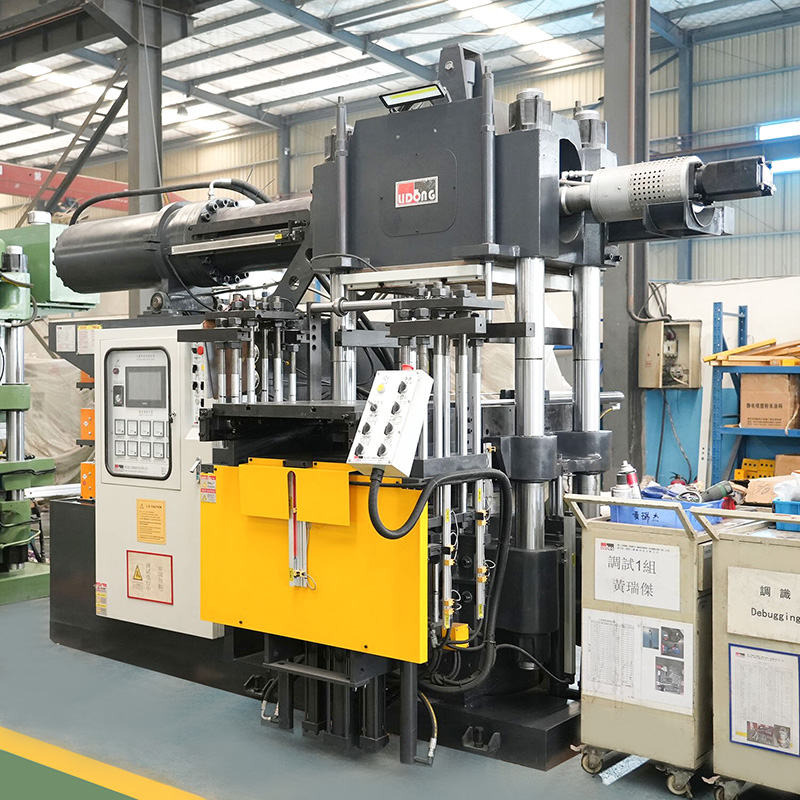
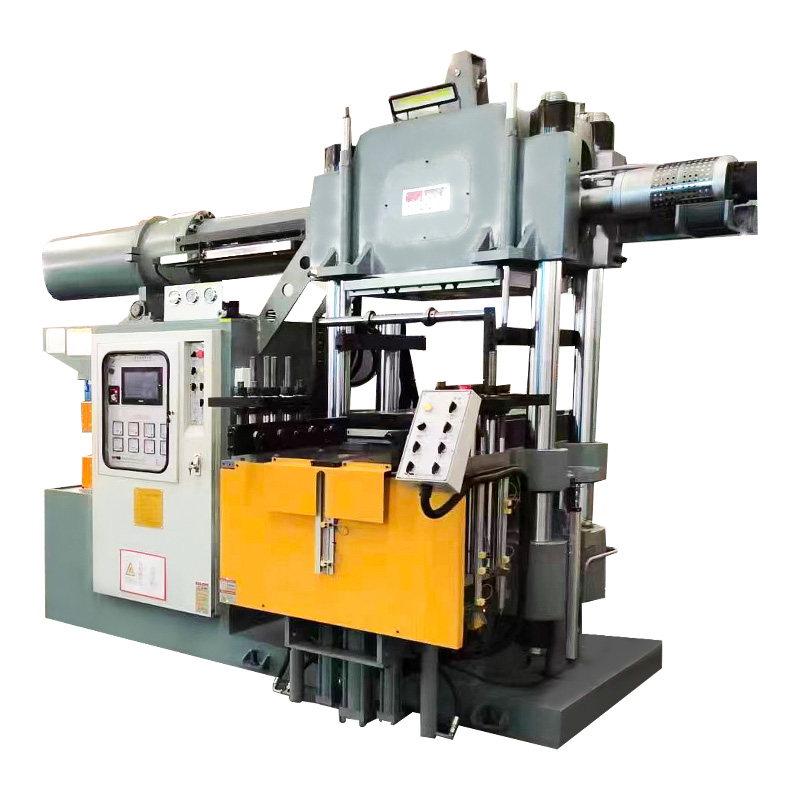
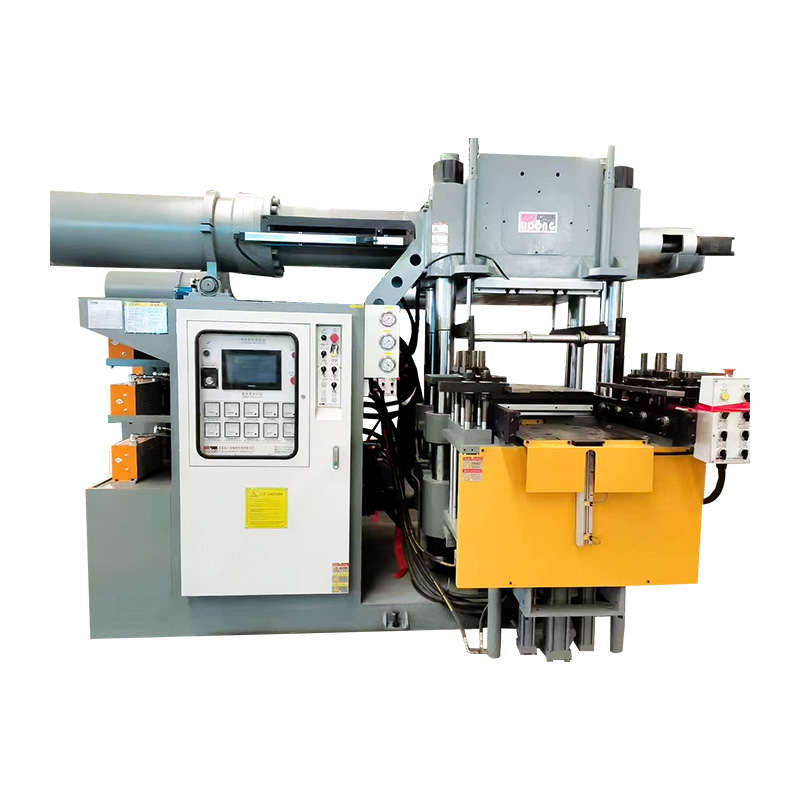
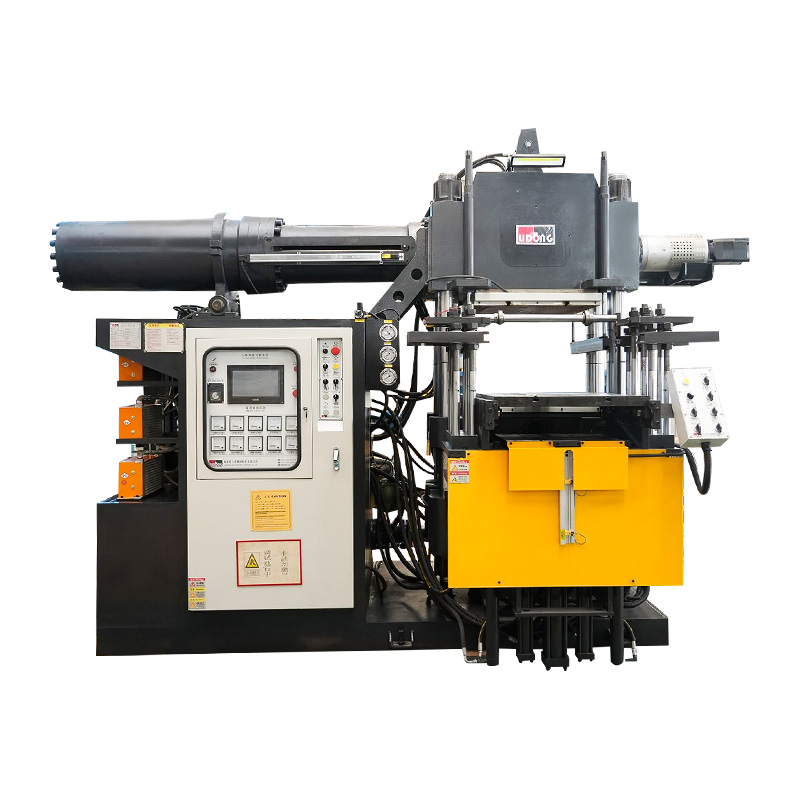
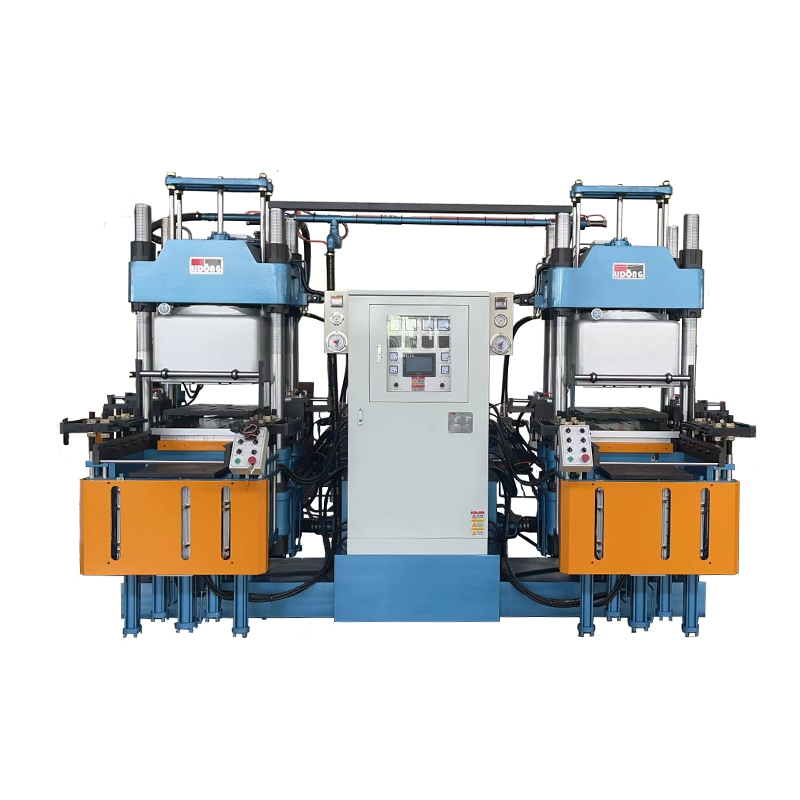
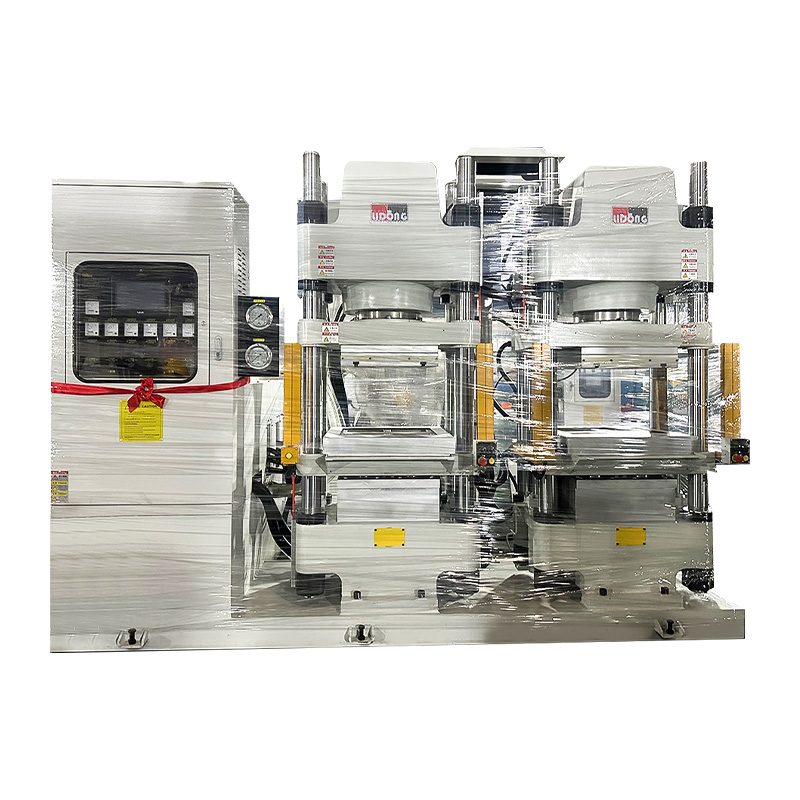
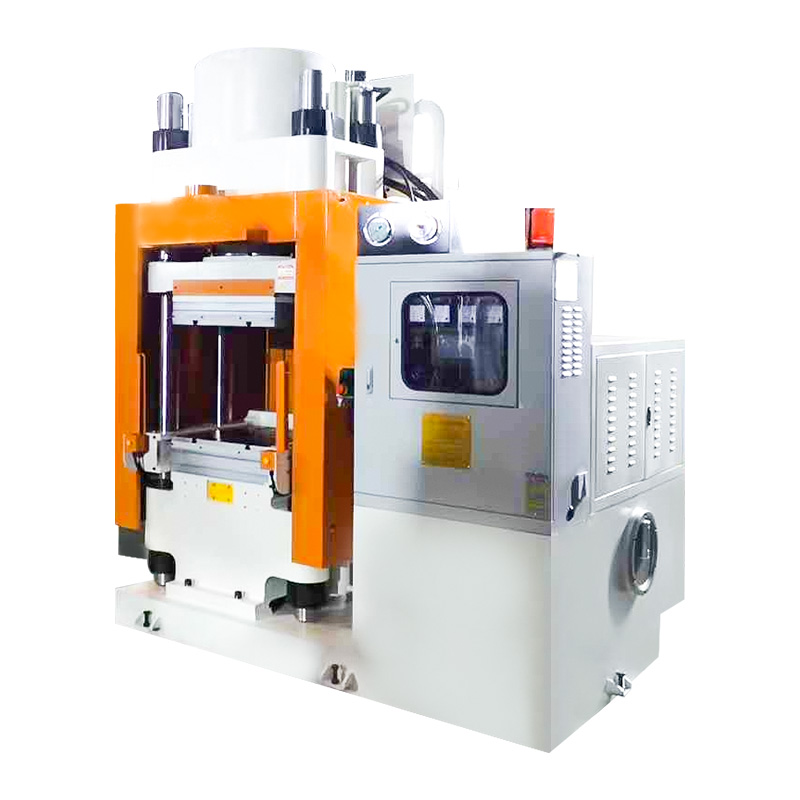
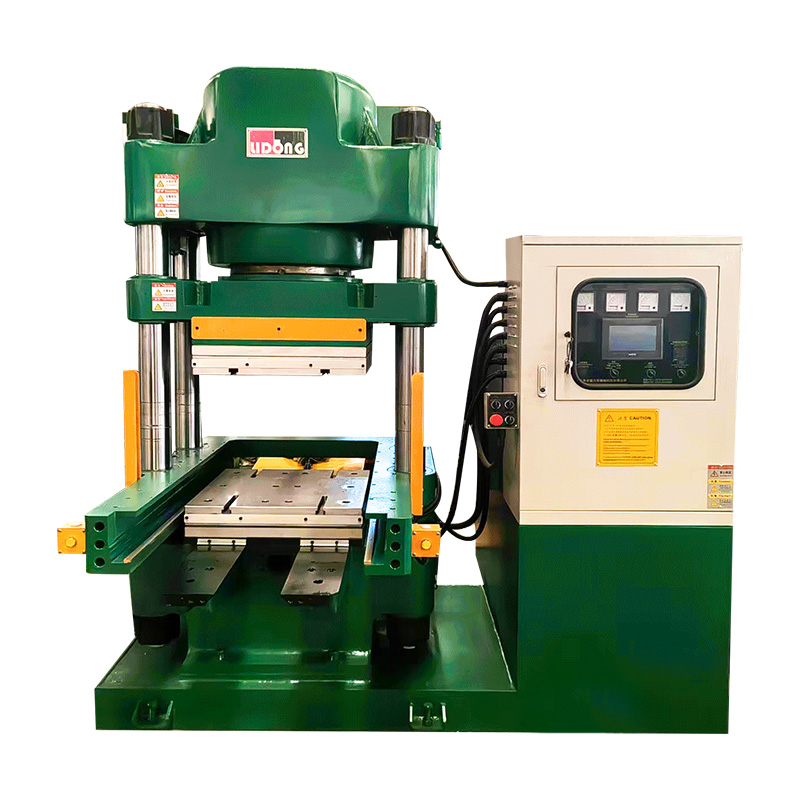
Technical Parameters
The table lists typical configurable values for silicone molding equipment. Because silicone parts and routes differ widely, final specifications are agreed in the technical agreement after we review your drawing.
| Parameter | Typical Range | Relevance to Silicone Parts |
|---|---|---|
| Clamping force | 50 - 500 tons | Based on projected area and injection pressure |
| Platen size | About 300 x 300 mm to 900 x 900 mm | Fits single or multi-cavity molds |
| Mold temperature | Up to about 200 degrees C, higher on request | Silicone often cures at a higher temperature than other rubbers |
| Temperature uniformity | About plus or minus 2 degrees C | Even cure and consistent hardness |
| Vacuum option | Chamber type, about -0.095 MPa and below | Reduces bubbles in solid silicone and thick parts |
| Shot volume (injection) | From a few cc to about 3000 cc | Match to part weight and cavity number |
| Material form | Solid silicone (HCR) or liquid silicone (LSR) | Decides the machine type |
| Mold cooling (LSR) | Cold runner with cooled nozzle | Keeps liquid silicone from curing before the cavity |
| Control | PLC with touchscreen and recipe memory | One recipe for each mold and material |
How to read the table: the most important choice is the material form. Solid silicone and LSR need different machines, and a unit built for one cannot simply run the other. Mold temperature and vacuum come next, because they decide cure quality and bubble control.
Please send the part drawing or sample, the silicone type and hardness, the cavity number and your output target. With these, we can recommend the machine type, platen size and options. A small trial can also help to confirm the process before you commit to a large order.
Practical advice. Decide early whether you may later change from solid silicone to LSR, or add medical or food-related parts. It affects the frame, the cleanliness design and the control, and it is easier to prepare in advance.
Special Focus: Choosing the Right Silicone Molding Route
The table compares the three common routes. The best choice depends on volume, part shape and quality needs.
| Route | Material and Machine | Strength | Consideration |
|---|---|---|---|
| Compression molding | Solid silicone, hydraulic curing press | Low tooling and equipment cost, flexible | More manual loading and trimming |
| Solid silicone injection | Strip silicone, rubber injection machine | Good consistency, shorter cycles | Higher equipment cost, needs cooled feed |
| LSR injection | Two-part liquid, dosing and mixing unit | High output, little waste, suits complex and small parts | Highest investment and precise mold needed |
Points that decide quality:
- Flash control. Silicone can flow into extremely small gaps, so mold fit, clamp parallelism and sufficient clamping force are essential.
- Bubbles and air. Vacuum assistance and correct venting reduce trapped air, especially in thick sections.
- Cure temperature. Even mold temperature gives a uniform hardness and avoids soft spots.
- Post-cure. Many peroxide-cured silicone parts need post-cure in an oven. This is a separate process and must be planned in the line capacity.
- Cleanliness. Medical, food-contact and baby products need clean production practice, and the machine design should help avoid contamination.
Specific topics, such as dosing and mixing of liquid silicone, kitchenware molding and medical silicone parts, have their own tag pages with more detail. We will also tell you plainly when a part is better made by another process.
Volume thinking. Compression often suits low and medium volumes and many product variants. LSR injection usually pays back when volume is high, parts are small or complex and automation is planned.
Mold temperature note. Silicone parts are often cured at a higher mold temperature than other rubbers, and the heat must be even. Ask any supplier for a platen temperature map, and check the mold itself with an independent surface thermometer, since the mold surface is what the silicone actually sees.
Automation and Control System
Silicone molding needs accurate temperature, timing and, for LSR, accurate dosing. The control system should make these steps repeatable from the first shift to the last.
- Recipe storage: temperature, pressure steps, cure time, shot size and vacuum settings are saved for each mold and material.
- Zoned temperature control: separate sensors and outputs keep mold and platen temperatures tight, and for LSR, keep the cold runner cool while the cavity stays hot.
- Vacuum sequence (optional): pump-down, hold and release are timed, with a sensor confirming the condition.
- Dosing and mixing link (LSR): ratio, volume and flow are coordinated with injection, and alarms appear if the ratio drifts.
- Automatic open and part removal: ejection, air blow or a robot can take parts out and help prevent contact marks on soft parts.
- Alarms and records: faults are displayed in plain language, and cycle data can be stored.
Integration: silicone lines often combine a press or injection machine with deflashing, inspection, post-cure and packing. We can prepare interfaces for these stations. For compression presses, an automatic mold loading and unloading unit can be added when volume grows.
Operator view. The touchscreen shows the active recipe, temperatures, vacuum level and the step in progress. Passwords protect settings, and an English manual and training material are provided. Remote support helps your technician when a new mold is started.
Changeover tip. Name each recipe after the mold number and silicone grade, so any operator can recall the right settings quickly. For LSR, record the mixing ratio and flush routine in the same sheet, and keep a printed copy near the machine. Locking the recipe by password prevents accidental changes between shifts and helps new staff in the first weeks.
Structure and Materials
Silicone molding puts special demands on flatness, heat distribution and cleanliness. The structure of the machine is designed around these points.
| Component | Design and Material | Purpose |
|---|---|---|
| Frame | Welded steel, stress relieved | Rigid base for parallel platen closing |
| Platens | Alloy steel, ground flat, zoned heating | Even heat and tight mold faces to limit flash |
| Heating | Electric rods or oil, with PID control | Stable mold temperature at higher settings |
| Vacuum enclosure (optional) | Welded steel with heat-resistant seals | Holds vacuum during heat cycles |
| Injection unit | Hardened parts, cooled feed for solid silicone | Keeps silicone from curing before injection |
| Dosing and mixing unit (LSR) | Pumps, static mixer and cleanable lines | Accurate two-part ratio and quick material change |
| Insulation | Boards and shields | Reduces heat loss and protects seals and sensors |
Why flatness matters: a platen pair that is even slightly out of parallel leaves a gap, and silicone fills a gap that small. We check platen flatness and parallelism at the factory and share the measurements. We also recommend a periodic recheck.
Cleanliness: for medical, food-contact or baby products, we can discuss stainless contact surfaces, enclosed lines and lubricants that suit your hygiene needs. Please share these requirements at the inquiry stage, since they change the material and design choices.
Maintenance. Clean platens and molds regularly with suitable non-scratching tools, check seals and vacuum fittings, and keep guides lubricated. For LSR, flush and clean mixing parts according to the manual when changing material. Seals are wear parts, so spare sets are supplied.
Before shipment, each machine is run under load with a test mold, and temperature, pressure holding and safety functions are checked.
Safety and Energy Efficiency
Silicone curing uses higher temperatures than many other rubbers, and some routes also use vacuum and chemical components, so safety needs careful attention.
- Safety doors or light curtains at the mold area, interlocked with mold movement and injection
- Emergency stops at the operator position and at the loading side
- Hydraulic overpressure protection with relief valves and monitored sensors
- Independent over-temperature protection on each heating zone
- Vacuum chamber interlock so the chamber cannot open until pressure equalizes, where used
- Insulated surfaces and warning labels on hot parts and on the cooled nozzle area
Handling advice: use lifting aids for molds, and wear heat-resistant gloves and protective clothing. Peroxide-cured silicone may release vapors during curing and post-cure, so provide local ventilation above the press and near the oven. For LSR, follow the material supplier's safety data sheets, store components in labeled containers and keep them away from heat sources.
Energy efficiency: good insulation and PID control reduce heat use. Variable-speed hydraulics use power mainly while the machine moves, which helps because holding stages are long. A stand-by temperature function saves energy during breaks, and a vacuum chamber sized close to the mold needs less pumping and heating. Cold runner LSR molds also save material, which is often the largest cost.
Tell us your working hours and local power price, and we will compare options in the quotation.
Training and records. Keep a simple log of safety checks, vacuum leak tests, oil changes and, for LSR, mixer cleaning. A monthly test of emergency stops, doors and over-temperature cut-offs takes little time and keeps the machine dependable. We provide an English checklist that you can adapt to your own safety procedures when training new operators.







