English
 عربى
 中文繁体
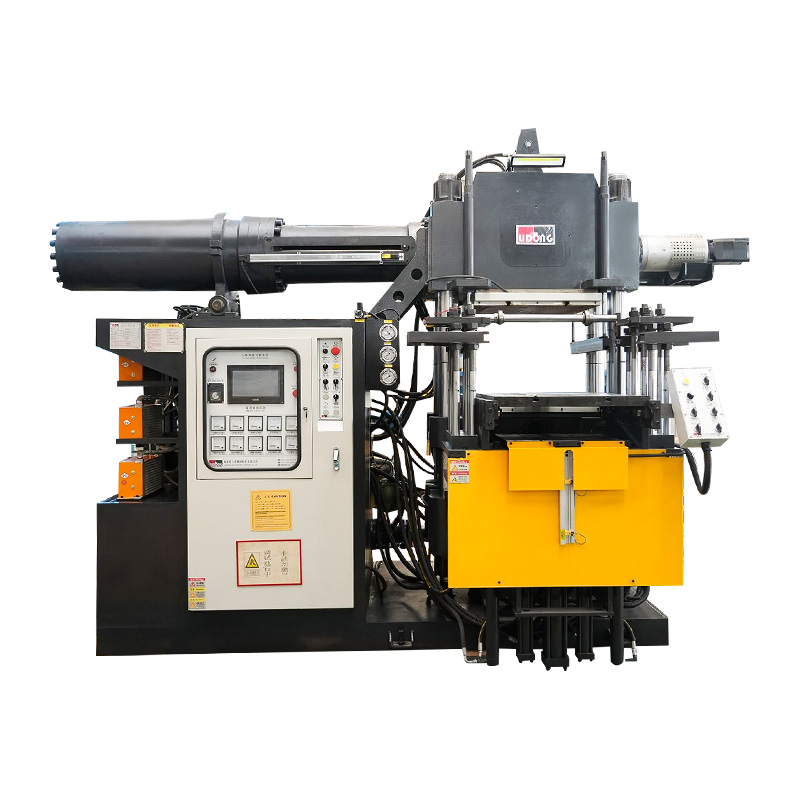
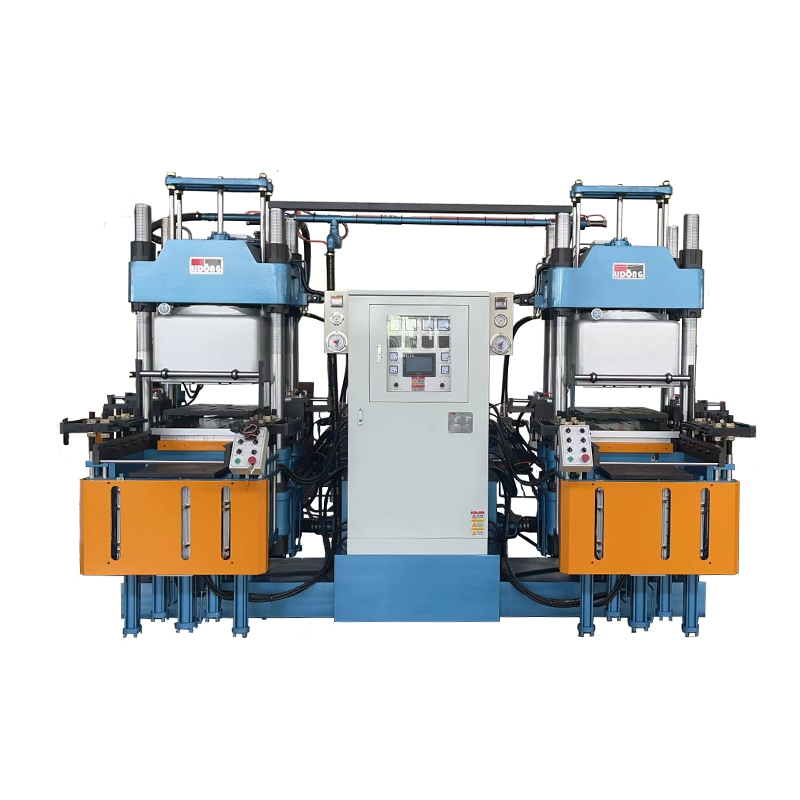
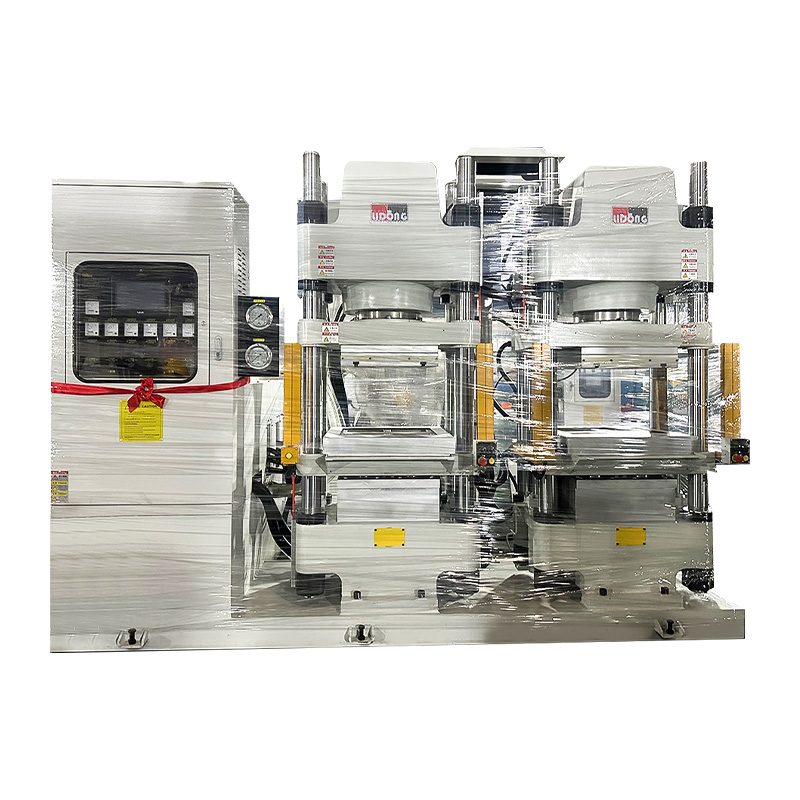
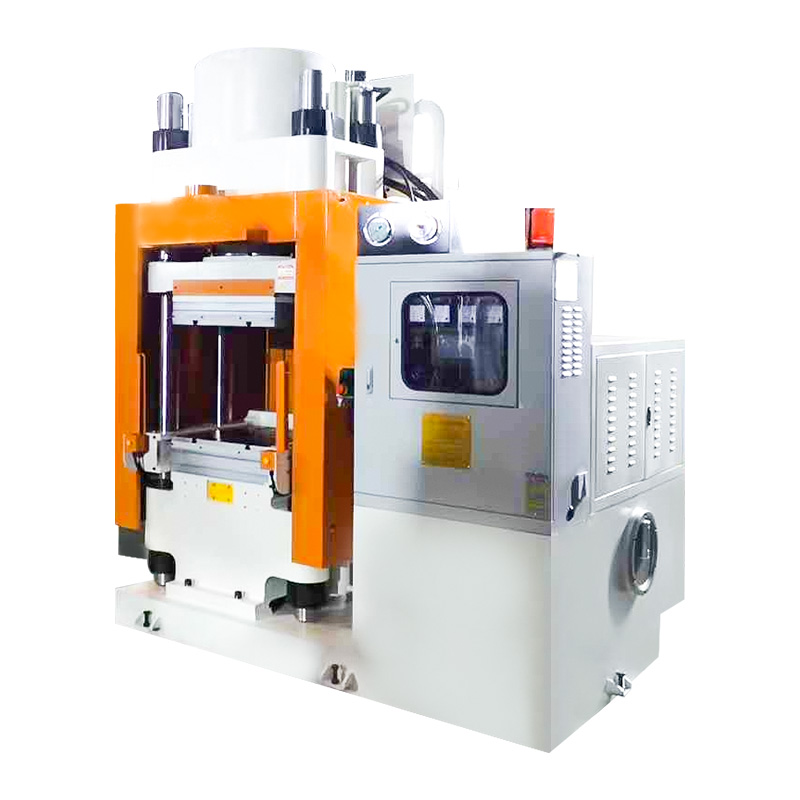
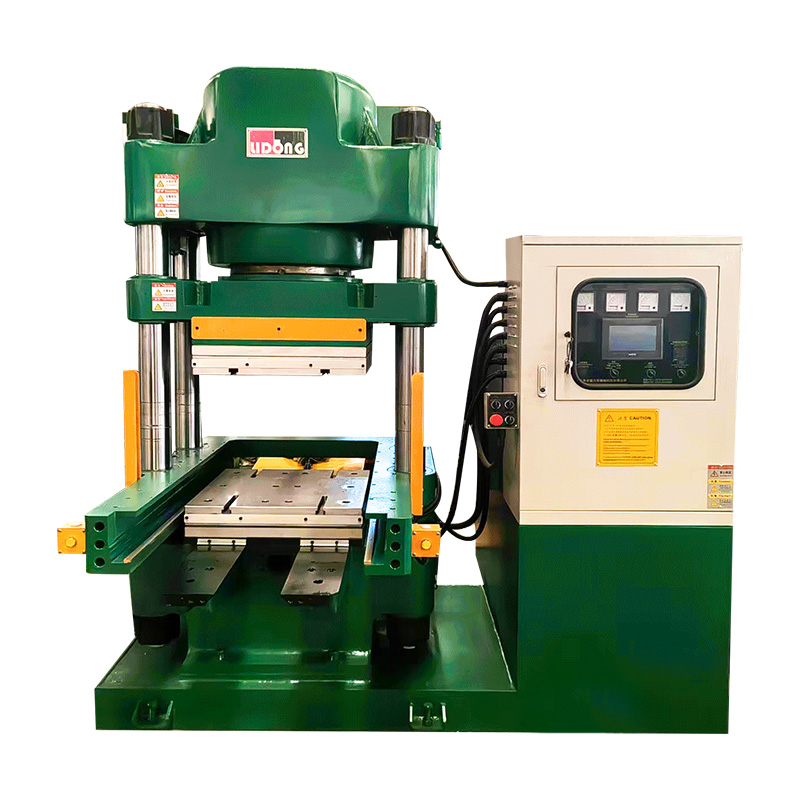
Technical Parameters
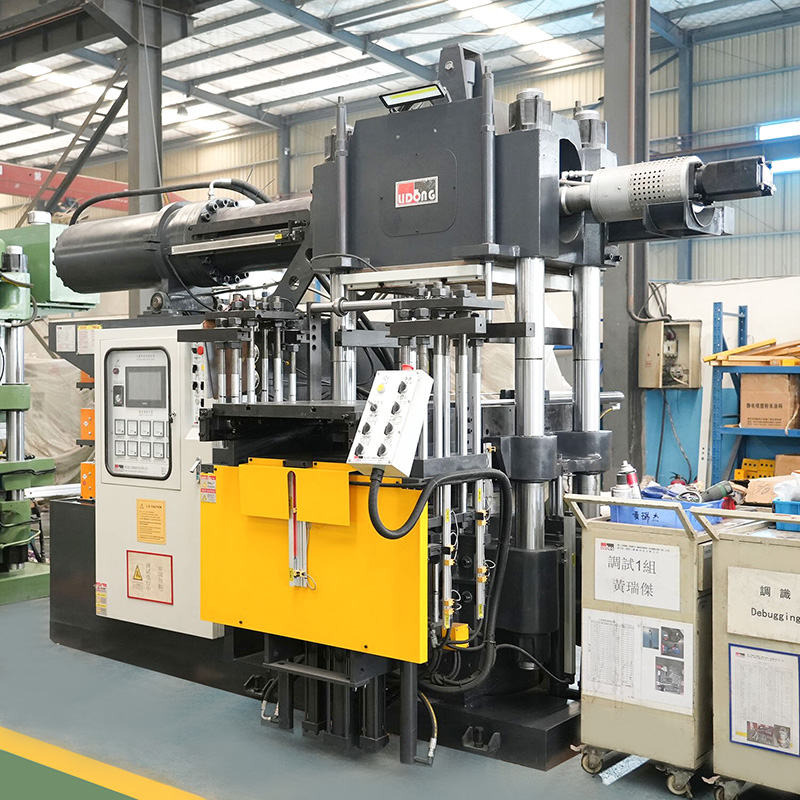
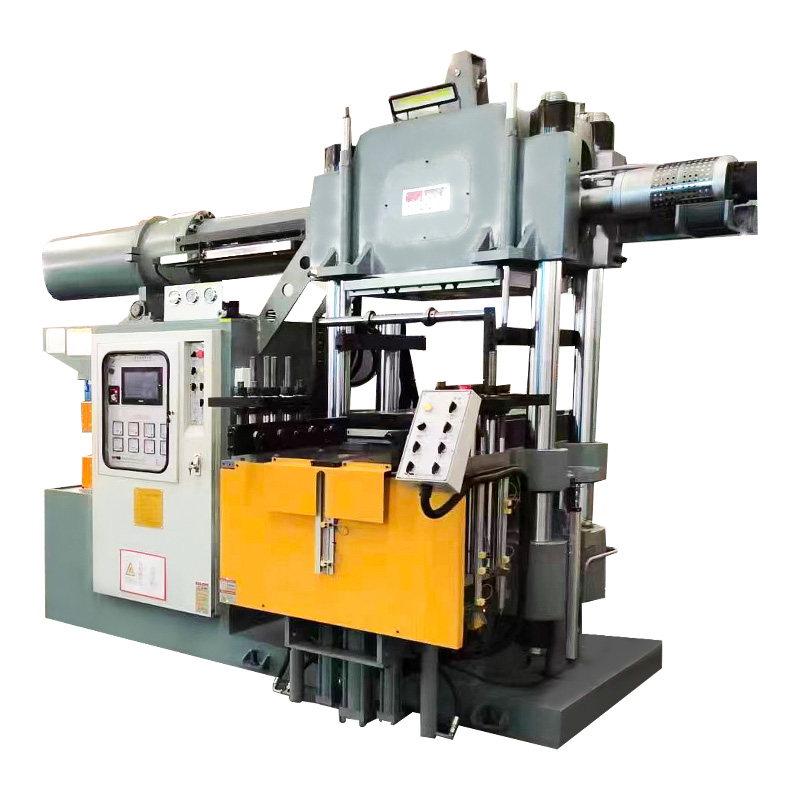
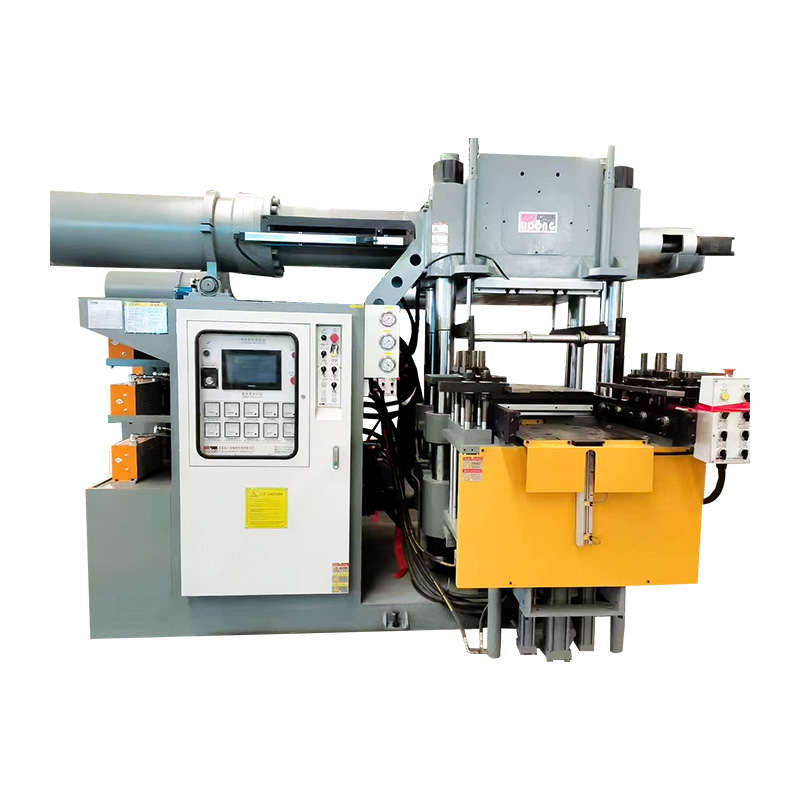
The table lists typical configurable values for presses and machines used in silicone kitchenware. Product sizes vary widely, so final specifications are confirmed in the technical agreement after we review your molds.
| Parameter | Typical Range | Relevance to Kitchenware |
|---|---|---|
| Clamping force | 50 - 400 tons | Based on projected area of the molds |
| Platen size | About 500 x 500 mm to 1000 x 1000 mm | Large platens suit baking molds and mats |
| Daylights | 1 - 6 layers | More layers raise output for short-cure thin products |
| Platen temperature | Up to about 200 degrees C, higher on request | Silicone often cures at higher settings |
| Temperature uniformity | About plus or minus 2 degrees C | Even cure and uniform hardness across the platen |
| Vacuum option | Chamber type, about -0.095 MPa and below | Reduces bubbles in thick products |
| Mold handling | Slide-out tables, loading frames or shuttle | Quick loading and safe handling |
| LSR injection option | Injection machine with dosing and mixing unit | For small, complex or high-volume items |
| Control | PLC with touchscreen and recipe memory | One recipe per product and silicone grade |
How to read the table: in kitchenware, platen size, number of layers and temperature uniformity matter most. A large, even platen lets you place several molds at once, and several layers multiply output without needing more floor space.
Uneven heat is a common cause of soft spots, uneven hardness and cosmetic differences between molds on the same platen. Please send your mold sizes, the number of molds you want per layer, the silicone grade and your daily output target. We will recommend a platen size and layer number that fit your products.
Practical advice. Do not buy a press only for today's mold. Think about the larger baking trays or mats you may add next year, and leave a margin in platen size and tonnage.
Special Focus: Output, Surface Quality and Food Safety Practice
Kitchenware factories usually compete on cost per piece and appearance. The table shows common problems and what helps in the press.
| Common Problem | Likely Cause | What Helps |
|---|---|---|
| Bubbles on the surface | Trapped air or moisture in the silicone | Breathing steps, vacuum option, dry material |
| Flash and thin skins | Platens not parallel or worn molds | Parallel closing, enough tonnage, mold repair |
| Soft or sticky spots | Uneven heat or short cure | Zoned heating, temperature map, correct cure time |
| Color differences | Uneven temperature or pigment mixing | Even heat and good mixing before molding |
| Odor in finished goods | Residue from peroxide curing, short post-cure | Proper post-cure and good ventilation |
| Low output | Slow loading, few layers | More layers, mold carts or shuttle systems |
Points to consider when choosing equipment:
- Multi-layer design. Thin kitchenware cures quickly, so loading time can limit output. More layers and good handling give a clear gain.
- Post-cure oven. Many peroxide-cured products need oven post-cure, often for several hours, to reduce odor and volatile residues. This is separate equipment and must be planned in the line.
- Insert products. Spatulas and brushes with cores need a mold that holds the insert correctly, and the press must close evenly without moving it.
- Food contact material. The silicone must be a food-grade grade approved for your market. This is a material decision, and the press cannot replace it.
Our own medical and LSR related pages cover liquid silicone and cleaner production in more detail. We will tell you if your products are better suited to injection than to compression.
Cost thinking. For simple items and many designs, compression is usually the lowest-cost route. For large volumes of the same product, LSR injection reduces labor and trimming and can pay back faster.
Automation and Control System
Kitchenware lines run many molds and often several shifts, so the control should be simple, quick to set and hard to misuse.
- Recipe memory: temperature, pressure steps, cure time and vacuum settings are stored for each product.
- Breathing function: programmable open-and-close steps release air and moisture early in the cure.
- Automatic cure timer and auto-open: the press opens at the end of the cure, so products are not over-cured when the operator is busy.
- Zoned temperature control: separate sensors and outputs keep platen temperature even and reduce soft spots.
- Vacuum sequence (optional): pump-down, hold and release are timed by the PLC, with a sensor confirming the level.
- Alarm display and counter: faults are shown clearly, and a cycle counter helps supervisors track output per shift.
Handling and automation: large baking molds and mats are awkward to load by hand. Slide-out tables, mold carts or loading frames speed the work and protect operators. For higher volume, a shuttle system or automatic mold loading and unloading can be added in stages. For LSR items, an injection machine can be linked to a dosing and mixing unit and to a robot for part removal.
Operator view. The touchscreen shows the recipe, platen temperatures and cure time remaining. Passwords protect settings. An English manual and training material are provided, and remote support is available.
Changeover tip. Name each recipe after the mold number and silicone grade, so any operator can recall the right settings quickly. Keep a printed sheet of proven cure times and breathing steps near the press, so that new staff start from tested values, and lock the recipes by password to prevent accidental changes between shifts.
Structure and Materials
Kitchenware presses run for long hours on thin, light products, so heat distribution and handling matter more than raw force.
| Component | Design and Material | Purpose |
|---|---|---|
| Press frame | Welded steel, stress relieved | Rigid base that keeps platens parallel |
| Platens | Alloy steel, ground flat, zoned heating | Even heat across the large surface |
| Heating | Electric rods or oil, with PID control | Stable temperature at higher settings |
| Insulation | Boards on platens and sides | Lower heat loss and safer outer surfaces |
| Guide system | Wear-resistant guides, adjustable | Even closing for flash-free parts |
| Cylinders | Quality seals, well placed | Smooth and uniform pressure |
| Vacuum enclosure (optional) | Welded steel with heat-resistant seals | Holds vacuum during heating |
Large platens need extra care. A big platen heats and loses heat unevenly if it is not insulated and zoned correctly, and a weak frame bends a little under load, which makes one side of a baking mold thicker than the other. We use stiff frames, additional heating zones and insulation, and we check temperature across the platen at the factory.
For humid workshops or high-volume sites that use a lot of release agent, surface protection of platens and guides can be adapted. For food-related products, we can discuss materials and lubricants that keep contamination risk low. Please share your requirements at the inquiry stage.
Maintenance. Clean platens regularly with non-scratching tools, since silicone residue and release agent insulate the surface and create cold spots. Keep guides lubricated and check cylinder seals and vacuum fittings. Seals are wear parts, so spare sets are supplied.
Before shipment, each press is run under load, and temperature, pressure holding and safety functions are checked.
Safety and Energy Efficiency
Kitchenware factories have many workers handling hot molds all day, so safety design and good habits reduce burns and strain.
- Emergency stop at the operator position and at the loading side
- Light curtain or guard doors connected to the PLC
- Hydraulic overpressure protection with a relief valve and pressure monitoring
- Independent over-temperature protection on each heating zone
- Insulated surfaces and warning labels on hot parts
- Vacuum chamber interlock on vacuum models, so it cannot open until pressure equalizes
Handling advice: use slide-out tables, mold carts and lifting aids for large molds, and wear heat-resistant gloves and sleeves. Peroxide-cured silicone releases vapors during curing and post-cure, so use local ventilation above the press and near the oven. Keep release agents and cleaning solvents away from hot surfaces.
Energy efficiency: good insulation and PID control keep heating costs low. A multi-layer press produces more pieces per kilowatt-hour than several single-layer presses, since the heated mass is shared. A variable-speed hydraulic system uses power mainly while the press moves, and a stand-by temperature function saves energy during breaks. Fewer rejected products also save silicone, which is often the largest cost.
Tell us your working hours and local power price, and we will compare options in the quotation.
Training and records. Keep a simple log of safety checks and oil changes. A monthly test of the emergency stop, light curtain and over-temperature cut-off takes little time and keeps the press dependable.
Fume and housekeeping. Keep the floor around the press tidy, collect flash and trimmings in a bin and remove them regularly. Store release agents in labeled containers away from hot surfaces, and follow the supplier's safety data sheets. A tidy, well-ventilated workshop lowers the risk of slips, burns and unpleasant odors during long shifts.