
 English
 عربى
 中文繁体

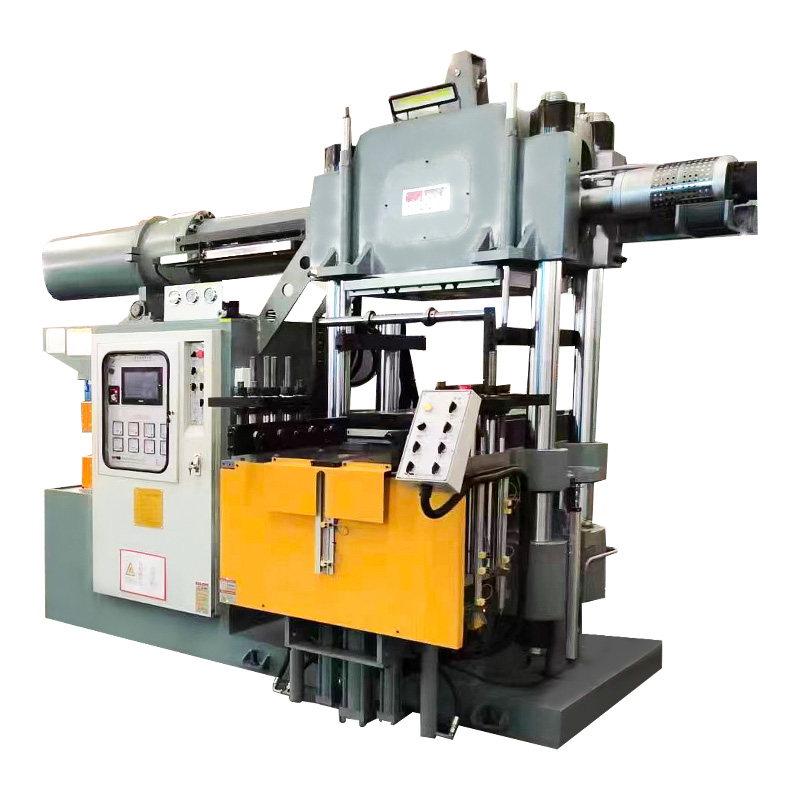
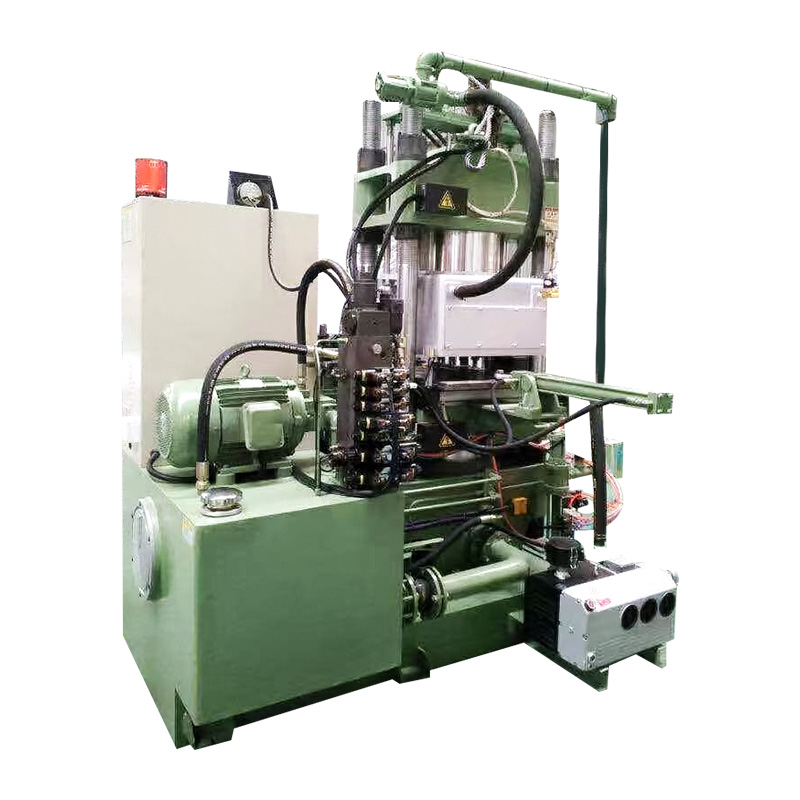
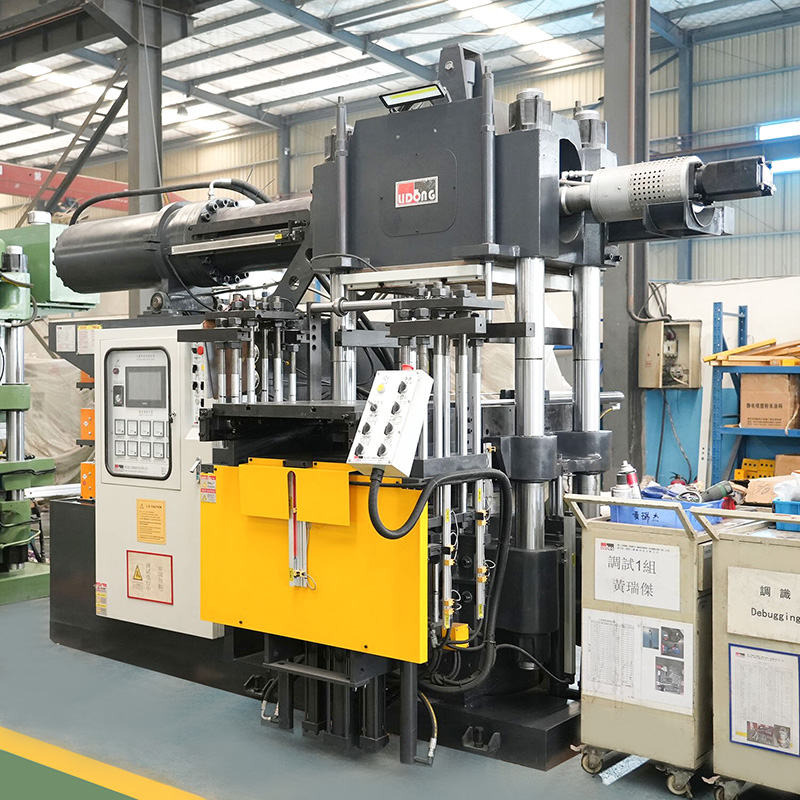
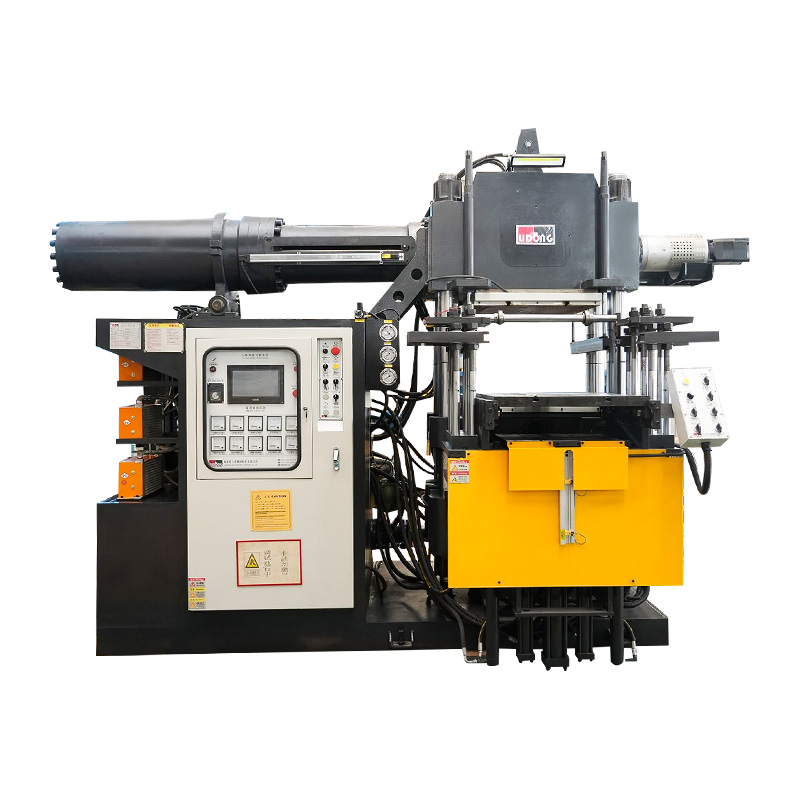
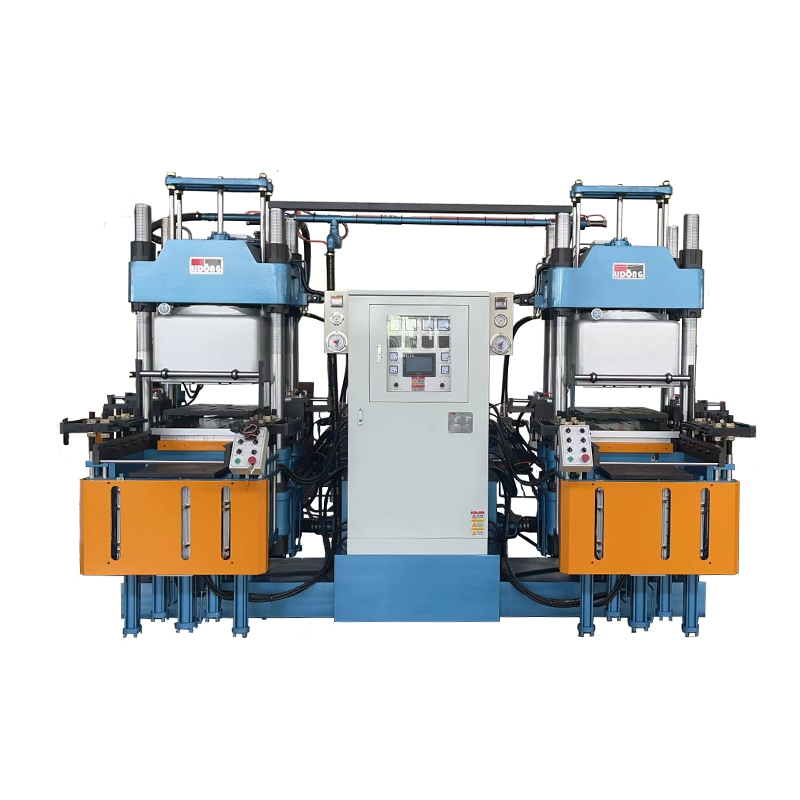
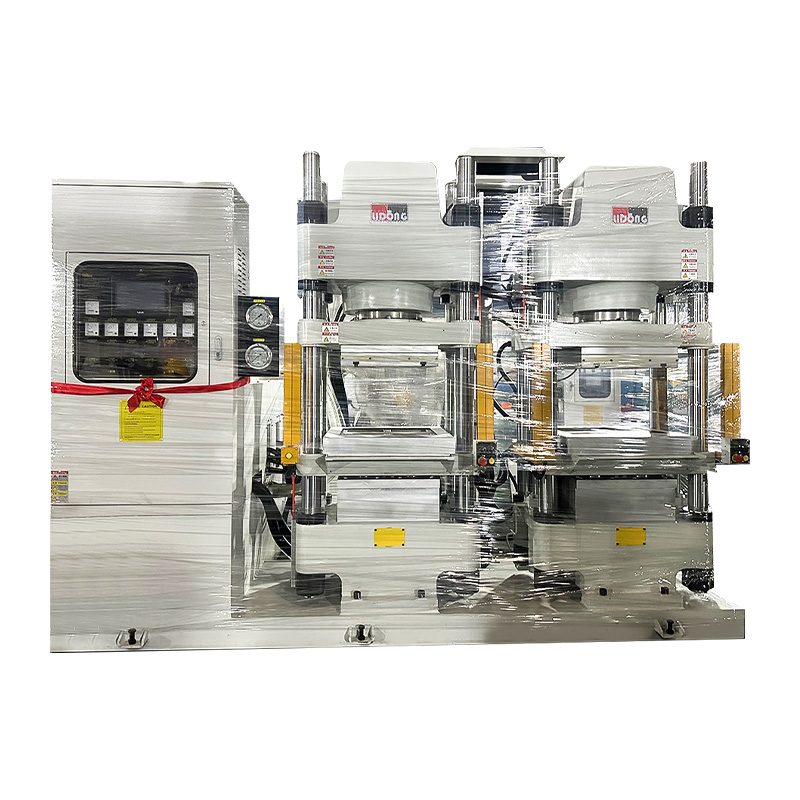
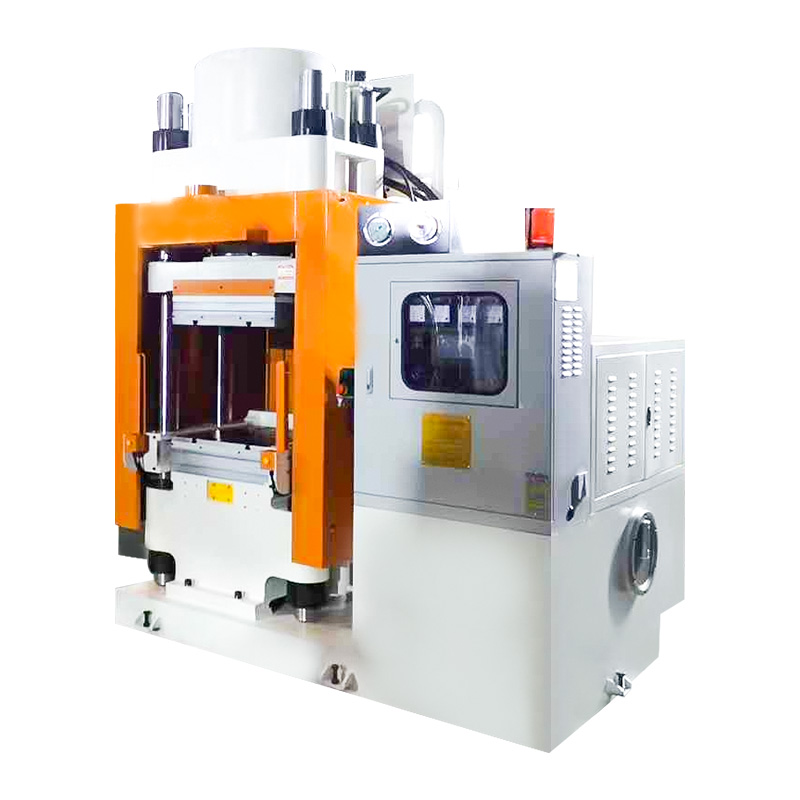
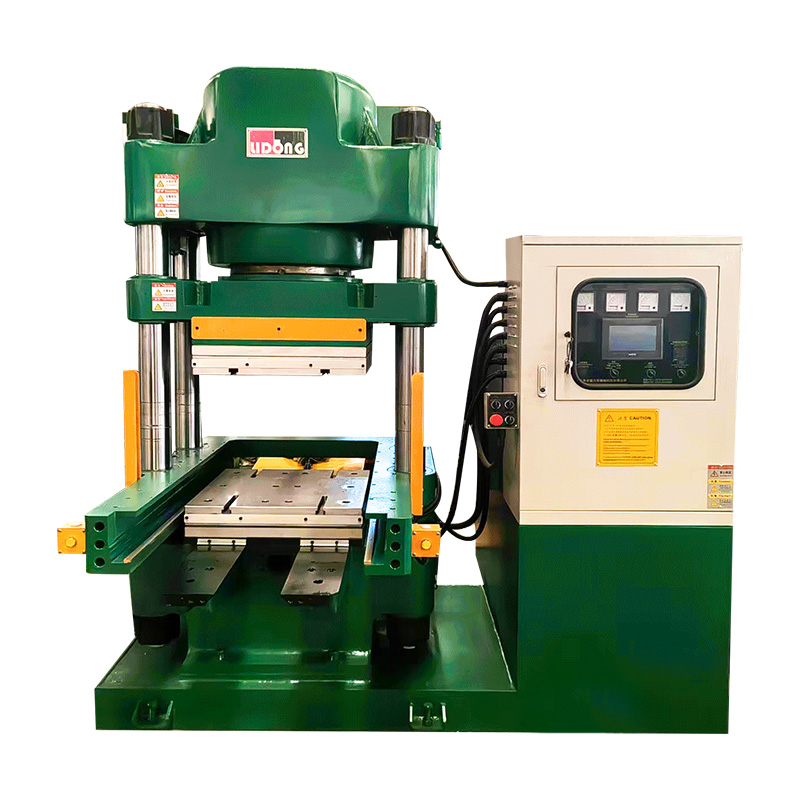
Technical Parameters
The table shows typical configurable values for composite insulator molding equipment. Final specifications depend on insulator length, shed profile and process, and are confirmed in the technical agreement.
| Parameter | Typical Range | Relevance to Insulator Molding |
|---|---|---|
| Clamping force | 200 - 1000 tons | Depends on mold projected area and injection pressure |
| Mold length capacity | From several hundred mm to several meters | Long molds need stiff, long platens |
| Process | Injection, compression or segment molding | Chosen by insulator type and volume |
| Platen temperature | Up to 200 degrees C standard | Match to silicone cure window |
| Temperature uniformity | About plus or minus 2 degrees C along length | Even cure over the whole housing |
| Rod handling | Clamping, feeding and alignment devices | Keeps the rod straight and centered |
| Vacuum assistance | Optional | Reduces voids at the rod interface |
| Pressure control | Programmable with automatic make-up | Stable pressure through the cure |
| Control | PLC with touchscreen and recipes | One recipe for each insulator type |
How to read these figures: for long insulators, length capacity and temperature uniformity along the length are more important than total tonnage. Ask suppliers for a temperature map across the whole mold area and for details of how the rod is held. Also check how the machine handles segment-by-segment molding, if you plan to use it, because positioning accuracy decides whether the joints between segments are invisible and strong.
Send us insulator drawings, rod diameter, length range and shed profile, and we will recommend the process, platen length, tonnage and rod handling device.
Selection steps. Start with the longest insulator you plan to make and the rod diameter range. Then decide on injection or compression and on segment or single-shot molding. Finally, set the daily output target to size the number of machines or stations. Writing these points into the technical agreement helps both sides, and our engineers will help you complete the list.
Special Focus: Interface Bonding and Long-Product Control
Reliable composite insulators depend on the interface between the rod and the rubber. Water entering this interface is a known cause of failure in service, so the process must produce a firm, void-free bond.
| Concern | Why It Matters | What Helps |
|---|---|---|
| Rod-to-rubber interface | Water ingress at the interface harms performance | Rod surface preparation, primer or coupling agent, correct cure |
| Voids in housing | Weak points and moisture paths | Vacuum assistance, correct injection speed and venting |
| Shed shape accuracy | Affects creepage distance and appearance | Accurate molds, stable clamping, even temperature |
| Segment joints | Visible lines and weak points | Accurate rod positioning and overlap control |
| Rod straightness | Bent rods give uneven housing thickness | Rod clamping and support along the length |
Choosing between processes:
| Process | Strength | Consideration |
|---|---|---|
| Injection molding (segment) | High consistency and automation | Higher equipment cost |
| Injection molding (single shot) | Fast for shorter insulators | Needs large mold and strong clamping |
| Compression molding | Flexible and lower equipment cost | More manual work, more variation |
The right choice depends on your product length, volume and quality targets, and we will advise honestly. Material formulation, rod preparation and end fitting design are outside the machine itself, but they influence results greatly, so we are happy to discuss the whole process.
Practical note on rods and fittings. Rod surface condition, cleanliness and storage time affect bonding, and so does the design of the end fitting seal. A clean, dry rod with a correctly applied primer gives the process its best starting point. We therefore suggest reviewing rod preparation together with machine settings when you search for ways to improve interface quality.
Automation and Control System
Long-product molding needs careful coordination between the rod, the mold and the injection or press system. The PLC controls the sequence and checks each step.
- Segment sequence control: mold close, injection or pressing, cure, mold open and rod advance, repeated for each segment.
- Rod positioning: servo or sensor-based feeding ensures accurate overlap between segments.
- Injection control: speed, pressure and volume are programmed in stages, to fill sheds without trapping air.
- Temperature control: multiple zones along the mold, each with its own sensor and PID output.
- Vacuum control: pump-down and release are timed with the mold cycle when used.
- Recipe and data records: each insulator type has stored settings, and cycle data can be logged for traceability.
Handling aids: long rods and molds are heavy. Rod loading racks, support rollers and lifting devices reduce effort and prevent rod damage. For higher volume, automatic rod feeding and unloading can be added, along with end fitting loading devices.
We recommend defining the target daily output and the product range at the start, since they decide how much automation is justified. The control cabinet can be prepared for later expansion, so that adding automatic loading does not mean replacing the PLC.
Operator view. The touchscreen shows each segment step, temperature zones, injection data and cure time remaining. Settings are protected by password, and alarms are written in clear English. We provide a manual and training material, and remote support is available when your engineers want to adjust a recipe for a new insulator type.
Changeover tip. Name each recipe after the insulator code, so any operator can recall the right settings quickly, and keep a printed recipe sheet near the machine.
Structure and Materials
A composite insulator machine carries high clamping force along a long, narrow mold. Frame stiffness and platen design are therefore central.
| Component | Design and Material | Purpose |
|---|---|---|
| Frame | Heavy welded steel structure, stress relieved | Resists bending along the long axis |
| Platens | Alloy steel, ground, with zone heating | Even heat from end to end |
| Clamping system | Well-placed or multiple cylinders | Even clamping force along the mold |
| Rod supports | Adjustable rollers and clamps | Keep the rod straight and centered |
| Injection unit | Barrel and screw or plunger, as specified | Accurate silicone dosing and pressure |
| Insulation | Boards and shields at the ends and sides | Less heat loss and stable temperature |
| Hydraulic station | Separate unit with filtration and cooling | Stable oil temperature and long oil life |
Force distribution: on a long mold, uneven clamping force leaves the ends less tightly closed and gives flash or shed variation. We use well-placed or multiple cylinders and stiff platens to keep force even along the length.
End heat loss: the ends of a long platen lose heat faster. Extra insulation and heating power at the ends help to equalize temperature, and we check temperature along the platen before shipment.
For humid workshops, surface protection can be adapted. Each machine is tested for parallelism, temperature and clamping function before shipment, and the results can be shared with you.
Foundation and installation. Long machines need a flat, strong floor and careful leveling, since misalignment along the length shows up as uneven housing thickness. We supply a foundation and layout drawing with each order, including space for rod racks, the hydraulic station and the electrical cabinet.
Safety and Energy Efficiency
Long, hot molds with high clamping force and moving rods require careful safety design.
- Emergency stop at both ends of the machine and at the operator station
- Light curtains or guard doors connected to the PLC
- Hydraulic overpressure protection with relief valve and monitored sensor
- Independent over-temperature protection on each heating zone
- Rod handling guards and safe loading positions
- Insulated hot surfaces and warning labels
Handling advice: composite insulator rods and molds are long and heavy, and carrying them by hand is risky. Use lifting aids and supports, wear heat-resistant gloves and keep walkways clear. Silicone processing can release vapors during curing and post-cure, so ventilate the area and follow the supplier's safety data.
Energy efficiency: good insulation reduces heat loss along the long platens. PID control avoids overshoot, and a variable-speed hydraulic system saves energy during holding stages. Segment molding keeps only part of the mold under heat and pressure at once, which in some designs reduces energy per insulator. Less scrap from interface defects saves material and energy, since each rejected insulator carries the cost of rod, silicone, fittings and cure time.
Training and records: keep a log of safety checks, sensor calibration and oil changes. A monthly test of emergency stops, light curtains and over-temperature cut-offs takes little time. We can provide an English checklist that you can adapt.
Commissioning safety check. After installation, test every emergency stop, light curtain and interlock together, and record the result. Repeat the test after maintenance work. A short written checklist helps new staff learn the safe routine.
Fume control. Local ventilation near the press and the post-cure area keeps the air cleaner, and we can leave mounting points on the frame for an exhaust hood.







