
 English
 عربى
 中文繁体

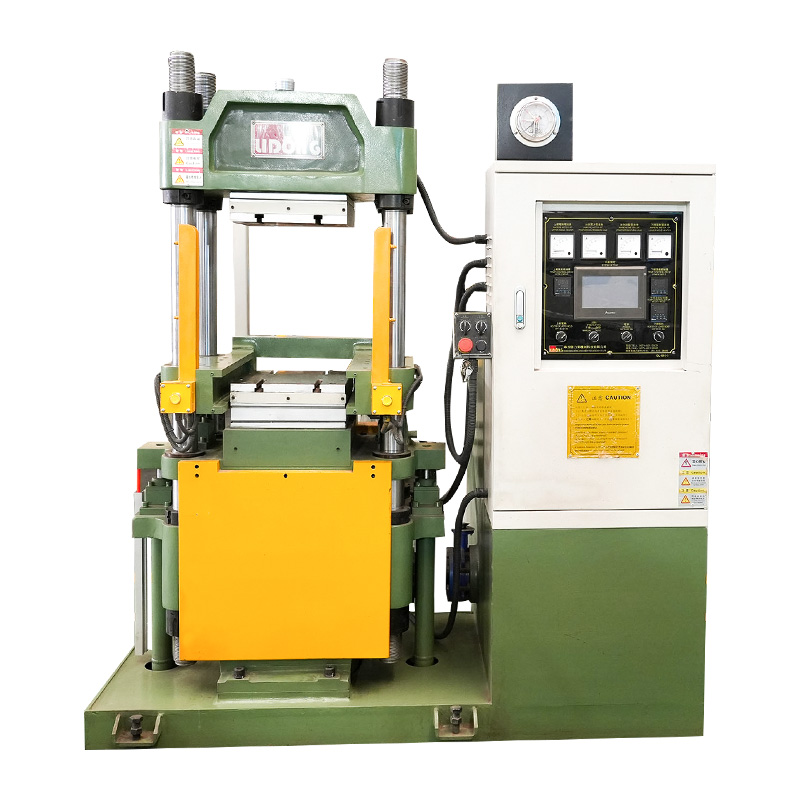
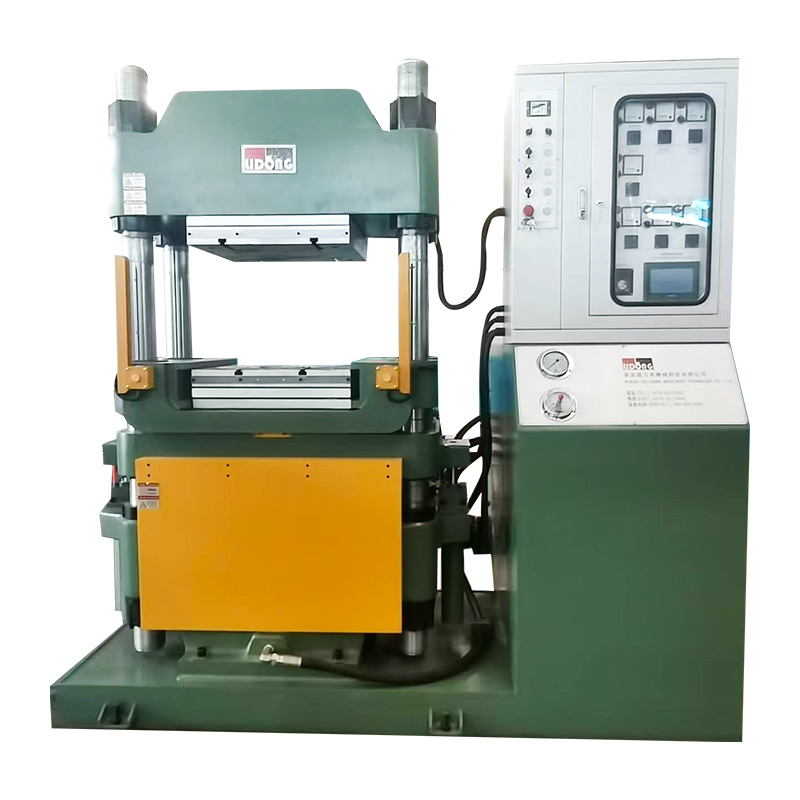
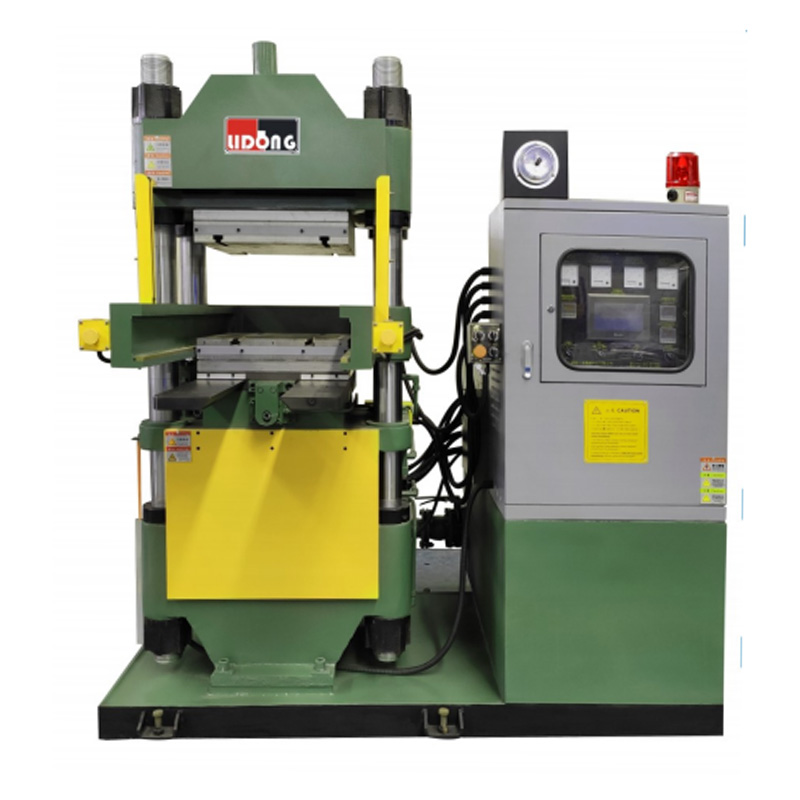
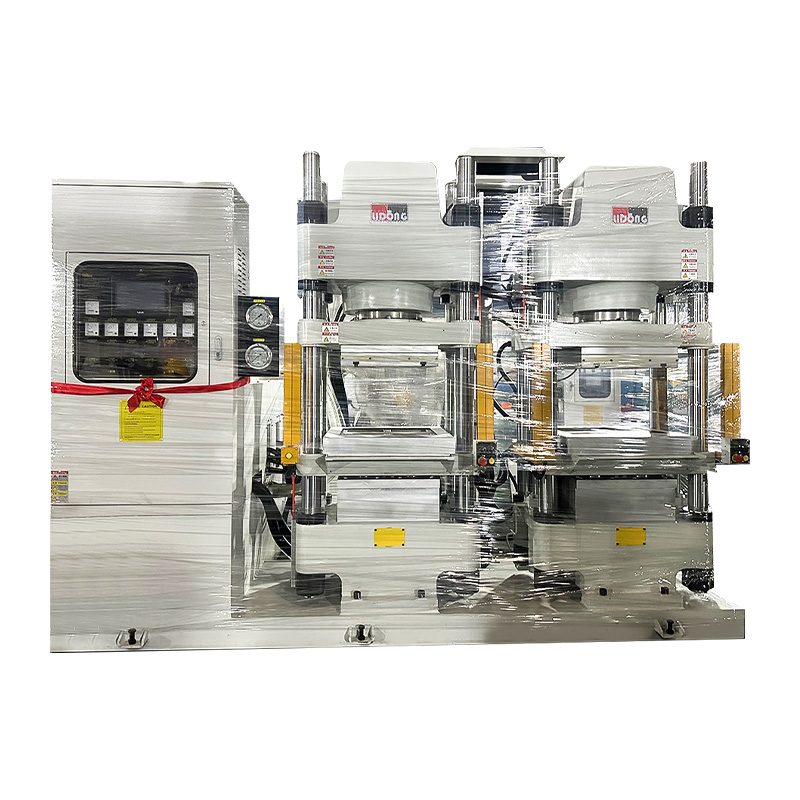
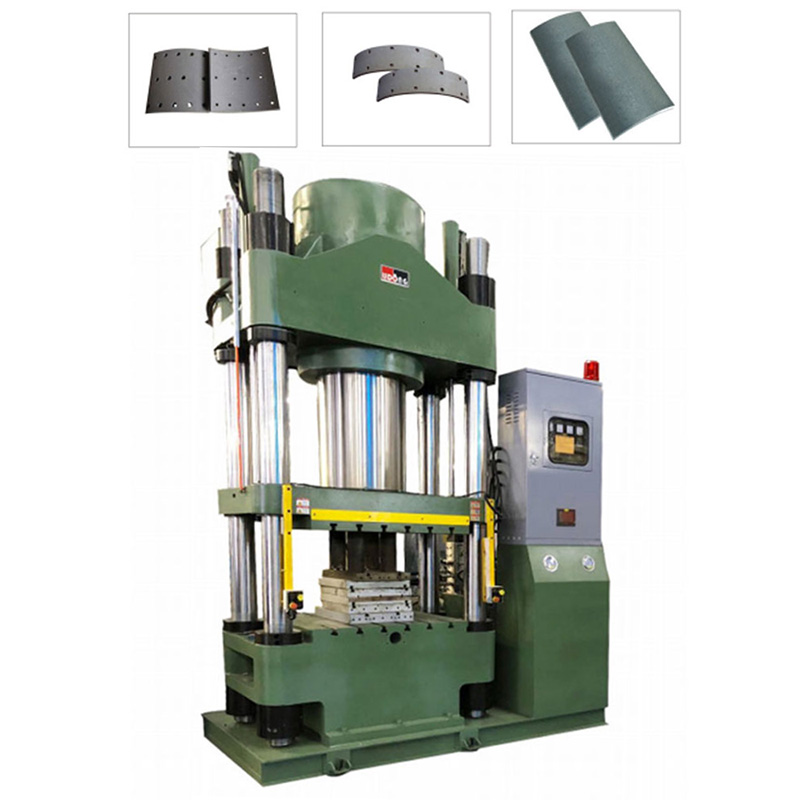
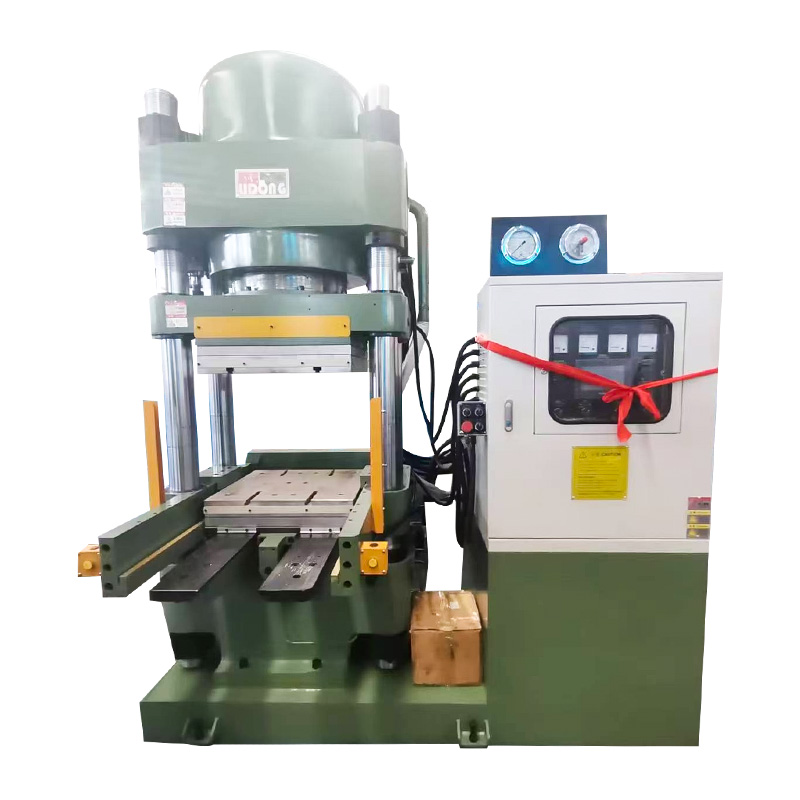
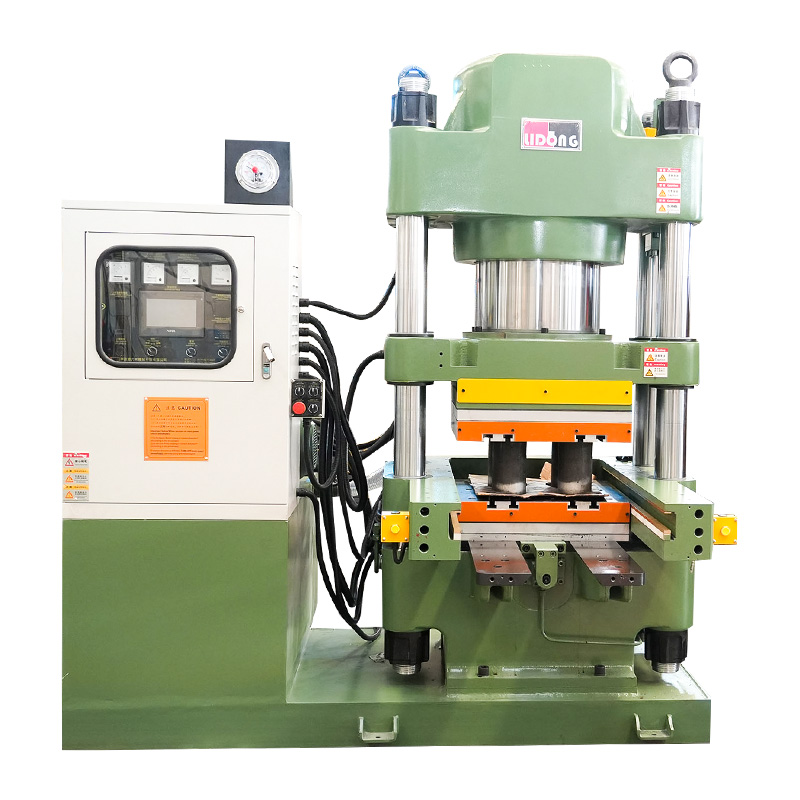
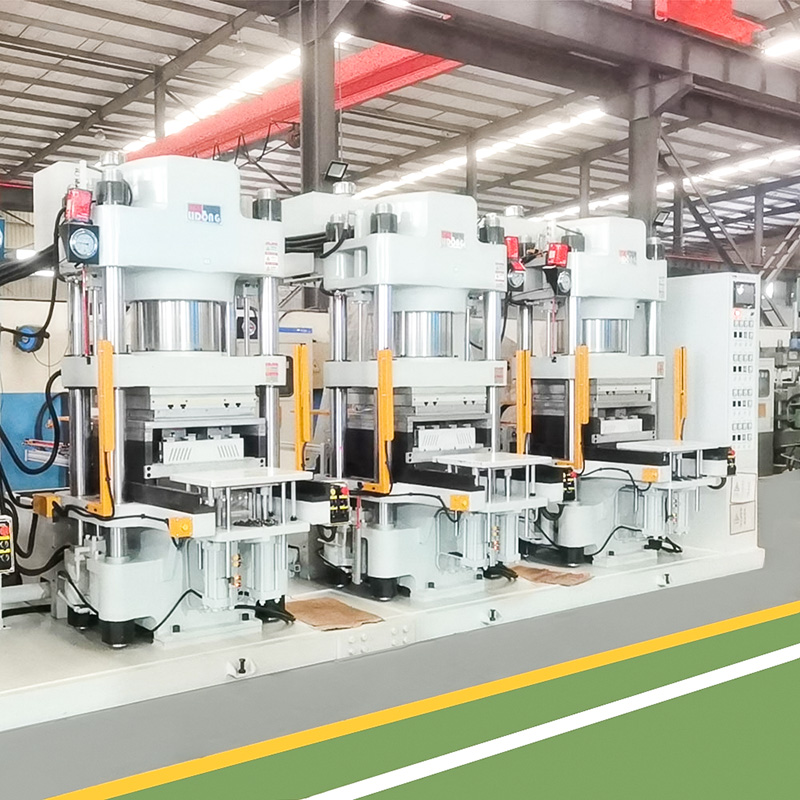
Technical Parameters
The table lists typical configurable values for hot presses used in excavator and construction machine pad production. Final specifications depend on your pad size, mold layout and formulation, and are confirmed in the technical agreement.
| Parameter | Typical Range | Relevance to Excavator Pads |
|---|---|---|
| Clamping force | About 200 - 800 tons | Medium to large pads, several per mold |
| Specific pressure on the pad | Often about 20 - 50 MPa, set by formulation | Controls density of thick, heavy-duty material |
| Platen size | About 500 x 500 mm to 1100 x 1100 mm | Fits a range of pad and block sizes |
| Opening stroke | Adjustable, generous for thick layers | Room for degassing and mold handling |
| Platen temperature | Up to about 200 degrees C | Resin cure, usually around 150 to 180 degrees C |
| Temperature uniformity | About plus or minus 2 to 3 degrees C | Even cure through thick friction layers |
| Degassing steps | Programmable, adjustable opening and dwell | Releases gas from thick material |
| Pressure holding | Programmable with automatic make-up | Steady pressure over longer cures |
| Mold handling | Slide-out table, rail cart, crane points | Heavy molds and frequent changes |
| Control | PLC with touchscreen and large recipe library | Fast switching between pad models |
How to read the table: for construction machine pads, the useful numbers are tonnage, opening stroke and temperature uniformity through thick sections. As a simple example, a pad with a friction area of about 200 square centimeters at 40 MPa needs roughly 80 tons per pad, so a mold with four pads suggests a press of around 330 tons or more with margin.
Because model ranges are wide, it helps to define both the largest and the smallest molds you expect to run. The press should fit the largest, and the controls and heating zones should still work well with the smallest. Please send your pad drawings, thickness, mold dimensions, cavity numbers, formulation and output target, and we will recommend a clamp size, platen size and stroke.
Practical advice. Check the weight of your heaviest mold and the capacity of your crane or cart. A press that cannot be loaded safely is not a good investment.
Special Focus: Heavy-Duty Pads for Mud, Water and Shock Loads
Excavator and construction machine pads are judged by how they behave in rough conditions. The table links the main needs to what the press contributes.
| Requirement | Why It Matters | What the Press Contributes |
|---|---|---|
| Strong bonding to the plate | Shock and heavy loads can pull pads off | Stable temperature and pressure during bonding |
| Dense, even friction layer | Resists abrasion from dust and mud | Parallel closing, even pressure, controlled degassing |
| Stable friction when wet or dirty | Machines work in water and mud | Full cure and consistent density |
| Thick layers without defects | More gas and moisture trapped inside | Programmable degassing and longer, steady holds |
| Many models, small batches | Spare parts market | Quick mold change and recipe library |
| Traceability | Warranty and fleet customers | Recipe lock and cycle records |
Points that decide results:
- Different brake types. Many excavator swing and travel brakes use wet multi-disc friction plates, which are made by different processes. This page concerns pads and blocks pressed in a hot press, and we will tell you plainly if your product belongs to another process.
- Degassing and cure time. Thick, dense material releases gas slowly. Several degassing steps and longer holds reduce internal voids, and cutting sample pads from time to time shows the true state inside.
- Back plate preparation. Heavy-duty plates must be clean, shot blasted if required, coated with the right adhesive and fixed correctly in the mold. The press supplies heat and pressure, but the bond starts with plate preparation.
- Formulation range. Semi-metallic and sintered types are both used on heavy machines. Sintered pads need a different process, and our powder metallurgy brake pad press page covers it.
- Finishing. Post-cure, grinding, chamfering and shim fitting are separate steps that affect wear and noise.
Formulation and testing belong to your technical team, and the press provides stable, repeatable molding conditions. We can discuss how settings relate to shear strength, hardness and density results.
Honest advice. For a wide model range, a flexible press with a generous stroke and recipe library is more valuable than the highest possible tonnage.
Automation and Control System
Pads for heavy machines are costly to scrap, and models change often, so the control system should repeat each cycle exactly and make changeovers simple.
- Recipe memory: temperature, pressure steps, degassing count, opening distance, dwell, hold time and stroke limits are stored by pad model, so a change is a matter of selecting the name.
- Multi-step pressure control: gentle initial compaction, degassing and final hold can be set separately.
- Long-hold stability: pressure make-up keeps force steady as thick material consolidates.
- Zoned temperature control: separate sensors and outputs keep platens even, including when small molds are used on large platens.
- Controlled closing speed: slow approach near the mold faces protects heavy molds and back plates.
- Alarms and records: faults are shown clearly, and cycle data such as temperature, pressure and time can be stored and exported if you permit it.
Handling and automation: heavy molds need slide-out tables, rail carts or a crane with proper lifting points. For higher volumes, automatic feeding systems and loading aids can be added step by step, and the layout can be prepared in advance.
Operator view. The touchscreen shows the active recipe, platen temperatures, pressure curve and cycle time remaining. Passwords protect settings. An English manual and training material are provided, and remote support is available when your technician sets up a new mold.
Changeover tip. Name each recipe after the pad model code and mold number, and keep a printed sheet of proven settings near the press. Lock the recipes by password to prevent accidental changes between shifts.
Operator note. Show the cure time remaining and the number of the current degassing step on the screen, so the operator can tell at a glance where the cycle stands. Long cycles on thick pads are easy to mistake for a stalled press without this information.
Structure and Materials
A press for heavy-duty pads works under high loads in thick sections, so frame stiffness, platen thickness and cylinder layout are important.
| Component | Design and Material | Purpose |
|---|---|---|
| Press frame | Heavy welded steel structure, stress relieved | Low deflection at the rated tonnage |
| Platens | Thick alloy steel, ground flat, zoned heating | Even heat and flat contact over a wide area |
| Heating | Electric rods or thermal oil channels, PID control | Stable temperature on a large mass |
| Insulation | Boards and shields on platens and guides | Lower heat loss, protection for seals |
| Guide system | Hardened, wear-resistant, adjustable | Keeps platens parallel through a long stroke |
| Main cylinder | Large bore, quality seals, stroke control | Uniform force and repeatable thickness |
| Mold carrier | Slide-out table or rail cart rated for the mold weight | Safe loading of heavy molds |
| Hydraulic station | Separate unit, filtered and cooled | Stable pressure over long holds |
Why stiffness matters: a thick pad is very sensitive to density differences, and a frame that deflects leaves the edges softer than the center. We use heavy frames and thick platens, select cylinder positions to spread the load evenly and check parallelism and flatness at the factory.
Workshop conditions: friction material plants are dusty. Covers, bellows on exposed rods and drip trays protect sensors and cylinders, and filtered, cooled hydraulic oil keeps the system reliable.
Maintenance. Clean platens regularly with non-scratching tools, keep guides lubricated, check cylinder seals, and change hydraulic oil and filters according to the manual. Inspect mold carriers and lifting points on a schedule.
Before shipment, each press is run under load, and temperature uniformity, pressure holding and safety functions are checked.
Safety and Energy Efficiency
Heavy molds, high pressure, hot surfaces and dusty friction mix make safety planning essential in heavy-duty pad production.
- Emergency stop at the operator position and at the loading side
- Light curtain or guard doors connected to the PLC
- Hydraulic overpressure protection with a relief valve and pressure monitoring
- Independent over-temperature protection on each heating zone
- Mold carrier stops and locks that hold molds in position during loading
- Insulated surfaces and warning labels on hot parts
Handling advice: never lift heavy molds by hand. Use a crane or rated cart with proper lifting points, wear heat-resistant gloves and sleeves, and keep walkways clear. Heating the resin releases vapors, and friction mix is dusty, so provide local exhaust above the press, dust collection at feeding and grinding areas and suitable respiratory protection according to local rules. Follow the safety data sheets of your materials.
Energy efficiency: a large press holds a lot of heat, so good insulation and PID control make a clear difference. A variable-speed hydraulic system uses power mainly while the press moves, which matters because holds are long. A stand-by temperature function saves energy during mold changes and breaks, and low scrap saves raw material and the energy already spent on it.
Tell us your working hours and local power price, and we will compare options in the quotation.
Training and records. Keep a log of safety checks, carrier inspections and oil changes. A monthly test of the emergency stop, light curtain and over-temperature cut-off takes little time and keeps the press dependable. We provide an English checklist that you can adapt to your own procedures.







