English
 عربى
 中文繁体
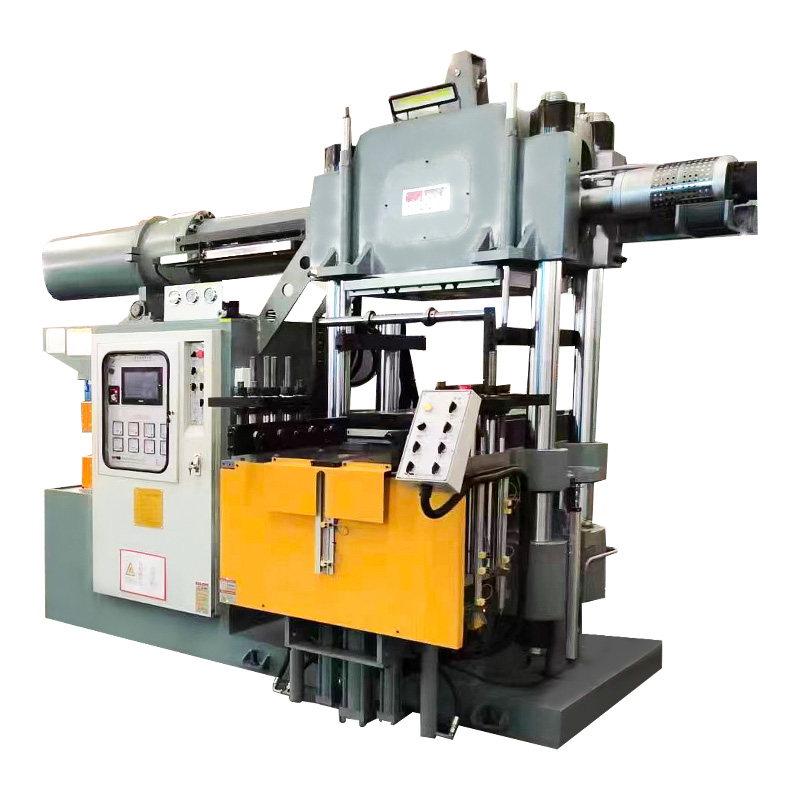
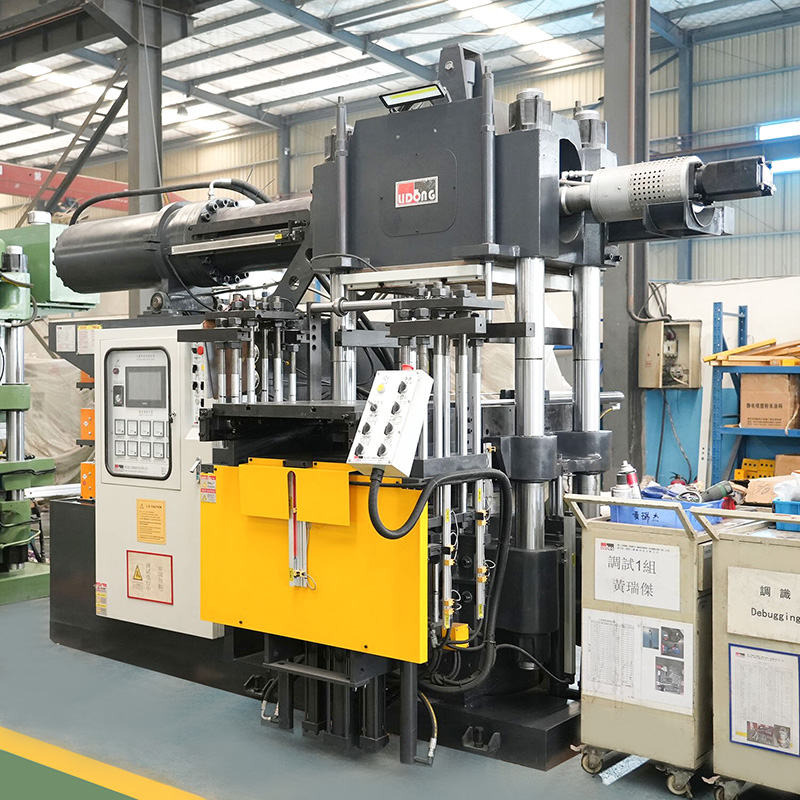
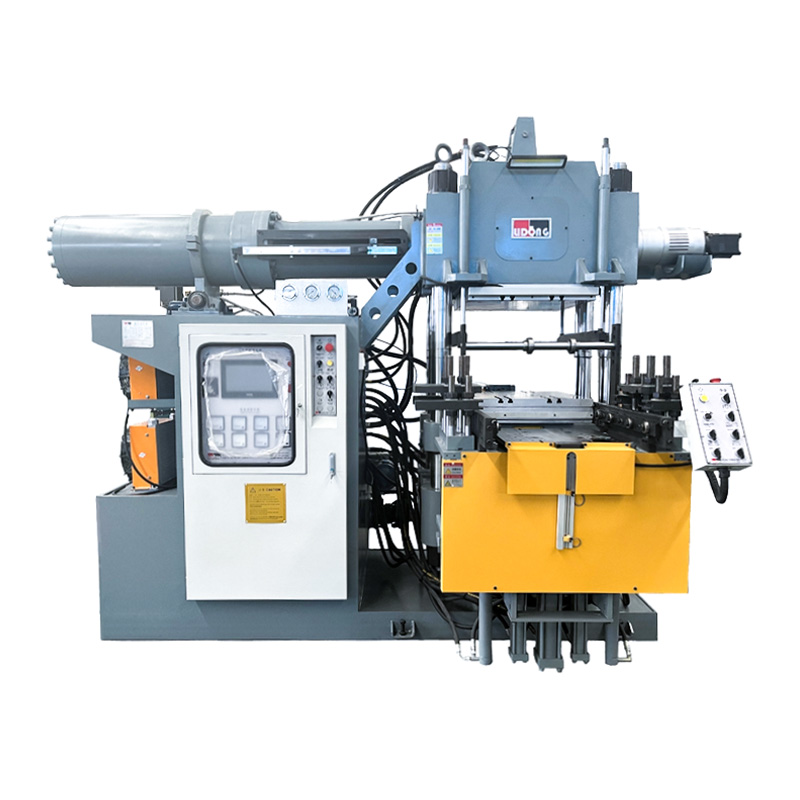
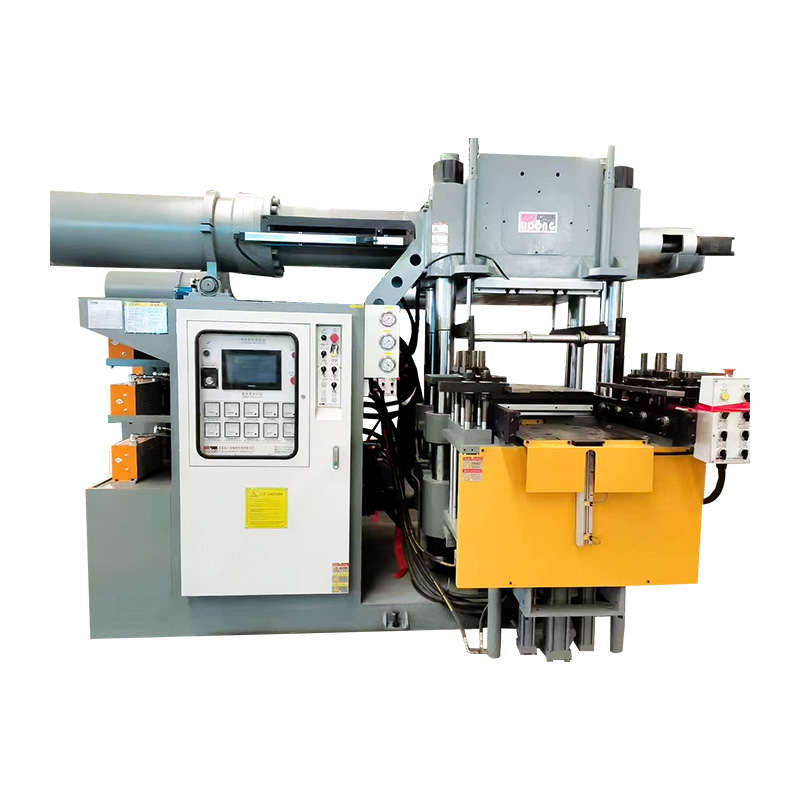
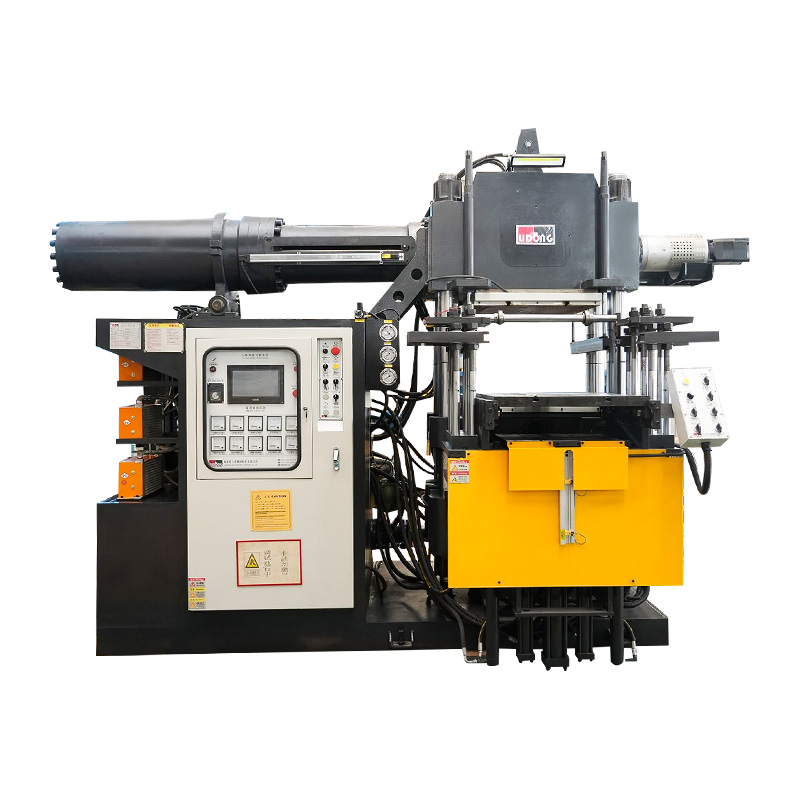
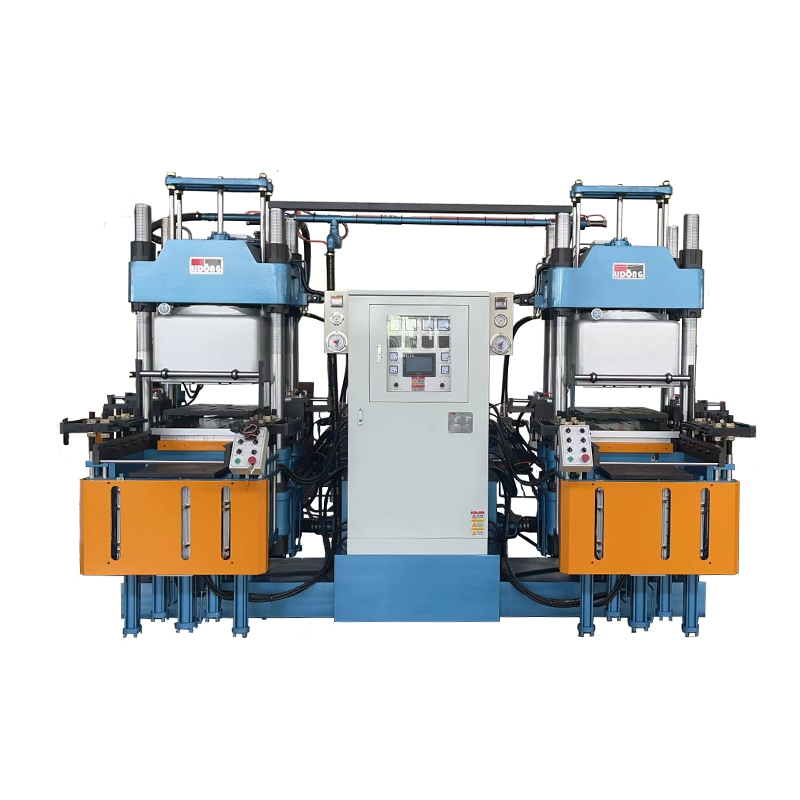
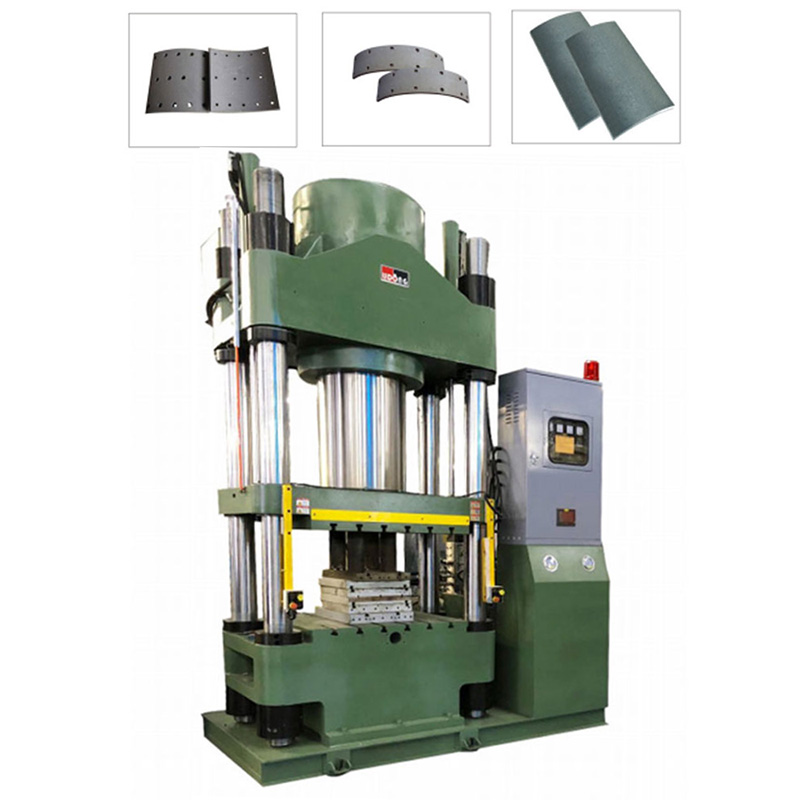
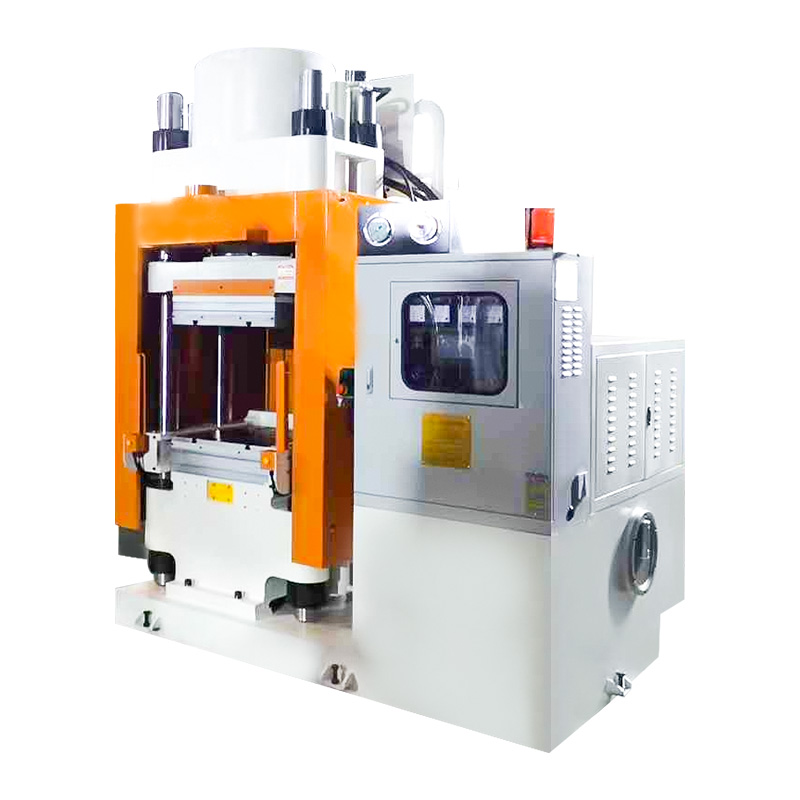
Technical Parameters
The table shows typical configurable values related to shot control on a rubber injection machine. Final figures depend on your part, mold and compound, and are confirmed in the technical agreement.
| Parameter | Typical Range | Relevance to Shot Control |
|---|---|---|
| Clamping force | 50 - 500 tons | Holds the mold closed against injection pressure |
| Shot volume | About 50 cc to 3000 cc | Match unit size to the normal part weight |
| Plunger position sensing | Linear transducer with fine resolution | Measures shot volume directly |
| Injection speed stages | Several programmable stages | Controls fill and shear heating |
| Pressure control | Closed loop, with holding pressure steps | Packs the cavity without flash |
| Switch-over method | By position, pressure or time | Changes from fill to hold at the right moment |
| Cushion monitoring | Set limits with alarm | Detects short or excess shots |
| Barrel temperature | Controlled zones, compound specific | Stable viscosity gives stable shots |
| Mold temperature | Up to about 200 degrees C | Stable cure and flow |
| Control | PLC with touchscreen, recipe and data storage | Records every cycle |
How to read the table: the resolution of position sensing, the number of speed stages and the cushion monitoring are the features that separate a precision machine from a basic one. A good transducer lets the control know the shot volume within a very small distance, while cushion limits warn the operator when something changes.
Compound viscosity and temperature also affect repeatability, which is why barrel temperature control sits in the same table. Even the best sensor cannot hold a stable shot if the rubber temperature drifts. Please send your part weight, cavity number, compound and tolerance, and we will recommend a unit size and a control level.
Practical advice. State your required weight tolerance at the inquiry stage. It helps us choose the right plunger size, since a smaller plunger gives finer control of small shots.
Special Focus: What Causes Shot Variation and How Control Reduces It
Buyers of precision injection machines usually want to know where variation comes from. The table links common causes to the control measures that reduce them.
| Cause of Variation | Effect on the Part | Control Measure |
|---|---|---|
| Rubber temperature drift | Changes in flow and fill, short shots or flash | Zoned barrel heating with PID control |
| Compound batch changes | Different viscosity from lot to lot | Recipe adjustment and cushion monitoring |
| Slow switch-over | Overpacking and flash | Position or pressure switch-over with fast response |
| Plunger or seal wear | Leakage and weight loss over time | Cushion trend monitoring and planned seal changes |
| Mold temperature change | Different cure and flow | Stable mold heating and warm-up time |
| Air in the cavity | Short fill or burn marks | Venting design and optional vacuum |
Questions to ask any supplier:
- How is shot volume measured? A linear transducer on the plunger gives direct information, while indirect methods are less accurate.
- What happens when the cushion changes? The machine should warn the operator or stop, not continue silently.
- Can limits be set for each mold? Recipes should hold tolerance bands for each part.
- Is the data stored? Records help you trace problems to a time and a compound batch.
Precision control cannot replace a good mold. Gate size, venting and mold surface remain key to part quality, and a worn mold will show flash no matter how well the shot is measured. We will review your mold with you.
Realistic expectations. Shot repeatability depends on the compound, the part and the process. Stable compounds in well-designed molds can reach very small variation, but we do not quote a fixed figure without knowing your product, and we confirm results during testing at our factory.
Automation and Control System
The value of a precision injection machine comes from its control system, because it watches every cycle and reacts before small changes become scrap.
- Closed-loop injection control: speed and pressure follow the set profile, even when the rubber viscosity changes slightly.
- Position-based switch-over: the machine changes from filling to holding at a fixed plunger position, which keeps the shot volume steady.
- Cushion monitoring with alarm limits: changes in the remaining volume are flagged at once, and out-of-limit cycles can be marked or stopped.
- Recipe storage: shot size, injection stages, holding pressure, temperatures and cure time are saved for each mold and compound.
- Cycle data records: peak pressure, cushion, injection time and temperature can be stored for each shot and exported, if you permit it.
- Trend display: the touchscreen can show how the cushion and the injection time move over a shift, which helps spot wear or compound changes early.
Handling and integration: the machine can be linked to a demolding device, a part removal unit or a conveyor, so that each cycle runs without manual steps. Sorting of parts from cycles that went outside limits can be arranged on request.
For multi-machine plants, the control can be prepared to send data to your factory system. Please tell us your requirements early, since the interface design affects the electrical layout.
Operator view. The touchscreen shows the active recipe, the shot position and the step in progress. Passwords protect the settings, and plain-language alarms reduce downtime. An English manual and training material are provided.
Changeover tip. Name each recipe after the mold number and compound code, so any operator can recall the right settings quickly. A printed recipe sheet with the shot size, switch-over point and cushion limits placed near the machine helps new staff during the first weeks, and a locked recipe prevents accidental changes between shifts.
Structure and Materials
Precision depends on mechanical stiffness, quality seals and stable temperature. The structure of the machine must keep these properties for years of daily work.
| Component | Design and Material | Purpose |
|---|---|---|
| Clamping frame | Stiff welded or cast structure, stress relieved | Resists deflection under injection pressure |
| Platens | Alloy steel, ground flat and parallel | Even mold closing and low flash |
| Plunger and shot chamber | Hardened, polished, with quality seals | Accurate and repeatable shot volume |
| Position sensor | Linear transducer, protected from heat and dust | Reliable shot measurement |
| Screw and barrel | Hardened or nitrided, wear-resistant | Stable plasticizing over time |
| Nozzle | Temperature controlled, wear-resistant tip | Stable flow and less stringing |
| Hydraulic system | Servo or proportional valves, filtered and cooled | Smooth, repeatable speed and pressure |
Detail that matters: a precision machine is only as good as its hydraulic response. Proportional or servo components give smooth control, but they need clean oil. We therefore use good filtration and oil cooling, and we recommend oil sampling at regular intervals.
Sensors sit close to hot parts, so cable routing, shielding and heat protection are designed with care. This keeps the readings stable and avoids false alarms that annoy operators.
Maintenance. Check the plunger seals and the position sensor at planned intervals, clean the nozzle during compound changes and verify thermocouples against a reference thermometer every few months. A short written checklist helps new staff keep the machine in good condition.
Before shipment, each machine is run under load with a test mold. We check shot repeatability over a series of cycles and share the results with you on request.
Safety and Energy Efficiency
A precision machine still works with hot molds, high pressure and moving parts, so safety design follows the same strict rules as any injection machine.
- Safety doors or light curtains at the mold area, interlocked with clamp and injection movements
- Emergency stops at the operator position and at the rear of the machine
- Hydraulic overpressure protection with relief valves and pressure sensors
- Independent over-temperature protection on barrel and platen zones
- Nozzle guards and warning labels on all hot areas
- Safe response to sensor faults: if a position or pressure sensor fails, the machine stops in a safe condition
Handling advice: wear heat-resistant gloves and clothing near the nozzle and mold. Never reach into the mold area while the machine is in automatic mode, and keep walkways clear. Provide ventilation for vapors from hot rubber, especially with FKM and silicone compounds.
Energy efficiency: servo or variable-speed pumps use power mainly while the machine moves, which can reduce consumption compared with constant-speed pumps. Good insulation on barrel and platens lowers heat loss. Precision control also saves material, because a stable shot means less flash, fewer short shots and less scrap, and material is often the largest cost in rubber production.
Tell us your working hours and local power price, and we will compare options in the quotation.
Training and records. Keep a simple log of safety checks, sensor tests and oil changes. A monthly test of emergency stops, doors and over-temperature cut-offs takes little time and keeps the machine dependable.
Fume and housekeeping. Local ventilation above the mold area and a tidy floor reduce vapor exposure and slip risks. Keep release agents and cleaning solvents away from hot surfaces, store them in labeled containers and follow the supplier's safety data sheets. Collect purge waste in a metal bin and remove it regularly, since hot rubber scrap can stay warm for a long time.