
 English
 عربى
 中文繁体

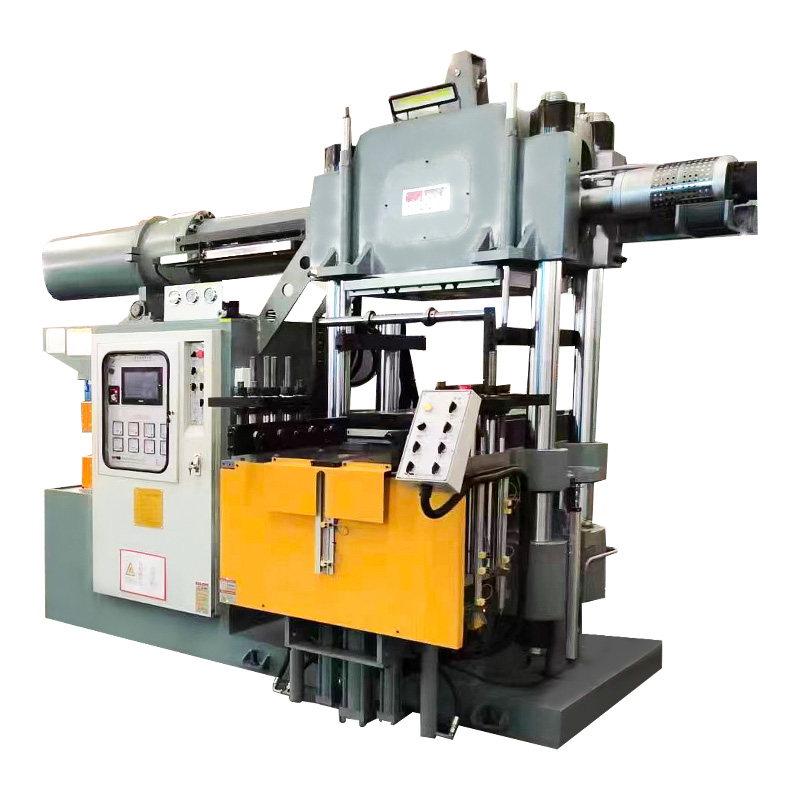
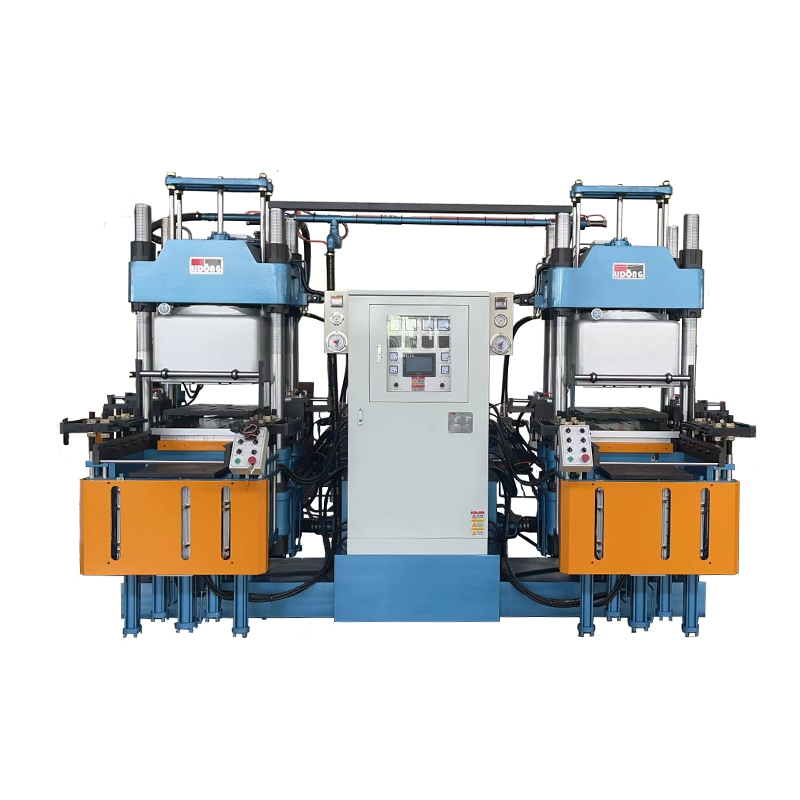
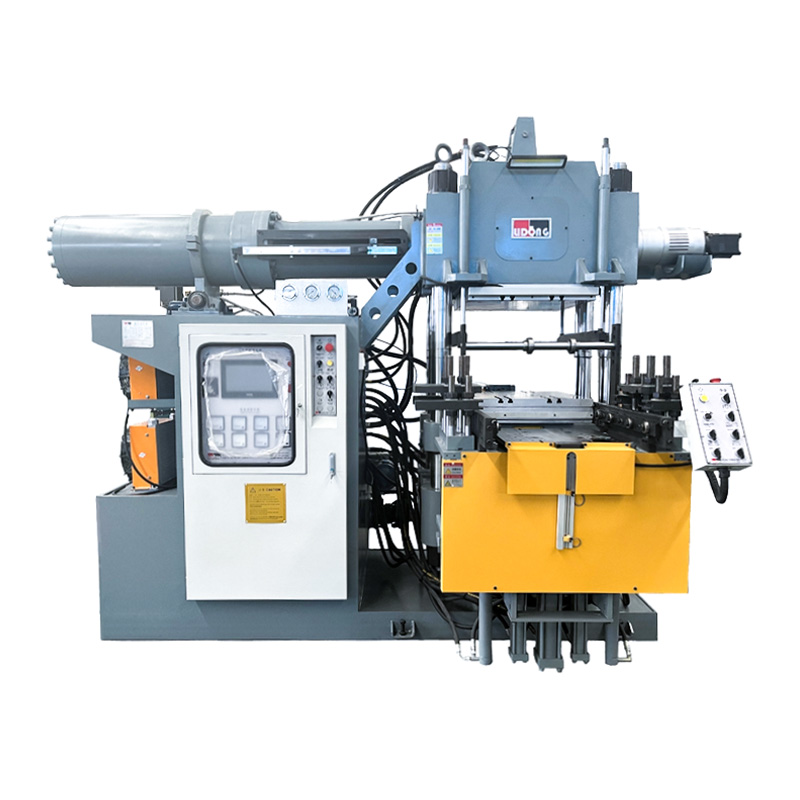
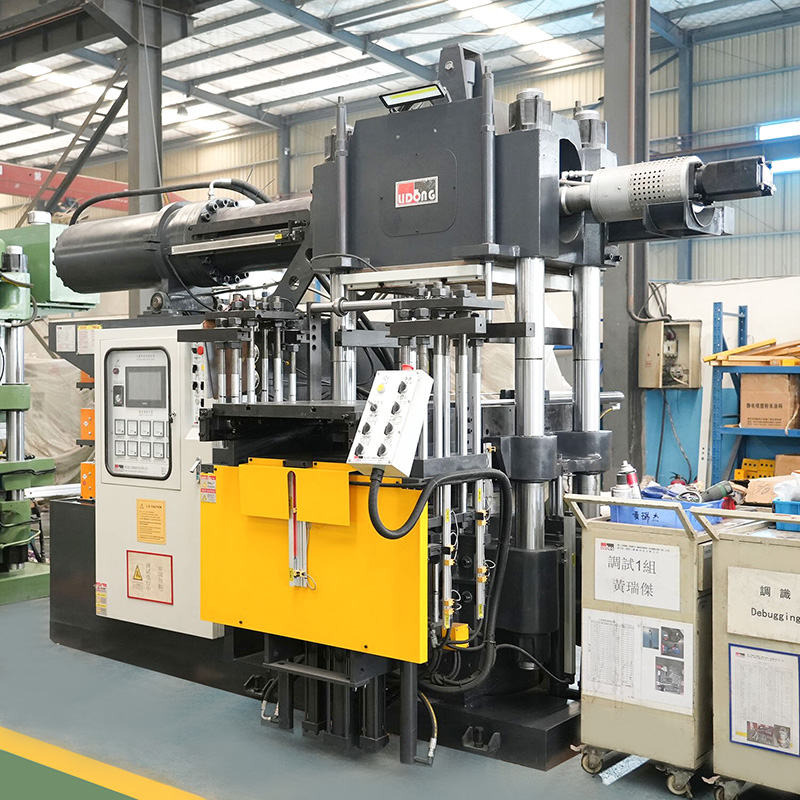
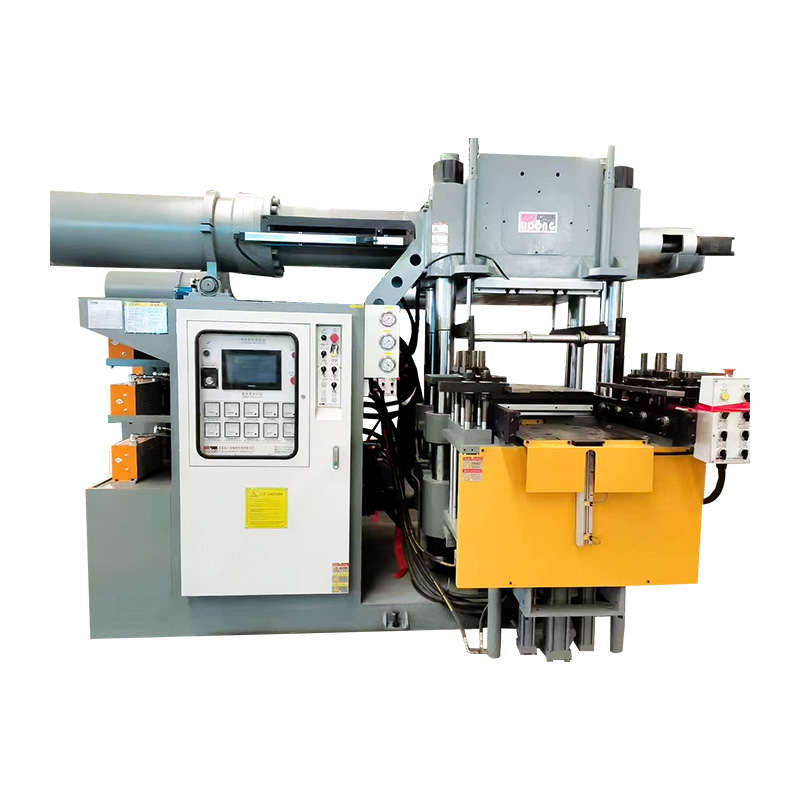
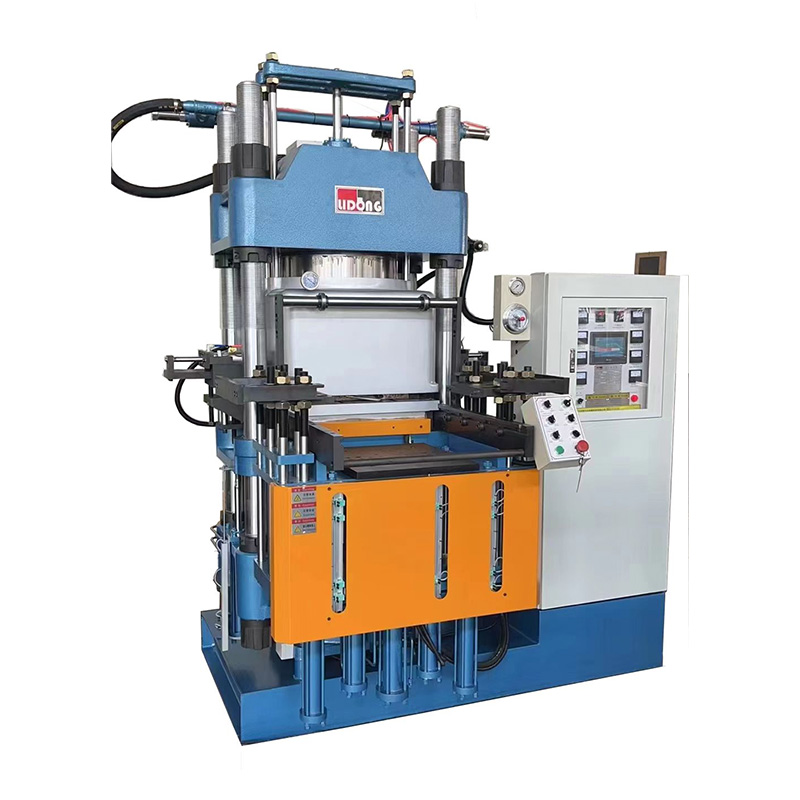
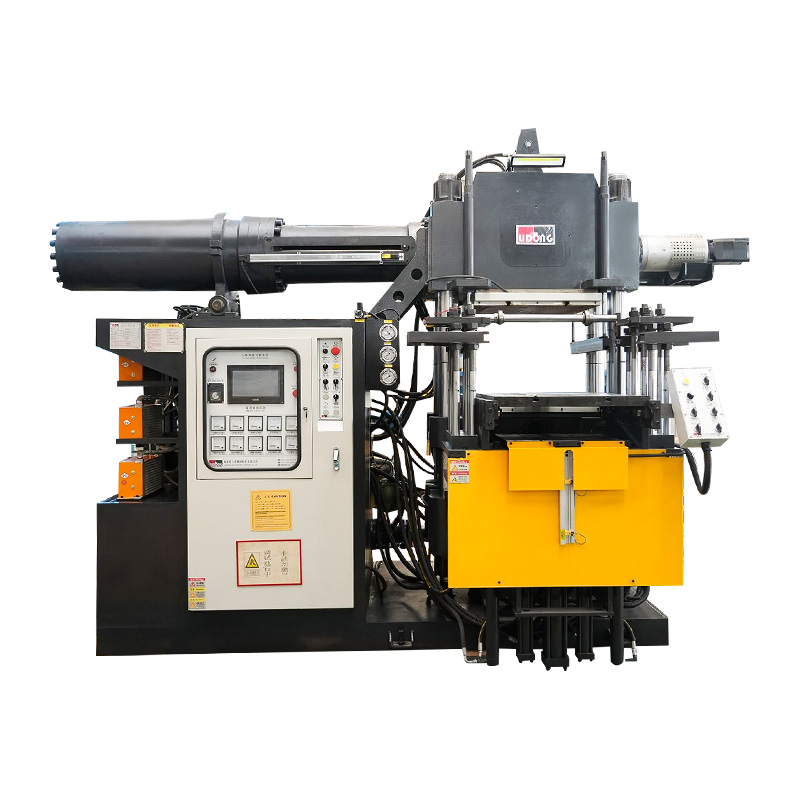
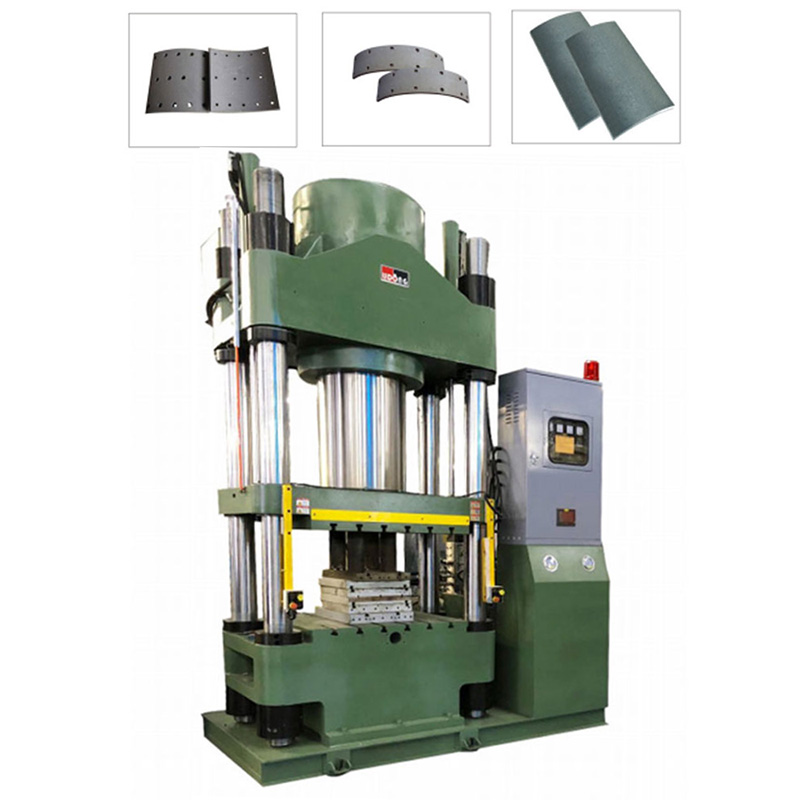
Technical Parameters
The table lists typical configurable values for a FIFO rubber injection machine. Final specifications depend on your part, mold and compound, and are written into the technical agreement.
| Parameter | Typical Range | Notes |
|---|---|---|
| Clamping force | 100 - 800 tons | Based on projected area and injection pressure |
| Shot volume | About 200 cc to 5000 cc | Choose so a normal shot uses a good part of capacity |
| Injection pressure | High pressure, often up to about 200 MPa at the rubber | Depends on the unit size and screw design |
| Barrel temperature | Controlled zones, usually about 60 - 100 degrees C | Compound specific; low enough to avoid scorch |
| Mold temperature | Up to about 200 degrees C | Electric or oil heated platens |
| Feed form | Rubber strip, fed by a roller or stuffer | Pre-warmed strip is also possible |
| Injection speed | Adjustable, programmable in stages | Controls fill and shear heating |
| Mold layout | Single or multi-cavity, cold runner option | Reduces runner waste |
| Control | PLC with touchscreen, recipe memory | Stores each mold and compound |
How to read the table: the most important choice is the shot volume in relation to your part weight. If a shot is very small compared with the unit capacity, the rubber waits longer in the barrel and the benefit of the FIFO design is partly lost. If the unit is too small, the machine runs at its limit and cannot hold stable pressure. We usually suggest a shot size that suits your normal part weight with a margin for larger parts.
The second key point is clamping force. High injection pressure tries to open the mold, so the clamp must hold it closed, or flash will appear. Please send your mold dimensions, part weight, cavity number and compound, and we will recommend an injection unit and a clamp size.
Practical advice. Tell us if you may later move to a larger part or to a different compound, since this changes the best choice of screw and barrel.
Special Focus: FIFO Compared with Other Injection Units
Buyers often ask what the FIFO design really changes. The table gives a simple comparison of common rubber injection unit types.
| Unit Type | How It Works | Strength | Consideration |
|---|---|---|---|
| FIFO (screw plus plunger) | Screw plasticizes, plunger stores and injects each shot | Uniform heat history, less scorch risk | More complex unit, higher price |
| Reciprocating screw | One screw plasticizes and injects | Simple and compact | Shot to shot variation can be larger |
| Plunger (ram) type | Rubber is pushed from a pot by a plunger | Simple, good for small runs | Material can stay hot and stagnate |
Questions that decide whether FIFO is right for you:
- How scorch-sensitive is your compound? Fast-curing or high-viscosity compounds gain the most from FIFO.
- How steady must the part weight be? Seals and precision parts benefit from the consistent shot.
- How often do you change compound? A good FIFO unit can be purged and cleaned, but frequent changes need a clear cleaning routine.
- Is the part large enough? Very small parts may be better on a smaller or different unit.
FIFO does not remove the need for good mold design. Gate position, venting and mold temperature remain decisive for part quality, and a cold runner system can cut waste but needs careful design. We will review your mold with you, and we will say plainly when a simpler machine will do the job.
Cost thinking. A FIFO machine costs more than a simpler injection unit. The saving usually comes from less scrap, steadier cure and less trimming, so buyers should compare the price with their present reject rate and material cost, not only with the machine price.
Automation and Control System
Injection molding gives its best results when every shot is controlled the same way. The control system of a FIFO rubber injection machine manages the screw, the plunger, the clamp and the mold temperature together.
- Recipe storage: barrel temperature, shot size, injection speed stages, holding pressure and cure time are saved for each mold.
- Barrel temperature zones: separate sensors and outputs keep the rubber at the set temperature, so that the compound stays warm but does not scorch.
- Multi-stage injection: programmable speed and pressure steps control the fill and reduce shear heating and flash.
- Screw back pressure and rotation speed: adjustable to control the rubber temperature before it reaches the plunger chamber.
- Automatic open, eject and close: the machine can complete the full cycle after the start button is pressed.
- Alarms and counters: temperature, pressure and position faults are shown with clear messages, and shot and cycle counters help supervisors.
Handling: the machine can be linked to a demolding device, a parts removal unit or a conveyor. For molds with many cavities, automatic ejection and sweeping devices lower the labor per part. Our automatic mold loading and unloading systems are designed for compression presses, so please tell us early if you plan a full automated cell.
For higher output, the control can be prepared to export production data to your factory system, if you permit it.
Operator view. The touchscreen shows the active recipe, temperature of each zone, shot position and the step in progress. Passwords protect the settings, and an English manual with training material is provided. Remote support helps when your technician sets up a new mold.
Structure and Materials
A FIFO rubber injection machine handles abrasive and sticky compounds at high pressure, so the material and quality of the injection unit decide how long it keeps its accuracy.
| Component | Design and Material | Purpose |
|---|---|---|
| Clamping frame | Heavy welded or cast structure, stress relieved | Holds the mold closed against injection pressure |
| Platens | Alloy steel, ground flat, with zoned heating | Even heat and flat contact with the mold |
| Screw and barrel | Hardened or nitrided steel, wear-resistant surface | Long life with abrasive fillers |
| Plunger and shot chamber | Hardened and polished, with quality seals | Accurate, repeatable shot volume |
| Nozzle | Wear-resistant, with temperature control | Stable flow and reduced stringing |
| Heating and cooling | Barrel temperature control by oil or water | Keeps the compound at a safe temperature |
| Hydraulic station | Servo or variable pump, filtered and cooled | Smooth pressure with lower energy use |
Detail that matters: screw and barrel wear grows slowly and then affects shot weight. Filled compounds such as carbon black and silica wear the surfaces over time, so we select the hardening and surface treatment to match the compound you plan to run. Wear parts are designed to be replaced without changing the whole unit.
For plants that run bright colors or white compounds, the shot chamber and nozzle can be designed for easy cleaning. Please share the compound and color plan at the inquiry stage, since it changes the design details.
Maintenance. Clean the nozzle and purge the unit when changing compound, check heater bands and thermocouples, and inspect the plunger seals at planned intervals. Keep guide surfaces lubricated and change hydraulic oil and filters according to the manual.
Before shipment, every machine is run under load with a test mold, and the temperature control, shot repeatability and safety functions are checked.
Safety and Energy Efficiency
Injection molding of rubber combines hot molds, high pressure and moving parts, so a careful safety design protects both operators and the machine.
- Safety doors or light curtains at the mold area, interlocked with the clamp and the injection unit
- Emergency stops at the operator position and at the rear of the machine
- Hydraulic overpressure protection with relief valves and pressure sensors
- Nozzle and barrel guards with warning labels, since the nozzle area is hot
- Independent over-temperature protection on barrel and platen zones
- Cold-start protection that blocks the screw from turning until the barrel reaches the set temperature
Handling advice: wear heat-resistant gloves and protective clothing when working near the nozzle and mold. Keep the work area clear, and never reach into the mold area while the machine is in automatic mode. Rubber curing and injection can release vapors, so provide good ventilation.
Energy efficiency: a servo or variable-speed hydraulic system uses power mainly while the machine moves, which can lower consumption compared with a constant-speed pump. Good insulation on platens and barrel reduces heat loss, and a stand-by temperature function saves energy during breaks. Because injection molding has less scrap and trimming than compression molding, it also saves material, which is often the largest cost in rubber production.
Tell us your working hours and local power price, and we will compare configurations in the quotation.
Training and records. Keep a simple log of safety checks, nozzle cleaning and oil changes. A monthly test of the emergency stops, doors and over-temperature cut-offs keeps the machine dependable.
Purge waste. Collect purge material in a metal bin and remove it regularly, since hot rubber scrap stays warm for a long time. Keep release agents and cleaning solvents away from hot surfaces and follow the supplier's safety data sheets.







