English
 عربى
 中文繁体
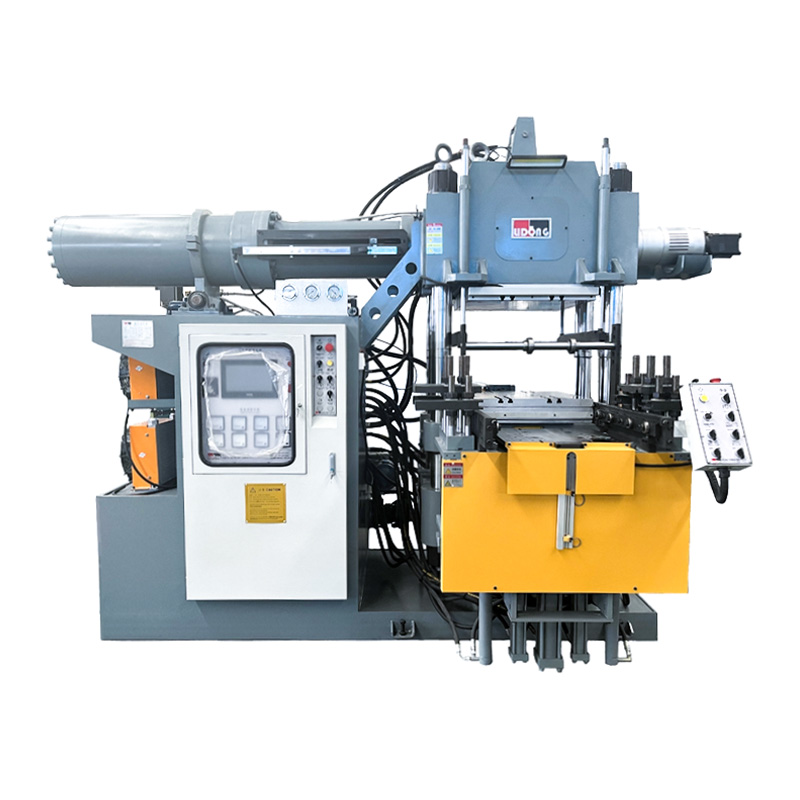
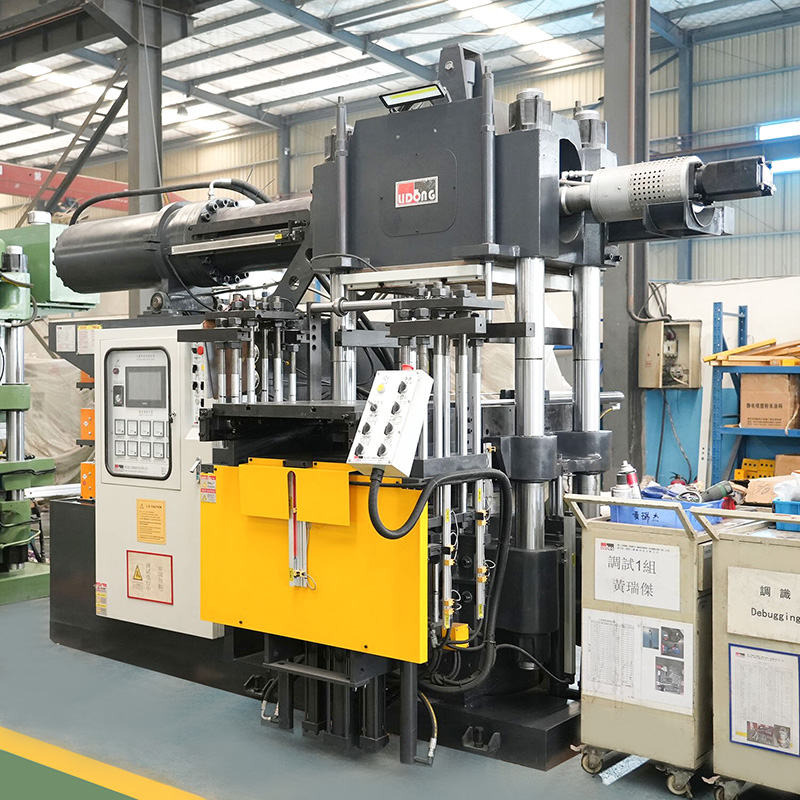
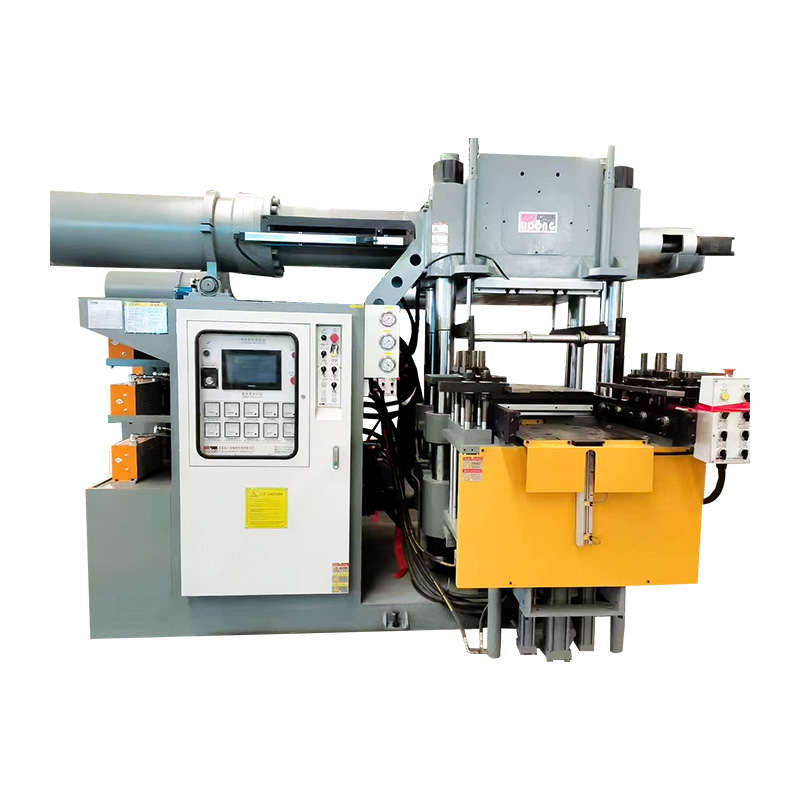
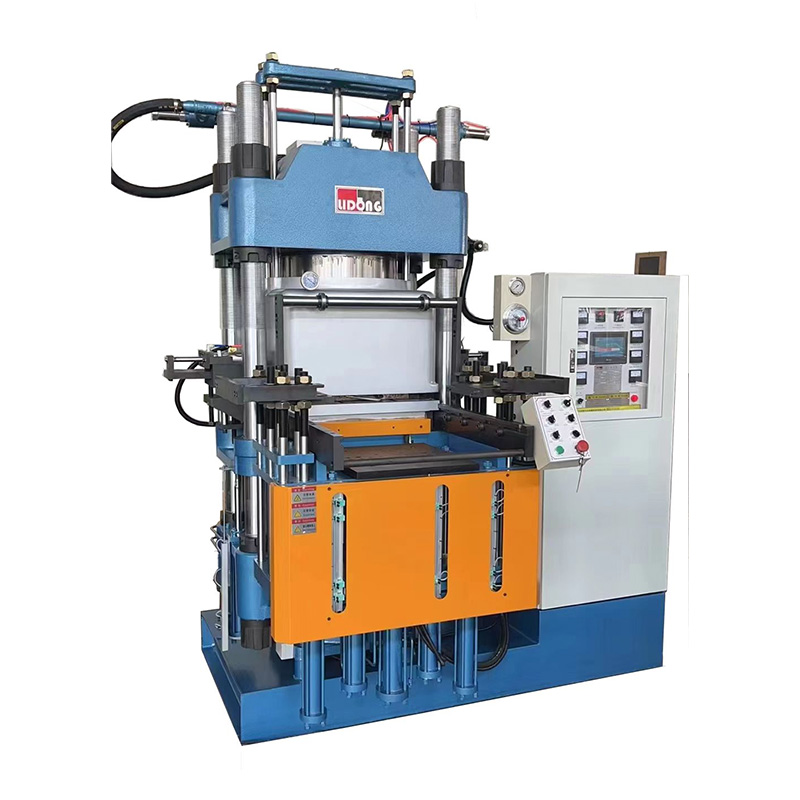
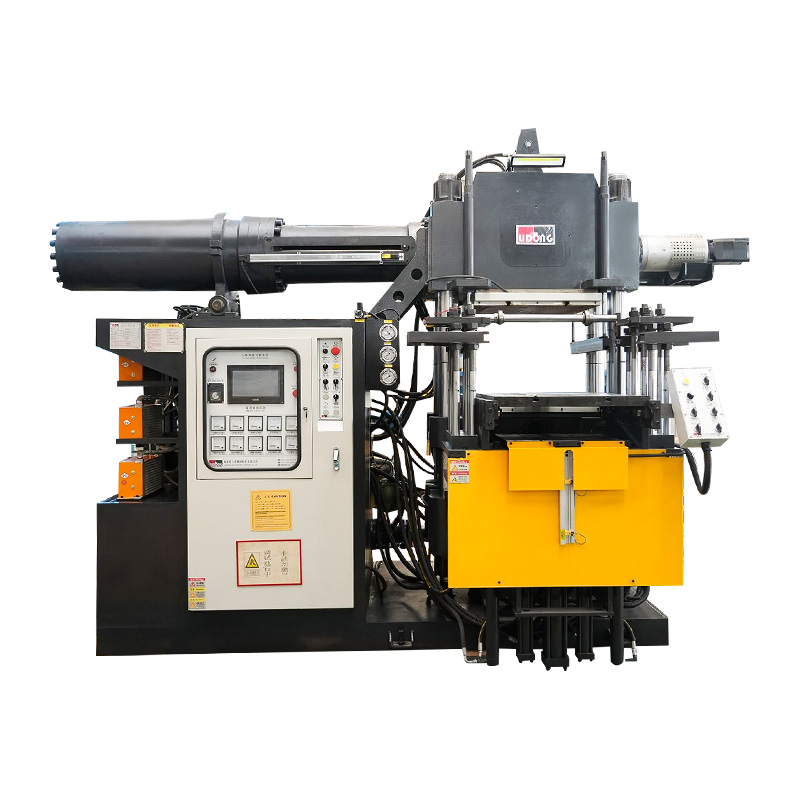
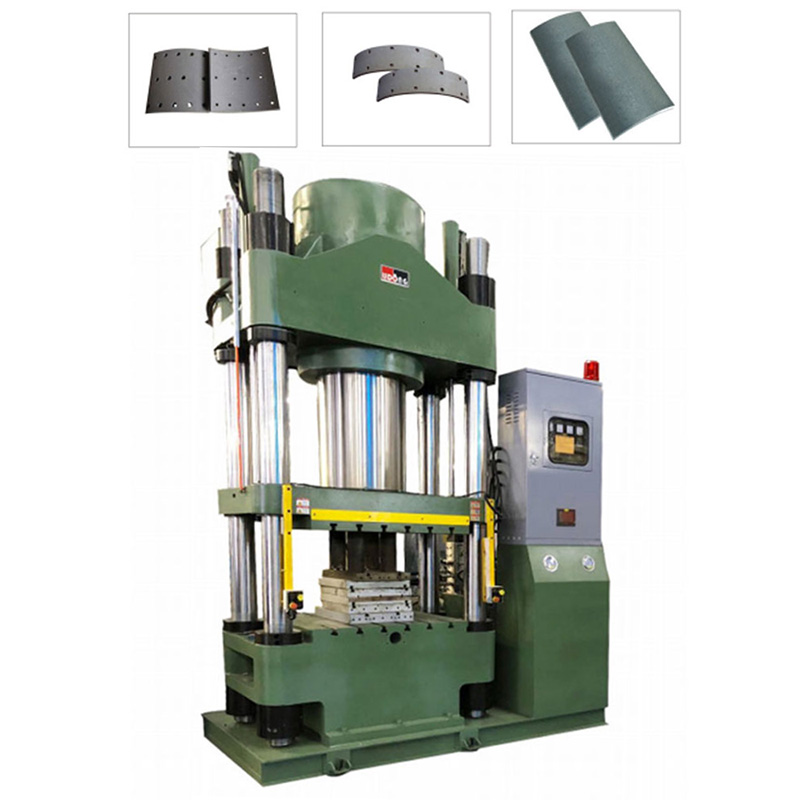
Technical Parameters
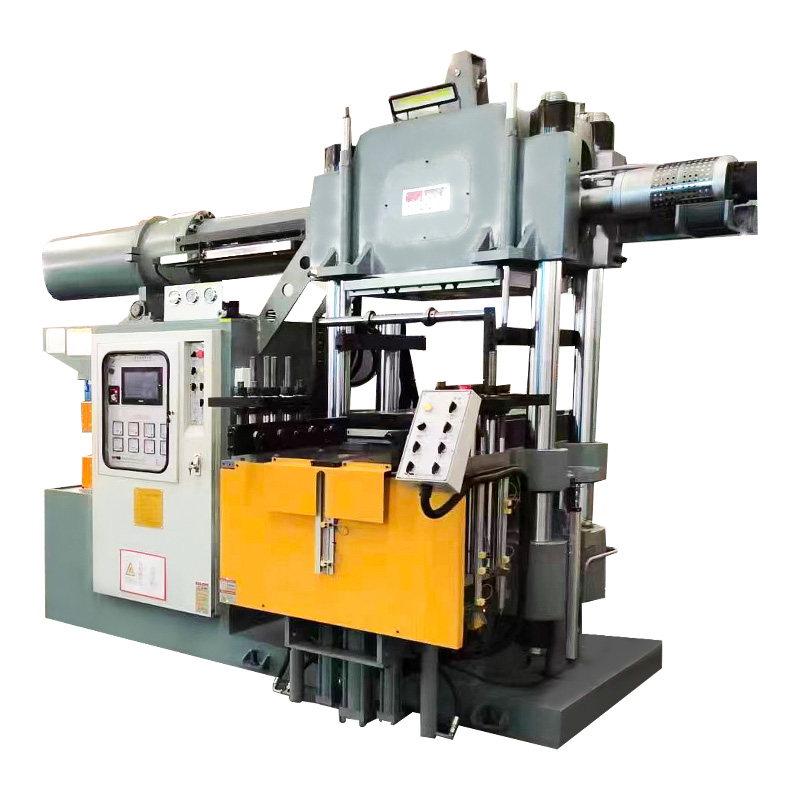
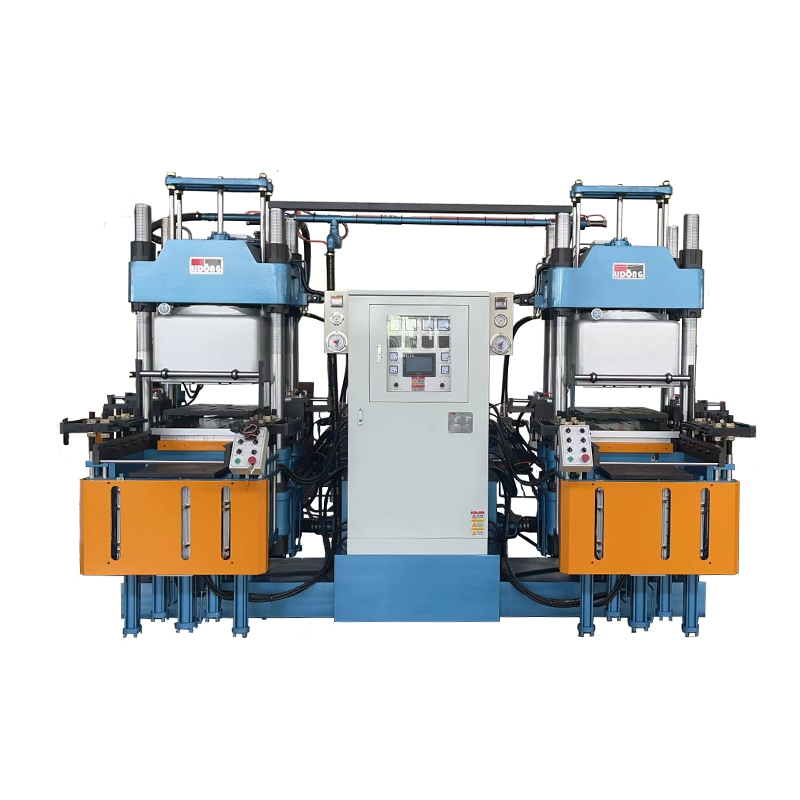
The table lists typical configurable values that influence cycle time on a rubber injection machine. Final figures depend on your part, mold and compound, and are confirmed in the technical agreement.
| Parameter | Typical Range | Effect on Cycle Time |
|---|---|---|
| Clamping force | 100 - 600 tons | Enough force avoids flash and re-work |
| Mold open and close speed | Fast travel with soft final approach | Shortens dry cycle without damaging the mold |
| Injection speed | Adjustable in several stages | Fast fill reduces time and uses shear heat |
| Injection pressure | High pressure, often up to about 200 MPa | Helps fill thin sections quickly |
| Barrel temperature | Controlled zones, compound specific | Warm rubber enters the mold ready to cure |
| Mold temperature | Up to about 200 degrees C | Higher temperature shortens cure, within the compound limit |
| Plasticizing capacity | Matched to shot size and cycle | Next shot is ready before the mold opens |
| Ejection and discharge | Hydraulic ejection, sweeper or air blow | Quick, repeatable part removal |
| Control | PLC with touchscreen, overlapping motions | Starts steps early without collisions |
How to read the table: the cure time of the compound sets the floor of the cycle, and the machine cannot go below it. What a fast cycle machine can change is everything else: mold movement, filling, plasticizing and part removal. In many plants these steps are a large share of the cycle, so there is real room to gain.
Please send your part drawing, part weight, compound, current cure time and the cycle you use today. With this, we can give an honest estimate of the cycle on our machine and recommend the unit size.
Practical advice. Do not choose a machine only on its dry cycle time. Ask for a cycle estimate with your own part and compound, since cure time and demolding often decide the real figure.
Special Focus: Where the Cycle Time Goes and How to Cut It
Buyers get the best results when they look at the whole cycle and not only the cure time. The table shows the main steps and the measures that reduce each one.
| Cycle Step | What Takes Time | How a Fast Cycle Machine Helps |
|---|---|---|
| Mold closing and opening | Slow travel and safety delays | Staged speeds and quick, soft approach |
| Injection | Long fill of thin or complex parts | Multi-stage speed and high pressure |
| Curing | Compound chemistry and mold temperature | Higher mold temperature and warm injected rubber |
| Plasticizing | Waiting for the next shot | Plasticizing during the cure, overlapped with other steps |
| Part removal | Manual picking or sticky parts | Automatic ejection, sweeper and air blow |
| Mold cleaning or spraying | Manual work between cycles | Timed air blow, optional release agent spray |
Limits and trade-offs:
- Scorch risk. Faster injection and higher temperature raise the risk of pre-curing. Compounds with a longer scorch time, and good barrel temperature control, are important.
- Compound choice. Fast-curing formulations, often with adjusted cure systems, make faster cycles possible. This is a decision with your compound supplier.
- Mold design. Thin, even sections and good venting help parts cure and fill quickly. Heavy sections cure slowly and limit the gain.
- Post-cure. Some compounds, such as FKM, need an oven post-cure, which is a separate step and must be planned so it does not become the bottleneck.
Realistic expectations. Many buyers moving from manual compression molding to injection see a clear reduction in cycle time and labor, but the size of the gain depends on the part. We do not quote a fixed percentage before we see your product.
Payback thinking. Compare the extra parts per day, the saved labor and the lower scrap with the price difference between a fast cycle machine and a standard one.
Automation and Control System
Short cycles depend on a control system that overlaps steps safely and repeats them without variation.
- Overlapping motions: plasticizing runs during the cure, and mold opening can start while the nozzle retracts, as long as sensors confirm the safe position.
- Multi-stage speed profiles: mold movement and injection follow programmable profiles for the shortest safe time.
- Closed-loop temperature control: barrel and platen zones are held tightly, so that faster cycles do not push the rubber into scorch.
- Automatic ejection and discharge: ejector, sweeper and air blow are timed to clear parts in each cycle.
- Recipe storage: every mold has its own speeds, temperatures, shot size and timers.
- Cycle time display and trend: the screen shows where time is spent in each step, so that you can find the remaining savings.
Handling and integration: the machine can be linked to a conveyor, a counting unit, a deflashing station or a robot. For molds that need release agent, a spray unit can be added with a timed sequence.
For multi-machine plants, the control can be prepared to send production data to your factory system, if you permit it.
Operator view. The touchscreen shows the active recipe, the step in progress and the time each step took. Plain-language alarms reduce downtime, and passwords protect settings. An English manual and training material are provided.
Tuning tip. Change one parameter at a time and record the result. Small steps, such as a few seconds less on mold open time, add up and are easy to reverse if quality suffers.
Changeover tip. Name each recipe after the mold number and part code, so any operator can recall the right settings quickly. Keep a printed sheet of the best known cycle for each mold near the machine, so that new staff start from proven values and not from guesses.
Structure and Materials
Fast cycles mean faster movement, more starts and stops and more heat cycles, so the machine structure must be stiffer and more durable than a slow one.
| Component | Design and Material | Purpose |
|---|---|---|
| Machine frame | Heavy welded or cast structure, stress relieved | Stays rigid under fast, repeated loading |
| Platens | Alloy steel, ground flat, with zoned heating | Even and quick heat-up, accurate mold faces |
| Guides | Hardened, wear-resistant, adjustable | Smooth, aligned motion at higher speed |
| Clamping system | Direct hydraulic or toggle type, by size | Fast and repeatable closing |
| Injection unit | Hardened screw, barrel and plunger | Fast, stable plasticizing and shots |
| Hydraulic system | Servo pump or accumulator, filtered and cooled | Quick response and smooth speed changes |
| Insulation | Boards on platens, shields near guides | Lower heat loss and protection of moving parts |
Detail that matters: fast mold motion creates shock if the end of travel is not controlled. We use cushioning, soft approach profiles and strong end stops, so that the machine and the mold are not damaged over time. Wear parts such as guide bushings and seals are designed for quick replacement.
Faster heating and cooling cycles also stress platen welds and fasteners. We use stress-relieved frames, quality fasteners and proper platen supports, and we check them at the factory.
Hydraulic oil temperature. Fast cycles heat the oil. A well-sized cooler and a clean filter keep viscosity stable, which keeps speed consistent from morning to evening.
Maintenance. Check guides, cylinder seals, hoses and fasteners at planned intervals, and clean the area near the mold. A short checklist for each shift keeps the machine in condition. Before shipment, each machine is run under load with a test mold at full cycle speed.
Safety and Energy Efficiency
Fast machines move quickly, so protection of operators and equipment must be reliable and tested.
- Safety doors or light curtains at the mold area, interlocked with mold movement and injection
- Emergency stops at the operator station and at the rear of the machine
- Soft stops and end-of-travel protection on fast moving axes
- Hydraulic overpressure protection with relief valves and pressure sensors
- Independent over-temperature protection on barrel and platen zones
- Nozzle guards and warning labels on all hot areas
Handling advice: keep mold changes slow and controlled, even on a machine built for speed. Use lifting aids, wear heat-resistant gloves and clothing, and never reach into the mold area when the machine is in automatic mode. Provide ventilation for vapors from hot rubber.
Energy efficiency: a servo or variable-speed pump uses power mainly while the machine moves, and an accumulator can supply peak flow for fast motions without a very large motor. A shorter cycle means the mold stays hot and the machine produces more parts per kilowatt-hour, while good insulation lowers heat loss. Less scrap and fewer reworked parts also save material and energy.
Tell us your working hours and local power price, and we will compare options in the quotation.
Training and records. Keep a log of safety checks, nozzle cleaning and oil changes. A monthly test of emergency stops, doors and over-temperature cut-offs takes little time and keeps the machine dependable.
Fume and housekeeping. Local ventilation above the mold area and a tidy floor reduce vapor exposure and slip risks. Keep release agents and cleaning solvents away from hot surfaces and follow the supplier's safety data sheets. Collect purge waste in a metal bin and remove it regularly, since hot rubber scrap stays warm for a long time and can cause burns or smoke if left in a pile.