English
 عربى
 中文繁体

Rubber is the most widely used material for automotive components such as anti-vibration pads, vibration damping mounts, skeleton oil seals, and various automotive rubber parts. Rubber elasticity is central to achieving vibration damping and sealing performance, while temperature is the primary environmental factor influencing rubber's overall performance and service life. Different rubber compounds behave drastically differently under extreme high and low temperature conditions, making temperature resistance a critical consideration in material selection and manufacturing for rubber product manufacturers.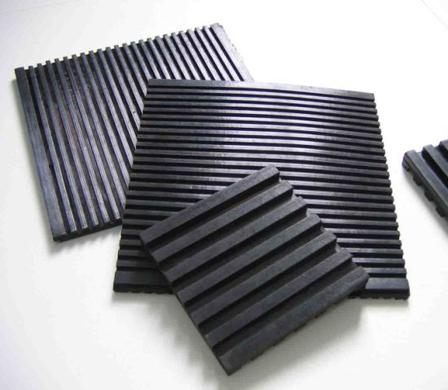
Effects of Low Temperature on Rubber
At low temperatures, internal molecular motion within the rubber slows down, causing the material to harden and leading to a significant drop in flexibility and elasticity. When the temperature drops below the glass transition temperature, the rubber transitions from an elastic state to a rigid, glassy state. For rubber vibration-damping pads operating in freezing conditions, this poses severe operational risks: the product loses its engineered damping capability and becomes highly susceptible to cracking under repeated dynamic impact loads.
Effects of High Temperature on Rubber
High temperatures introduce another set of challenges. Elevated temperatures accelerate molecular motion and oxidative aging, causing the rubber to soften, lose hardness, and undergo compression set deformation. Under prolonged compression coupled with high heat, rubber loses its ability to rebound to its original elasticity, resulting in permanent deformation and total failure of its vibration-damping function. Continuous exposure to elevated temperatures also accelerates thermal aging, triggering surface crazing, blooming, reduced tensile strength, and degraded tear resistance.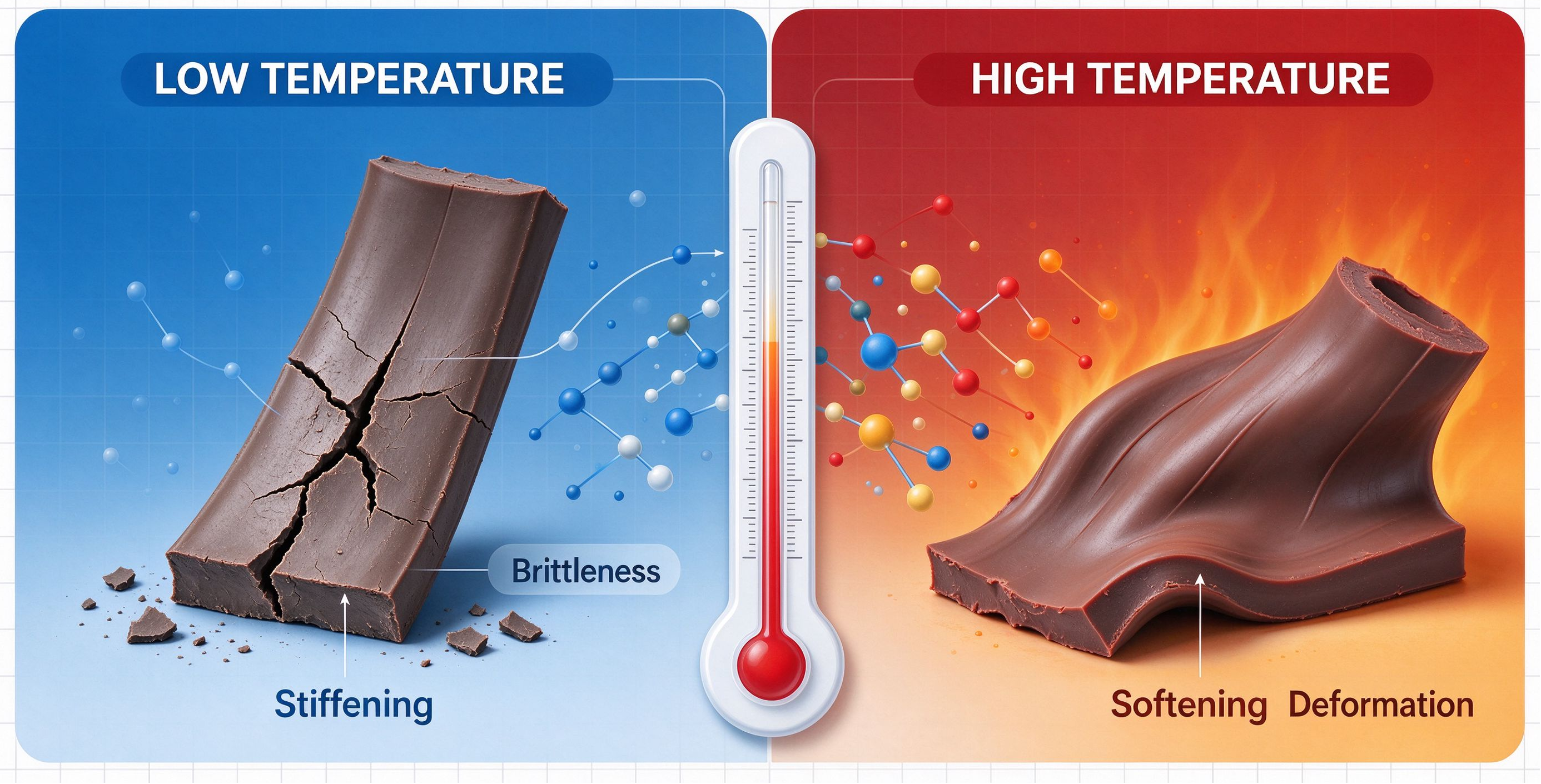
Damage Induced by Thermal Cycling
Alternating cycles of hot and cold environments are often significantly more destructive than constant high or low temperatures alone. Repeated thermal expansion and contraction cause continuous internal stress buildup within the rubber, accelerating fatigue damage and drastically shortening product lifespan.
How to Achieve Stable Temperature-Resistant Performance in Rubber Products
Selecting the appropriate rubber polymer tailored to the product's operating temperature range is essential—heat-resistant compounds should be chosen for high-temperature duties, and low-temperature compounds for cold environments. However, formulation alone is far from sufficient; stable and uniform mold temperature control during the vulcanization and molding process is equally critical. Non-uniform mold heating results in inconsistent cross-linking across the rubber matrix, leading to wide variations in elasticity, poor compression set characteristics, and unstable temperature resistance in finished parts.
Delidong's Rubber Molding Solutions
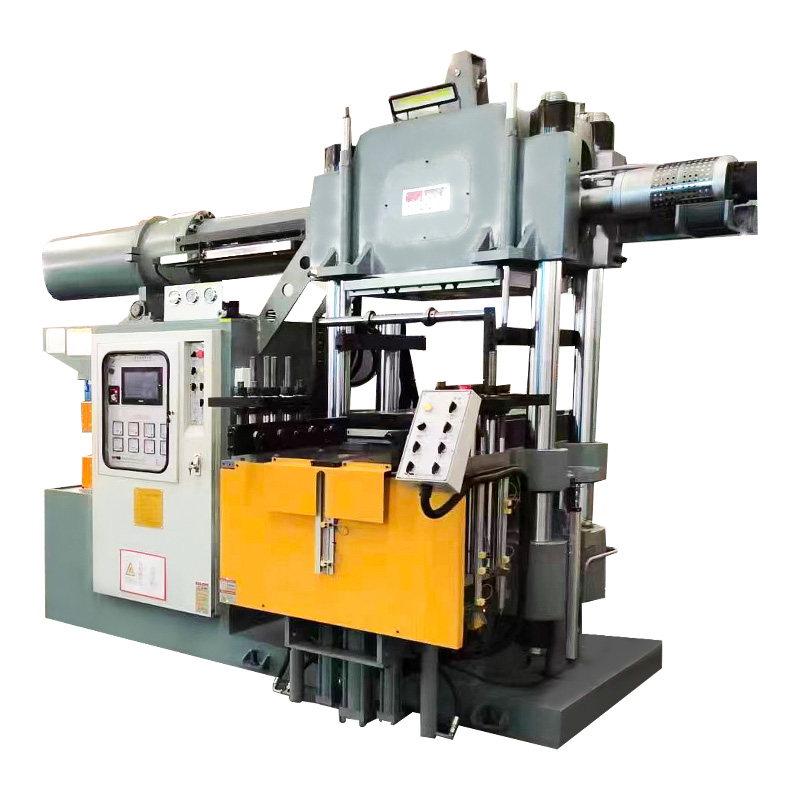
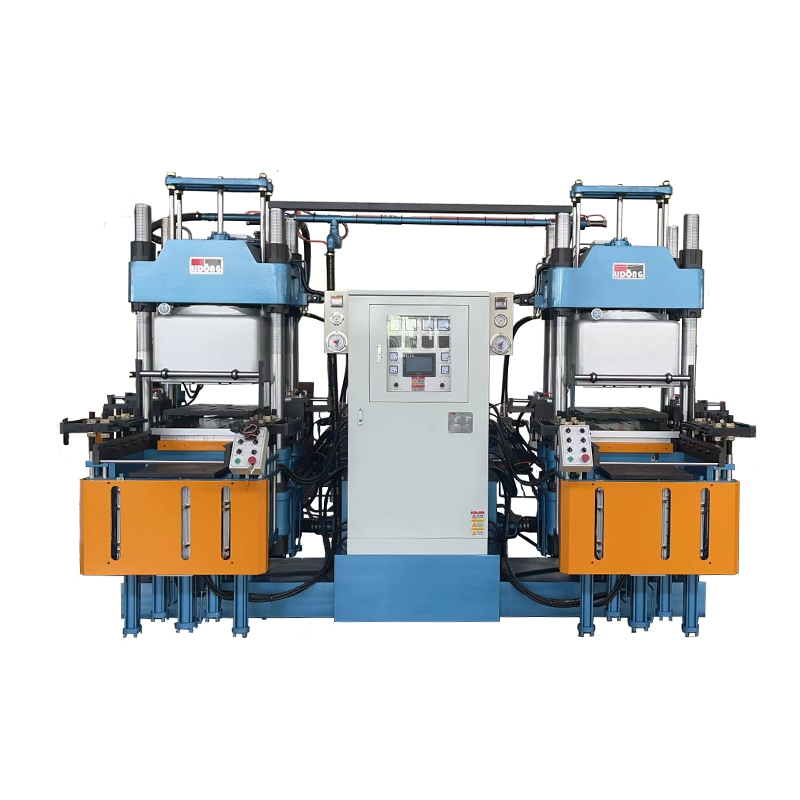
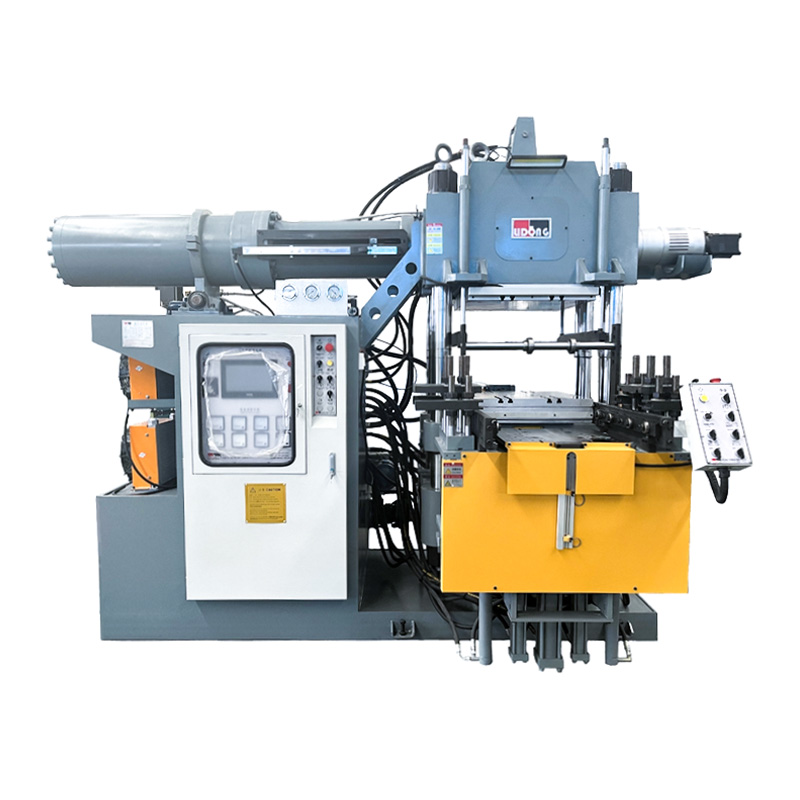
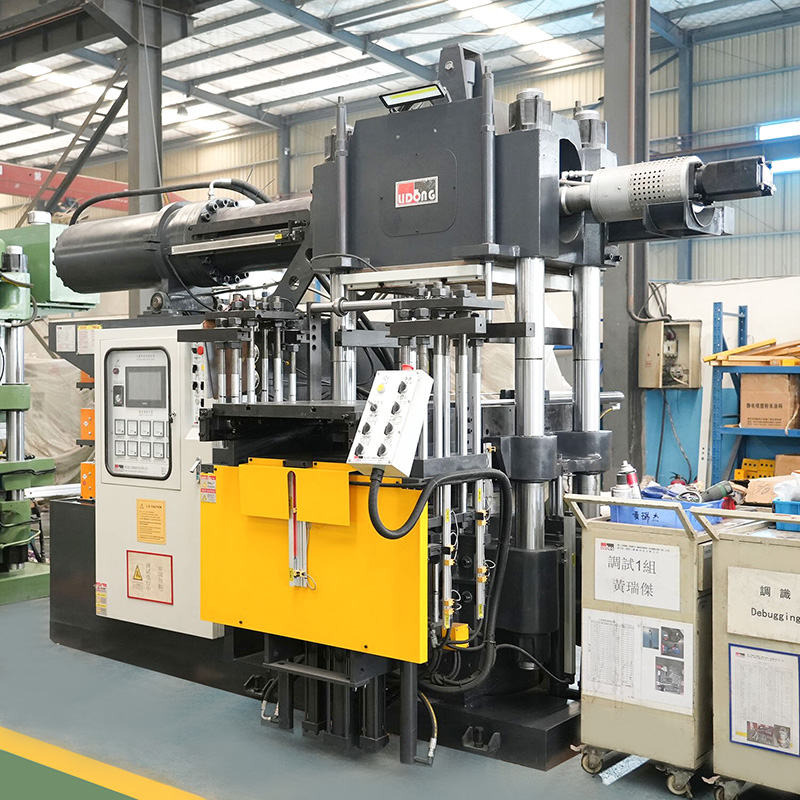
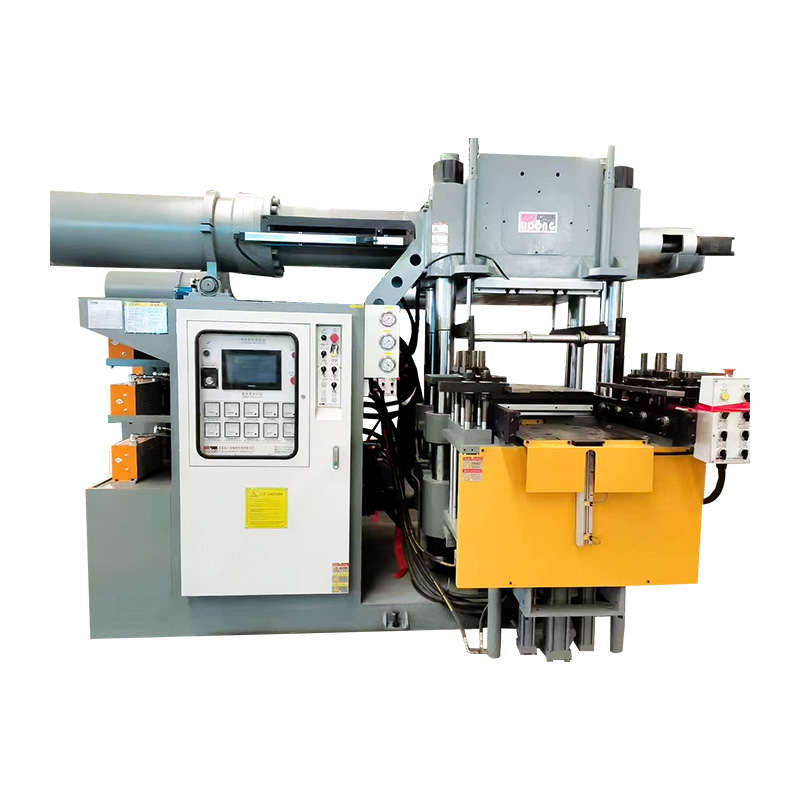
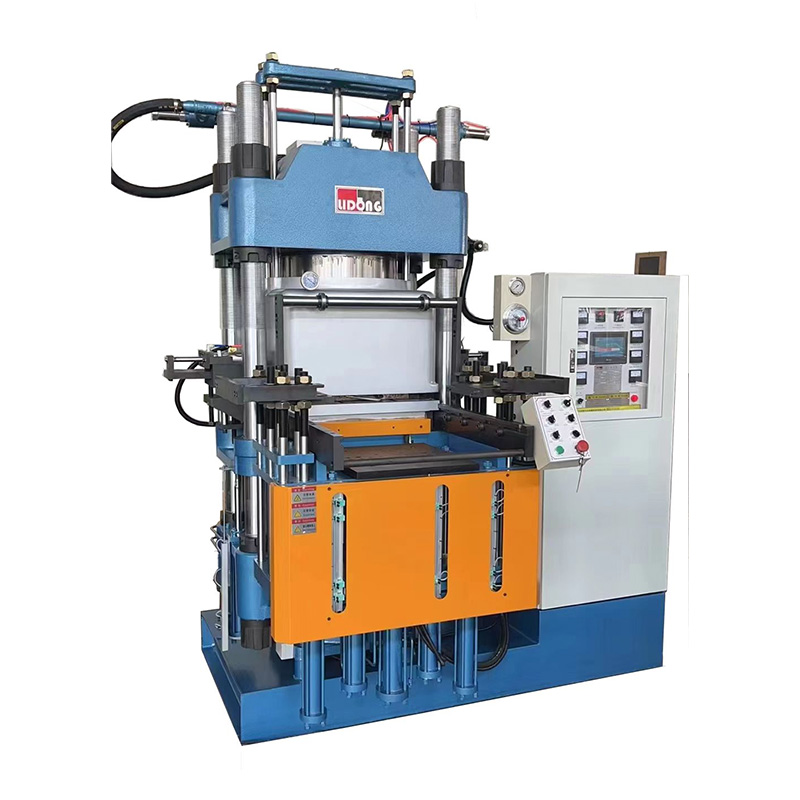
Ningbo Delidong Machinery Technology Co., Ltd. is a National High-Tech Enterprise and a member unit of the China Rubber Industry Association, dedicated to the R&D and manufacturing of advanced rubber molding equipment. Our rubber injection machines and vacuum vulcanizing presses feature a precision three-zone mold temperature control system. This system ensures even and stable mold temperatures throughout the entire vulcanization cycle with accurate thermal regulation, guaranteeing that your vibration isolation pads, oil seals, and automotive rubber components maintain consistent elasticity, low compression set, and reliable temperature resistance, while significantly reducing defective parts caused by uneven heating.
Furthermore, Delidong's servo energy-saving rubber machinery spans clamping forces from 5 tons up to 5,000 tons, accommodating a diverse spectrum of elastomers including Natural Rubber (NR), Nitrile Rubber (NBR), EPDM, and Silicone Rubber. Whether you manufacture anti-vibration pads, oil seals, or custom molded rubber components, our engineering team can recommend the optimal machine model and molding process parameters tailored to your products' real-world operating temperature conditions.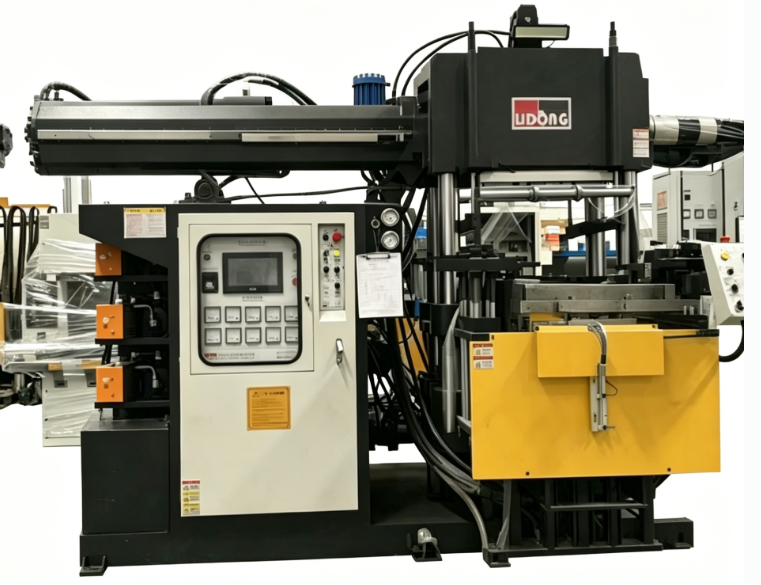
Conclusion
Understanding how temperature affects rubber performance is essential for selecting the right compound and optimizing production processes. If you are facing quality hurdles in rubber manufacturing—such as premature aging, unstable compression set, or failure to meet temperature ratings—Delidong provides specialized, full-process molding solutions. We welcome you to contact our team to discuss your rubber production projects.