English
 عربى
 中文繁体
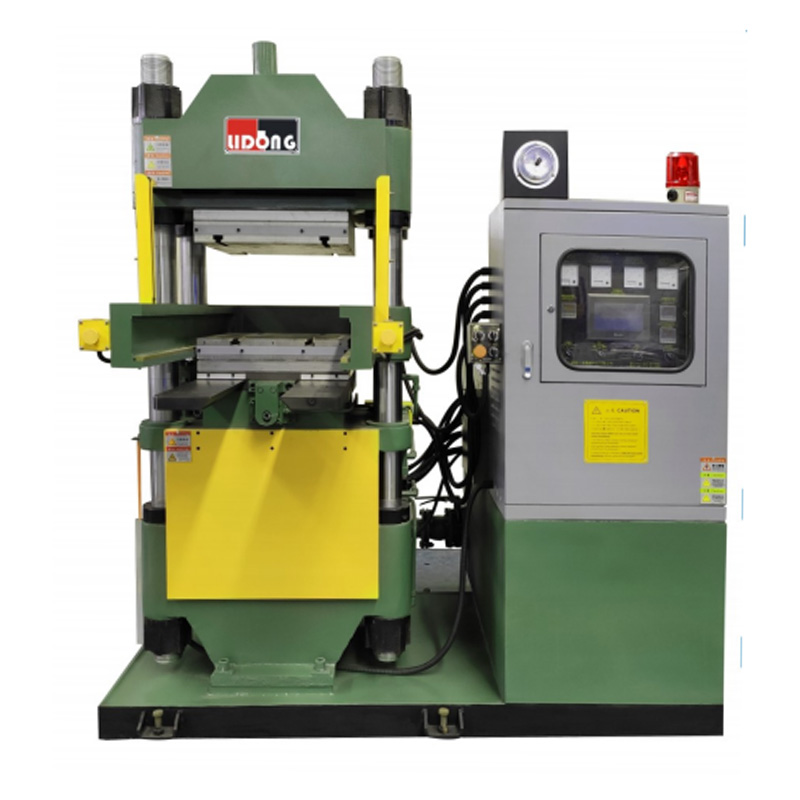
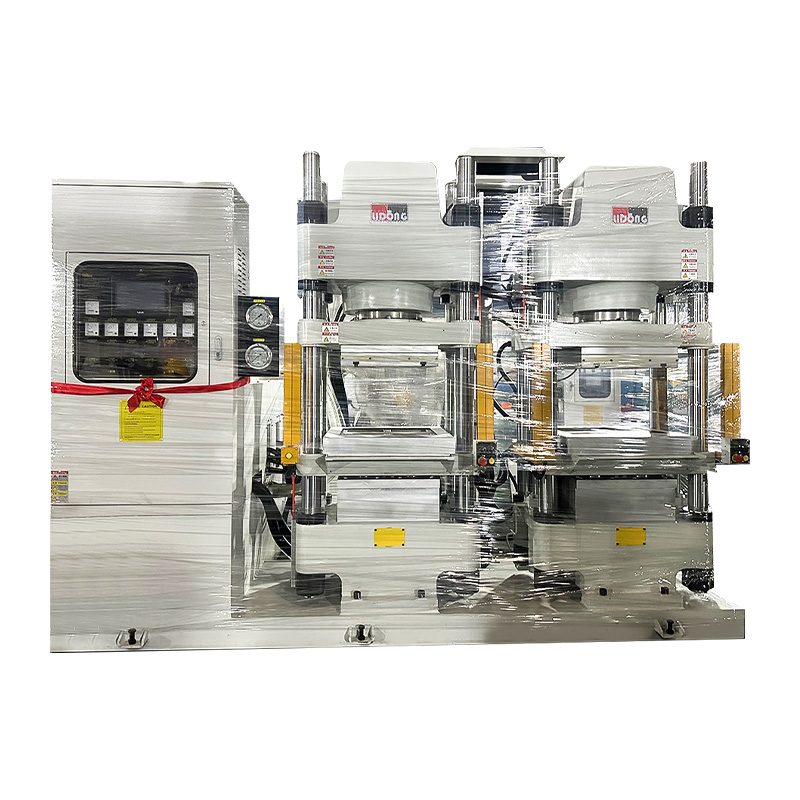
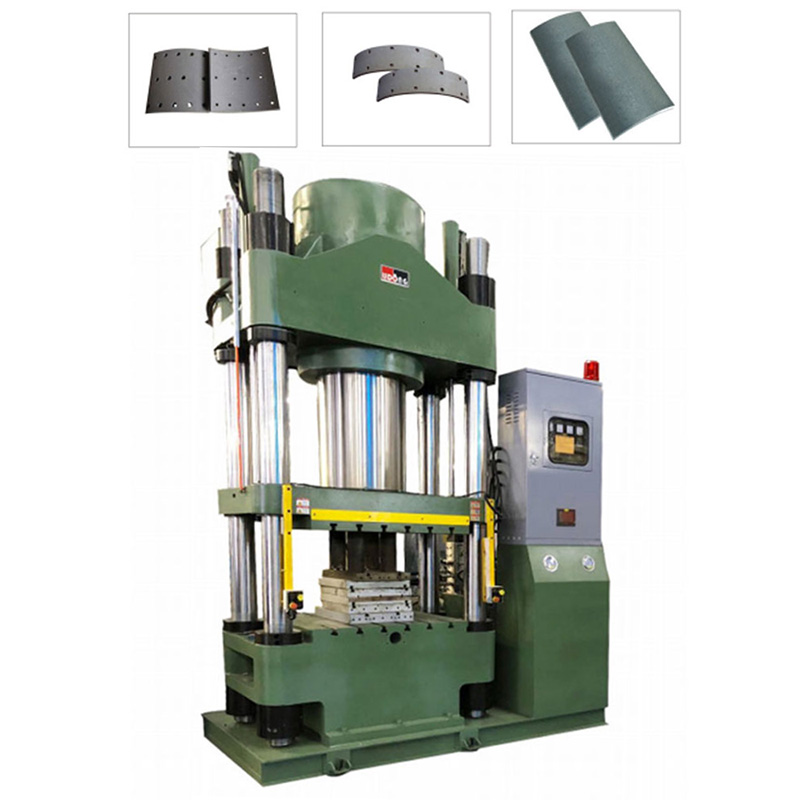
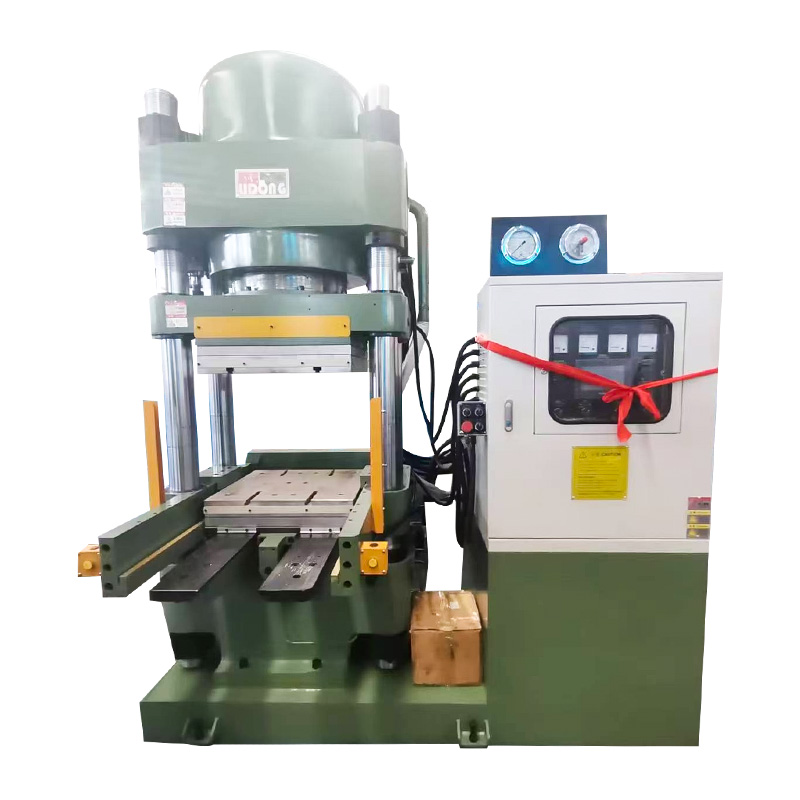
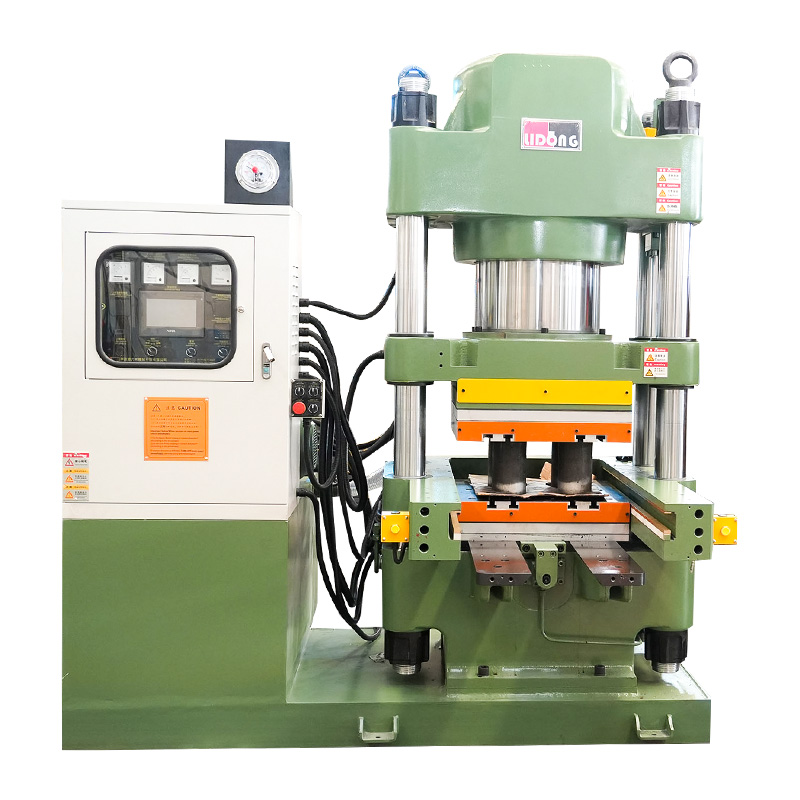
Technical Parameters
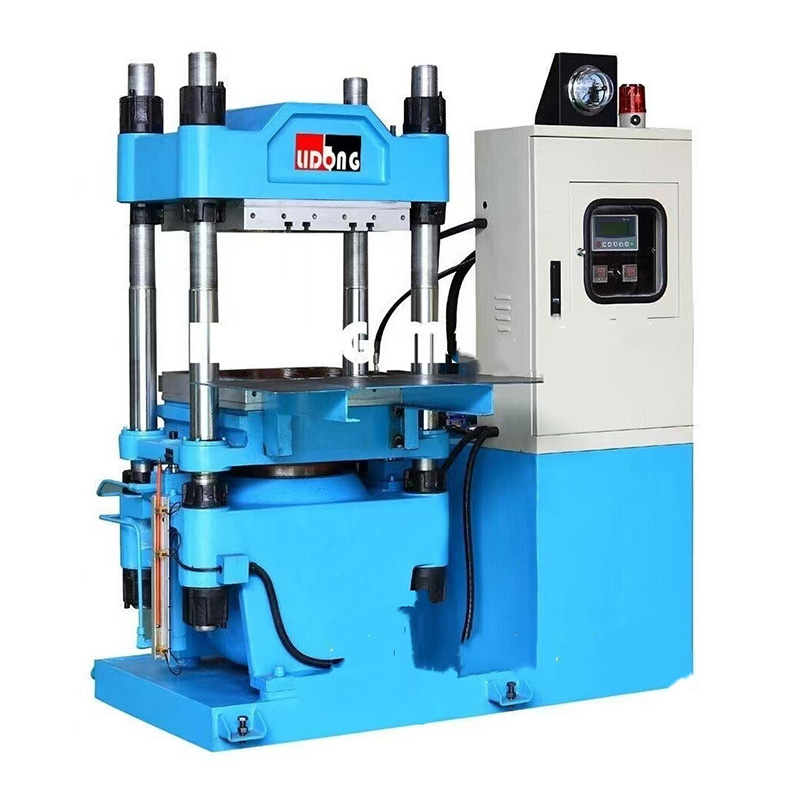
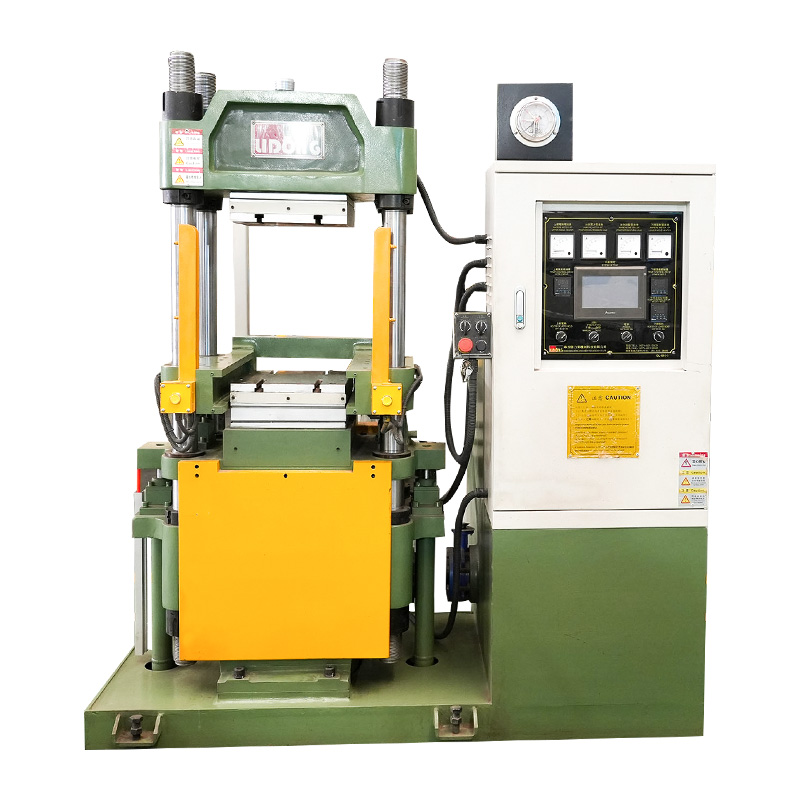
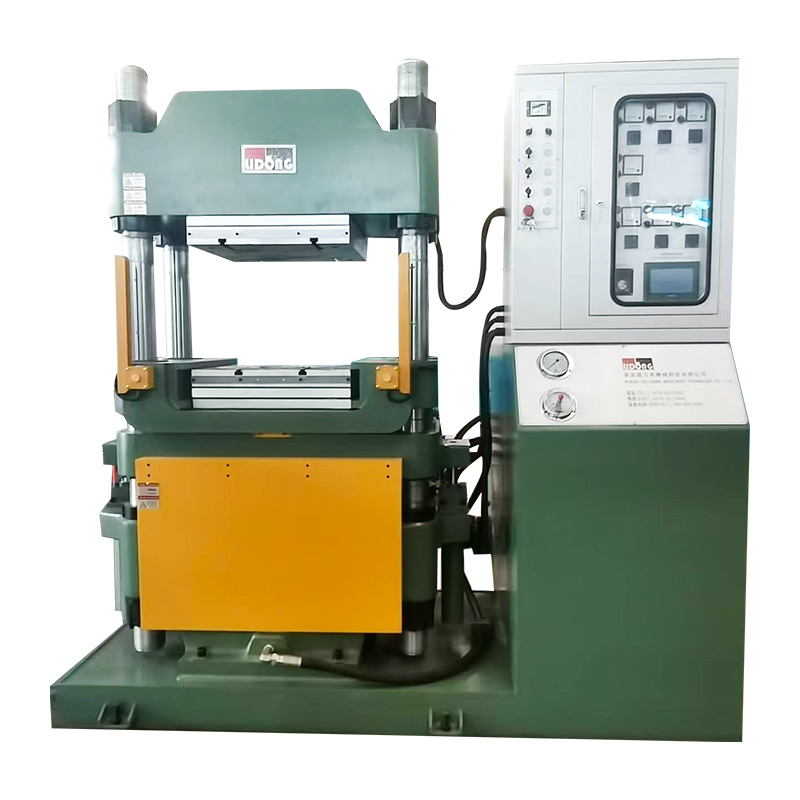
The table lists typical configurable values for friction material preforming presses. Final specifications depend on your pad size, formulation and output target, and are confirmed in the technical agreement.
| Parameter | Typical Range | Relevance to Preforming |
|---|---|---|
| Pressing force | About 30 - 300 tons | Preform pressure is much lower than hot pressing pressure |
| Preform pressure | Set by formulation, often a fraction of final pressure | Gives handling strength without damaging fibers |
| Table size | About 300 x 300 mm to 800 x 800 mm | Fits single or multi-cavity preform dies |
| Heating | Normally unheated, with cooling option | Prevents early resin reaction and sticking |
| Fill depth control | Adjustable lower punch or feeder volume | Sets preform weight |
| Stroke control | Position sensing with accurate stop | Consistent preform thickness and density |
| Cycle time | Short, often a few seconds to tens of seconds | Keeps pace with several hot presses |
| Ejection | Hydraulic or mechanical, gentle | Protects fragile preforms |
| Weight check (option) | Online scale or sampling station | Fill accuracy and records |
| Control | PLC with touchscreen, recipe lock and data storage | Repeatable preforms and records |
How to read the table: preforming presses are simpler than hot presses, but fill control, stroke control and temperature management decide whether they help or not. As a simple example, a preform with a pressing area of about 60 square centimeters at 20 MPa needs roughly 12 tons, so a die with twelve cavities suggests a press of around 150 tons. Pressure levels depend entirely on the formulation.
Preforms must be strong enough to be handled and loaded, but not so dense that they cannot consolidate properly in the hot mold, or that the resin and fibers are damaged. Finding this balance takes trials with your own mix. Please send your pad drawings, formulation type, hot press cavity layout and output target, and we will recommend a die concept, press size and handling.
Practical advice. Keep the room temperature and humidity stable around the preforming press. Resin and moisture change the behavior of the mix, and a small change in the workshop can change preform quality.
Special Focus: When Preforming Helps, and When It Does Not
Preforming adds a step, a machine and some handling, so it should pay for itself. The table compares loading loose mix with loading preforms.
| Point | Loose Mix in the Hot Mold | Preform in the Hot Mold |
|---|---|---|
| Fill weight accuracy | Depends on manual or volumetric filling | More consistent, weight set by the preform die |
| Dust in the workshop | High during filling | Much lower during loading |
| Mold depth needed | Deep, to hold the fluffy mix | Shallower, closer to the final thickness |
| Trapped air | More, so longer degassing | Less, so shorter degassing is possible |
| Loading time | Longer for careful filling | Faster, preforms are dropped in |
| Extra equipment and steps | None | Preforming press, handling and storage |
| Risk | Fill variation, dust | Fragile or sticky preforms, resin aging during storage |
Points that decide whether preforming pays back:
- Formulation. Mixes with long fibers and low bulk density benefit the most. Some very dense or very sticky mixes are easier to load loose.
- Pad shape and thickness. Thick pads and deep molds gain a lot, because preforms cut the mold depth and the air.
- Volume. High-volume lines gain more from faster loading, while very small batches may not justify the extra step.
- Storage time. Preforms should be used soon, because the resin ages and moisture changes. Plan the flow so that preforms do not wait long.
- Mix preparation. Preforming does not cure the resin. Cold pressing must be done below the temperature at which the resin begins to react.
Some factories also preform to the exact pad shape and weigh each preform, which supports density control in the hot press. Our uniform density brake pad press page describes the wider picture, and our friction material compaction press page covers higher-pressure compaction.
Honest advice. Test with a small die first. Compare scrap, density scatter, dust and cycle time with and without preforms, and decide on data rather than on opinion.
Automation and Control System
A preforming press runs short cycles at a high rate, so the control system should keep fill and pressing exact and make the work easier for operators.
- Recipe memory and lock: fill depth, pressing pressure, dwell, ejection speed and stroke limits are stored for each preform type.
- Position-based stroke control: an accurate stop and position sensing keep preform thickness and density repeatable.
- Controlled pressure profile: a gentle approach lets air escape from the loose mix before full pressure is applied.
- Controlled ejection: slow, supported ejection protects fragile preforms.
- Weight check (optional): an online or sampling scale confirms preform weight, with alarms outside the set limits.
- Counters and records: output counters and cycle data such as pressure, stroke and time can be stored and exported if you permit it.
Handling and automation: the preforming press works best as part of a flow. A mix feeder, an automatic fill system, a conveyor or tray system that keeps preforms in order and a transfer device to the hot press can be added in stages. Dust extraction at the feeding point keeps the workshop cleaner and the mix drier.
Operator view. The touchscreen shows the active recipe, pressure, stroke and counters. An English manual and training material are provided, and remote support is available when your technician sets up a new die.
Setup tip. Check the first preforms for weight, thickness and edge quality after every die change, and keep the results with the recipe name. Loose edges or cracks usually mean the pressure rise is too fast or the mix is too dry.
Structure and Materials
A preforming press is a robust, simple machine built for many cycles per hour with an abrasive and dusty material.
| Component | Design and Material | Purpose |
|---|---|---|
| Press frame | Welded steel structure, stress relieved | Rigid base for many cycles per hour |
| Main cylinder | Quality seals, position sensor | Smooth force and accurate stroke |
| Table and die holder | Ground steel, quick-change fixing | Fast die changes |
| Guide system | Hardened, wear-resistant, adjustable | Accurate alignment of punch and die |
| Fill system | Hopper, feeder or adjustable lower punch | Accurate preform weight |
| Ejection system | Hydraulic or mechanical, controlled speed | Gentle release |
| Hydraulic station | Filtered and cooled, with servo option | Quick cycles with lower energy use |
| Covers and dust extraction points | Enclosed fill and press area | Cleaner workshop and drier mix |
Detail that matters: friction mix contains abrasive fillers and fibers. Surfaces in contact with the mix wear over time, so we use hardened punches and dies, and we design them for easy replacement. Wipers and covers protect guides and sensors from dust.
Cool operation: because the press works cold, heat from hydraulics or the workshop should not warm the mix. Oil cooling and good ventilation help, and the fill hopper should not sit near heat sources.
Maintenance. Clean the die and table at fixed intervals, since resin and fiber residues build up, keep guides lubricated, check cylinder seals and sensors, and change hydraulic oil and filters according to the manual. Inspect punches and dies for wear and keep spares ready.
Before shipment, each press is run under load, and pressure control, stroke accuracy, alignment and safety functions are checked.
Safety and Energy Efficiency
A preforming press works at high speed with a dusty material, so safety planning covers both moving parts and dust.
- Emergency stop at the operator position and at the loading side
- Light curtain or guard doors connected to the PLC, so the press cannot move while hands are in the working area
- Hydraulic overpressure protection with a relief valve and pressure monitoring
- Die guards against ejected fragments and trapped fingers
- Dust extraction connections at the feeding and pressing area
- Safe die handling with lifting points and carts
Handling advice: friction mix is dusty and may contain materials that are harmful to breathe. Provide dust extraction at feeding and pressing, keep the floor clean using suitable vacuum equipment and not compressed air, wear suitable respiratory protection according to local rules and follow the safety data sheets of your materials. Some fine mixes can be combustible when dispersed in air, so control ignition sources and ground equipment where needed. Never reach into the die area when the press is active.
Energy efficiency: because the press works cold and for short cycles, energy use is much lower than for a hot press. A servo or variable-speed hydraulic system uses power mainly while the press moves, which suits many short cycles. The larger energy saving usually comes in the hot press, where compact preforms reduce degassing time and scrap.
Tell us your working hours and local power price, and we will compare options in the quotation.
Training and records. Keep a log of safety checks, dust system checks and oil changes. A monthly test of the emergency stop, light curtain and pressure relief function keeps the press dependable.