
 English
 عربى
 中文繁体

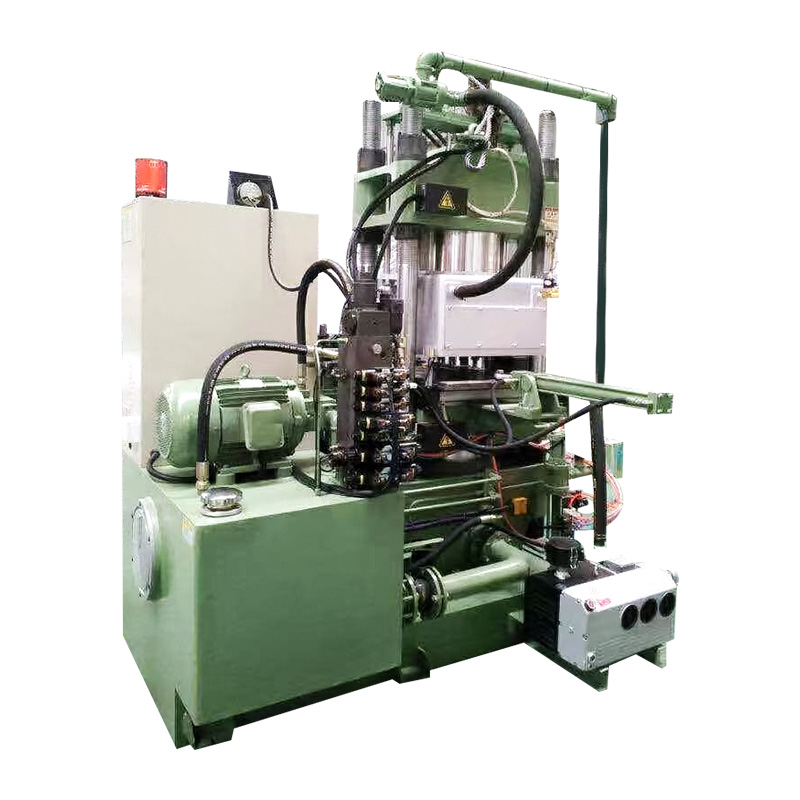
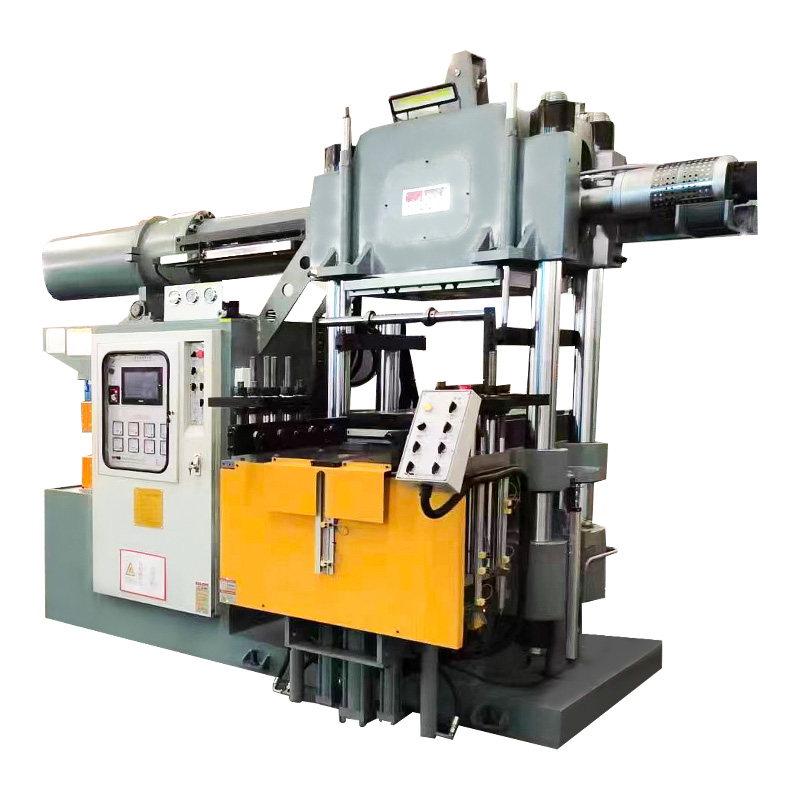
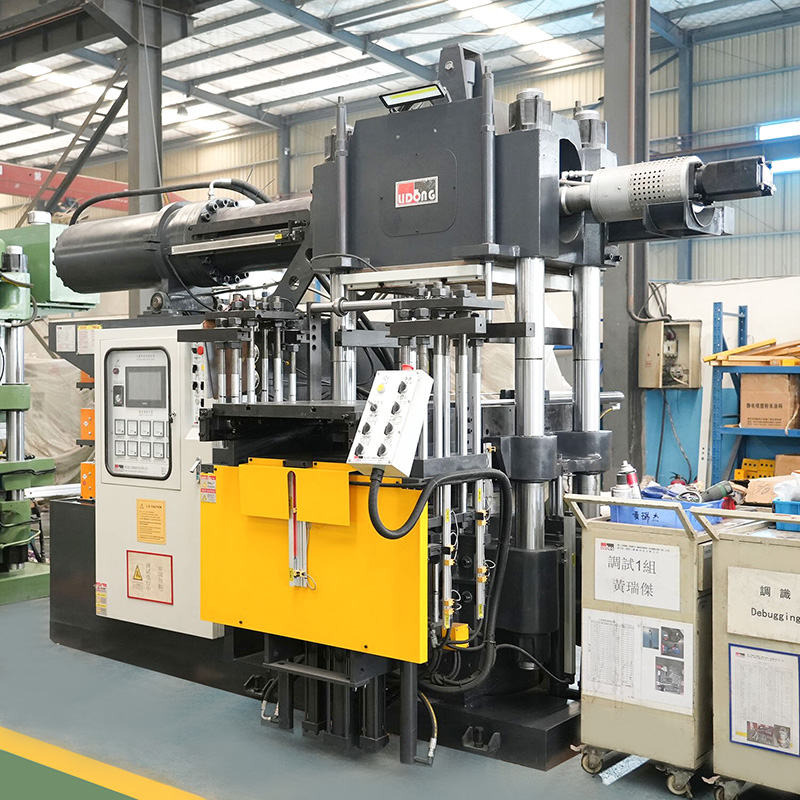
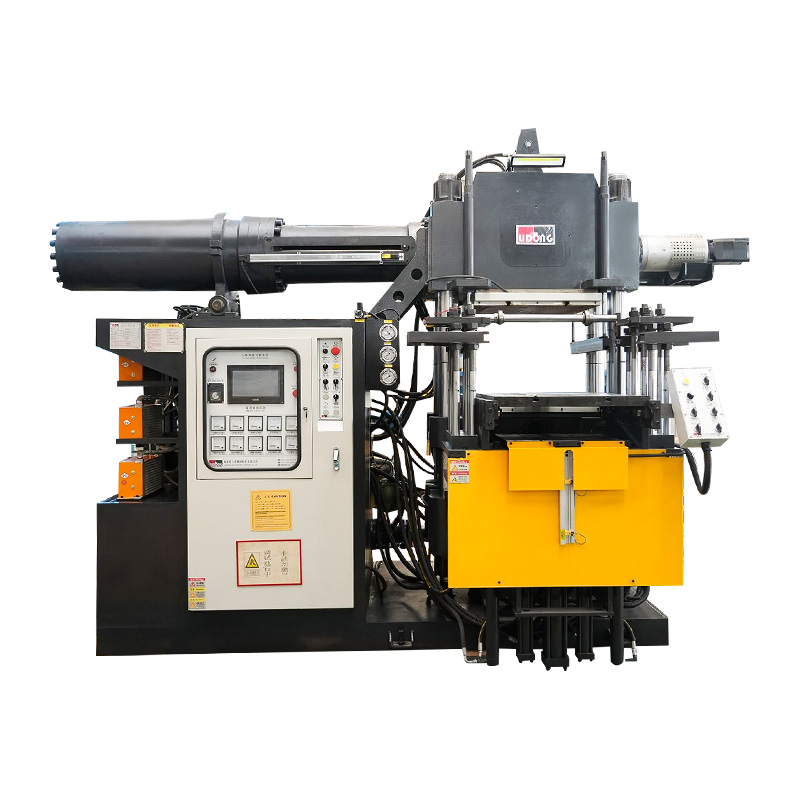
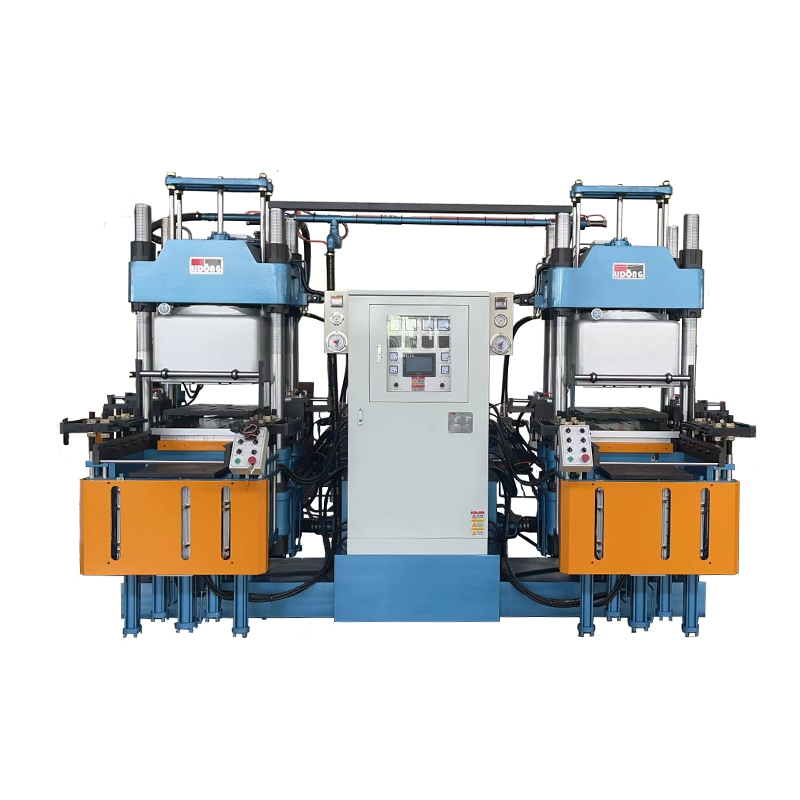
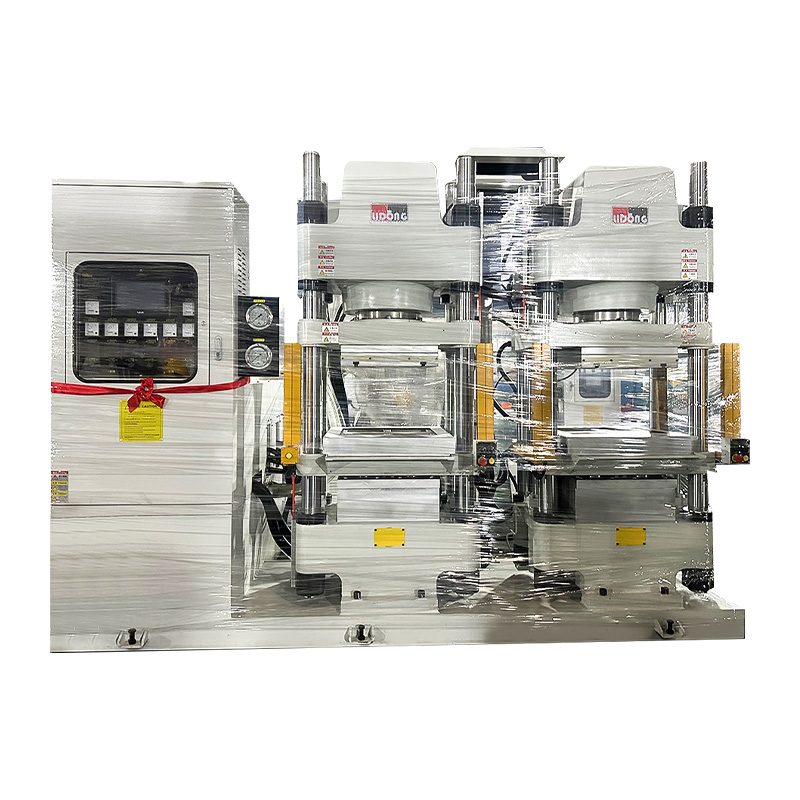
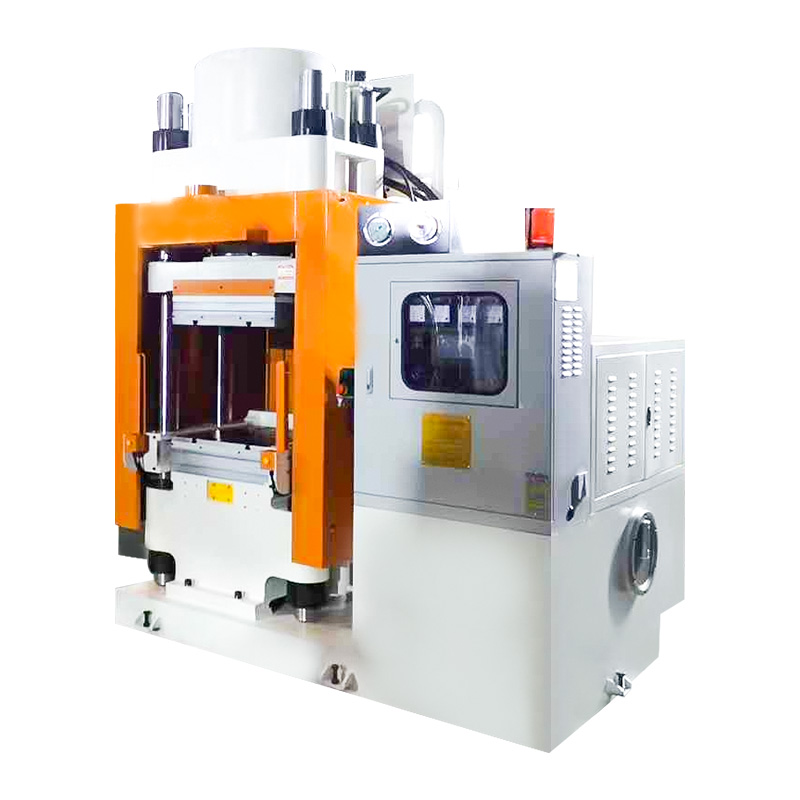
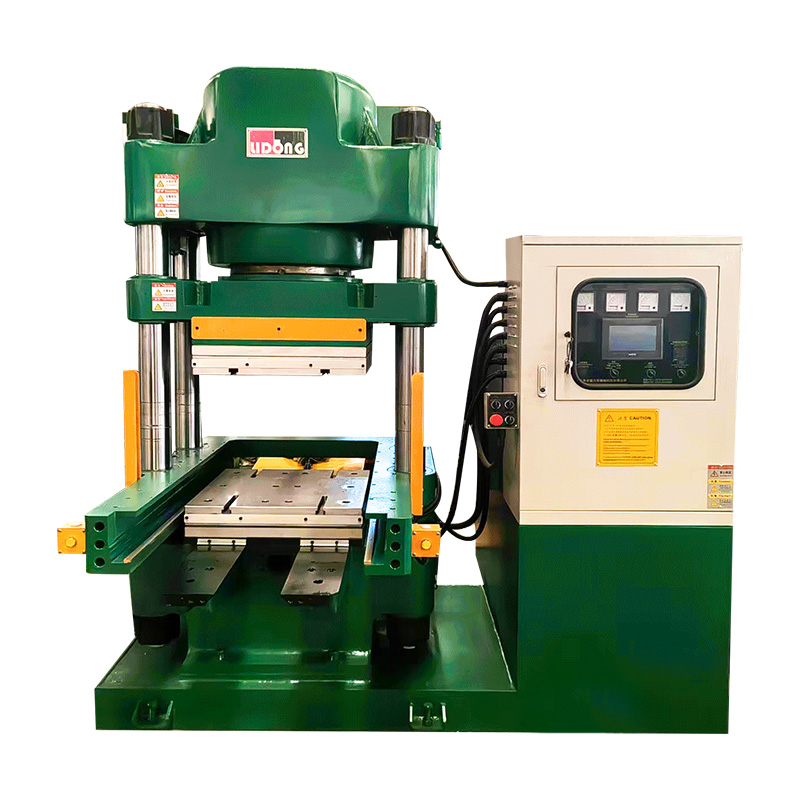
Technical Parameters
The values below are typical configurable ranges for arrester housing molding equipment. Final specifications depend on housing length, diameter and design, and are confirmed in the technical agreement.
| Parameter | Typical Range | Relevance to Arrester Housing |
|---|---|---|
| Clamping force | 100 - 800 tons | Depends on mold projected area and injection pressure |
| Mold size | Housing length from about 100 mm to over 1 m | Choose for your longest regular arrester |
| Process | Injection or compression | Chosen by volume and housing design |
| Platen temperature | Up to 200 degrees C standard | Must respect limits of internal parts |
| Temperature uniformity | About plus or minus 2 degrees C | Even cure over the whole housing |
| Injection control | Staged speed, pressure and volume | Fills sheds without damaging the active part |
| Vacuum assistance | Optional | Removes air from sheds and interface |
| Holding and handling | Fixtures for the active part | Keeps it centered in the mold |
| Control | PLC with touchscreen and recipes | Settings stored per arrester type |
How to read these figures: the key is not only maximum temperature or pressure, but precise control within a safe window. The internal assembly may be sensitive to pressure spikes and to heat, so injection speed and pressure should be adjustable in stages. Please also check how the machine holds the arrester in the mold, since movement during injection gives uneven wall thickness.
Send us the arrester drawing, housing dimensions and silicone system, and we will recommend the process, mold size, tonnage and vacuum option.
Selection steps. Define the arrester families and their largest housing size, then decide between injection and compression. Next, agree with your design team the maximum temperature and pressure the internal part can accept. Finally, set the output target to size the machine. Writing these points into the technical agreement avoids misunderstandings, and our engineers can help you complete the list.
Special Focus: Protecting the Active Part and the Interface
An arrester housing must be well bonded and fully dense without harming what is inside it. These points summarize the main considerations.
| Concern | Why It Matters | What Helps |
|---|---|---|
| Interface bonding | Moisture at the interface can cause failure | Surface preparation, primer, correct cure schedule |
| Voids in the housing | Moisture paths and weak points | Vacuum, staged injection, good venting |
| Pressure on internal parts | High pressure can damage blocks or supports | Staged and limited injection pressure |
| Heat on internal parts | Excess heat can affect components | Controlled temperature and cure time |
| Centering | Off-center parts give uneven housing thickness | Holding fixtures and gentle mold closing |
Direct molding and tube-type housings: some designs mold silicone directly over the varistor column wrapped for strength, while others use a support tube with the housing over it. The machine setup differs between them, especially in fixtures and pressure limits. Tell us which design you use, and we will adapt the handling and the control recipe.
Honest note: the allowed temperature and pressure for your active part are set by your arrester design, not by the machine. We provide the control accuracy and the staged profiles, and your engineers define the safe window. We are glad to discuss trials and to help review results.
Practical note on trials. When a new arrester design is introduced, it is wise to run trial molds with dummy or sample internals first, then measure housing thickness, check for voids and test the interface. This approach protects expensive active parts and gives data for a stable recipe. We can help plan such trials and review the results with you.
Automation and Control System
Arrester housing molding needs accurate coordination between injection or pressing, temperature and vacuum. The PLC controls the sequence and records the data.
- Staged injection: speed and pressure are programmed in several steps, starting gently and finishing with a controlled packing stage.
- Pressure limit protection: an adjustable maximum pressure stops the cycle if a set limit is exceeded.
- Temperature control: multiple zones with separate sensors for even heat, and alarms for deviation.
- Vacuum sequence: pump-down, hold and release are timed with the mold cycle.
- Recipe storage: each arrester type has saved settings for temperature, injection and cure time.
- Data logging option: records pressure, temperature and time for each cycle, to support traceability.
Handling: loading the active part into the mold, centering it and removing the finished arrester are manual in many plants, with fixtures to guide the work. For higher volume, loading racks, rotating tables or automatic handling can be added. Liquid silicone systems can use a dosing and mixing unit linked to the same PLC.
We suggest starting with a PLC injection or press machine with staged control and data recording, then adding automation as volume grows. The cabinet and frame can be prepared in advance for later expansion.
Operator view. The touchscreen shows the active recipe, temperature zones, injection stage and pressure curve, with clear alarm messages. Settings that affect part safety, such as the maximum pressure, can be locked by password. We provide a manual and training material, and remote help is available for new arrester types.
Changeover tip. Name each recipe after the arrester code, so any operator can recall the right settings quickly, and keep a printed recipe sheet near the machine.
Structure and Materials
An arrester housing machine must provide accurate pressure control and stable temperature, while holding a delicate internal assembly in position.
| Component | Design and Material | Purpose |
|---|---|---|
| Frame | Heavy welded steel, stress relieved | Stable under clamping and injection force |
| Platens | Alloy steel, ground, zone heating | Even heat and flat mold support |
| Injection unit | Screw or plunger design as specified | Accurate silicone dosing |
| Mold holding | Alignment pins and part holding fixtures | Keeps the active part centered |
| Vacuum system | Sealed chamber or mold seals, where specified | Removes air from housing and interface |
| Insulation | Boards and heat shields | Stable temperature and lower energy use |
| Hydraulic system | Quality valves, optional proportional control | Smooth and accurate pressure control |
Precision of control: proportional or servo hydraulic control gives smooth pressure changes, which is helpful when the internal parts are sensitive to spikes. We recommend this option for demanding designs.
Cleanliness: arrester housings should be free of contamination, so hydraulic parts are sealed and kept away from the molding area where possible. Smooth platen surfaces are easy to clean.
Each machine is tested for parallelism, temperature uniformity, pressure control and vacuum performance before shipment, and the results can be shared with you.
Maintenance in practice. Check injection seals, vacuum fittings and pressure sensors regularly, lubricate guides, and keep platens clean. Pressure sensors should be calibrated periodically, since pressure limits protect your internal parts. Wear parts are designed for easy replacement, and we supply spare sets with the machine.
Foundation and installation. A level, strong floor keeps platens parallel. We supply a foundation and layout drawing with each order, including space for the hydraulic station and the cabinet, so your team can prepare in advance.
Safety and Energy Efficiency
Arrester housing machines combine high temperature, pressure and injection of hot material, so safety needs close attention.
- Emergency stop at operator and loading positions
- Light curtain or guard doors connected to the PLC
- Hydraulic overpressure protection with relief valve and monitored sensor
- Injection pressure limit that protects both machine and internal assembly
- Independent over-temperature protection on each zone
- Insulated hot surfaces and warning labels
Handling advice: molds and arrester assemblies can be heavy and hot. Use lifting aids and fixtures, wear heat-resistant gloves and protective clothing, and keep walkways clear. Silicone curing can release vapors, so ventilate the area and follow the supplier's safety data.
Energy efficiency: insulation and PID control reduce heat use. A variable-speed hydraulic system saves power during holding. A stand-by temperature function reduces energy during breaks. Because each rejected arrester housing may carry the cost of the internal active part as well, reducing scrap is the largest saving of all, and stable pressure and temperature help directly.
Training and records: keep a log of safety checks, sensor calibration and oil changes. A monthly test of emergency stops, light curtains and over-temperature cut-offs takes little time. We can provide an English checklist that you can adapt.
Commissioning safety check. After installation, test every emergency stop, light curtain, interlock and the injection pressure limit together, and record the results. Repeat the tests after maintenance. A short written checklist helps new staff learn the safe routine.
Fume control. Local ventilation above the press and near the post-cure area keeps the air cleaner. We can leave mounting points on the frame for an exhaust hood.







