English
 عربى
 中文繁体

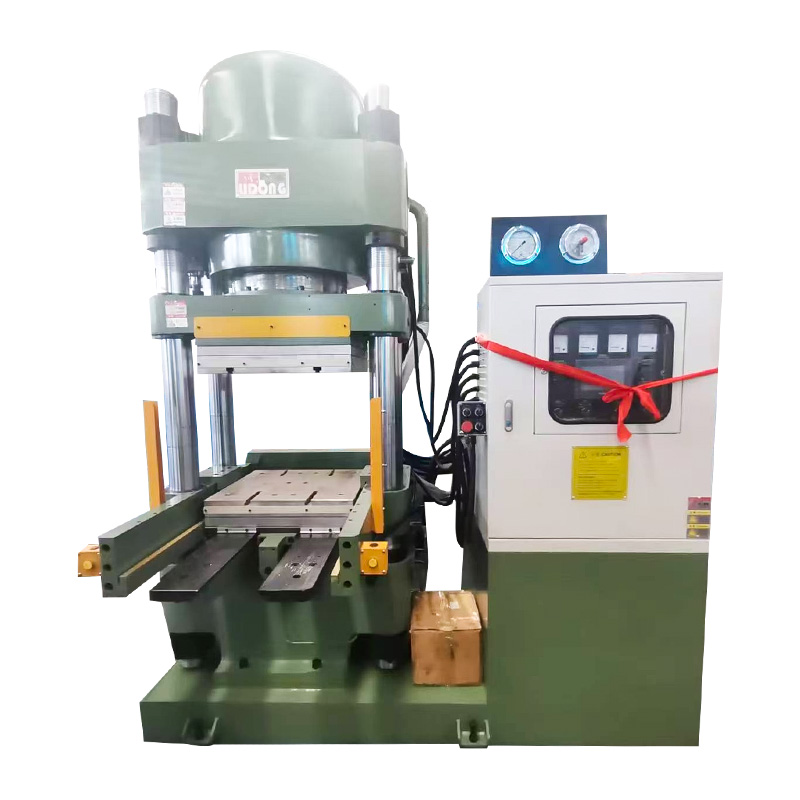
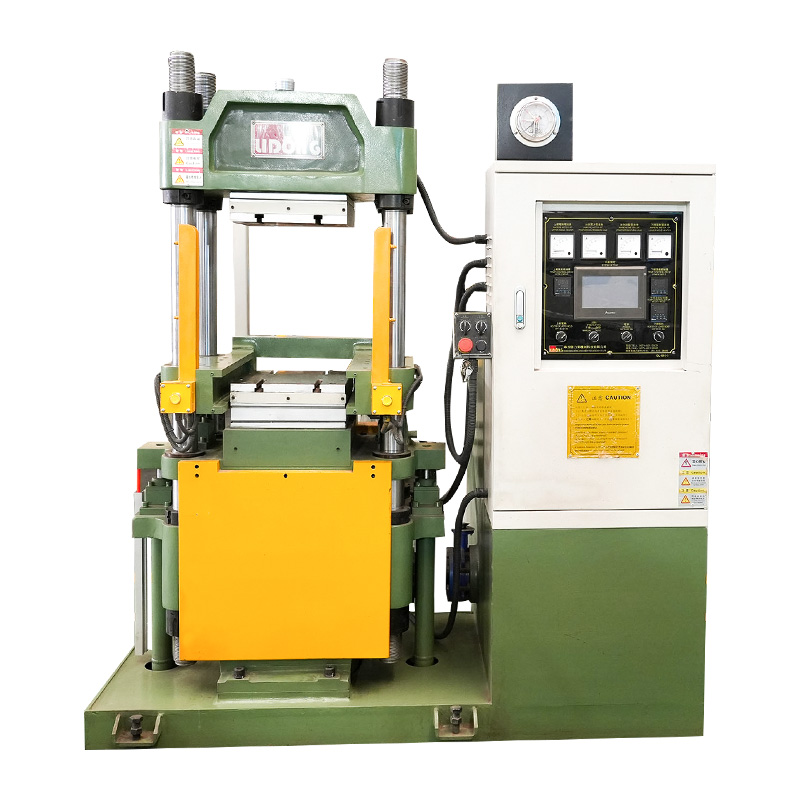
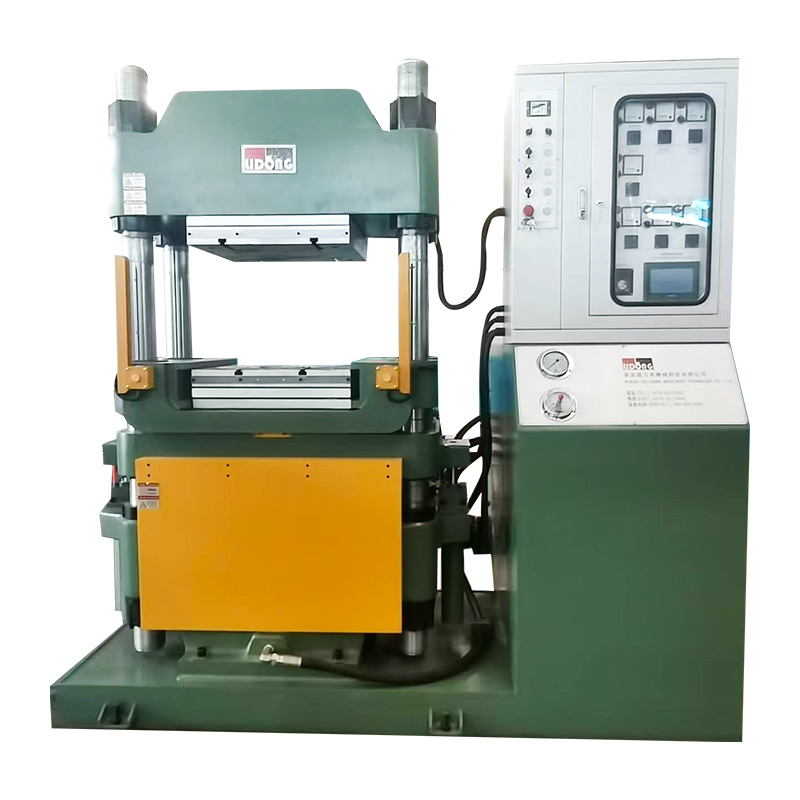
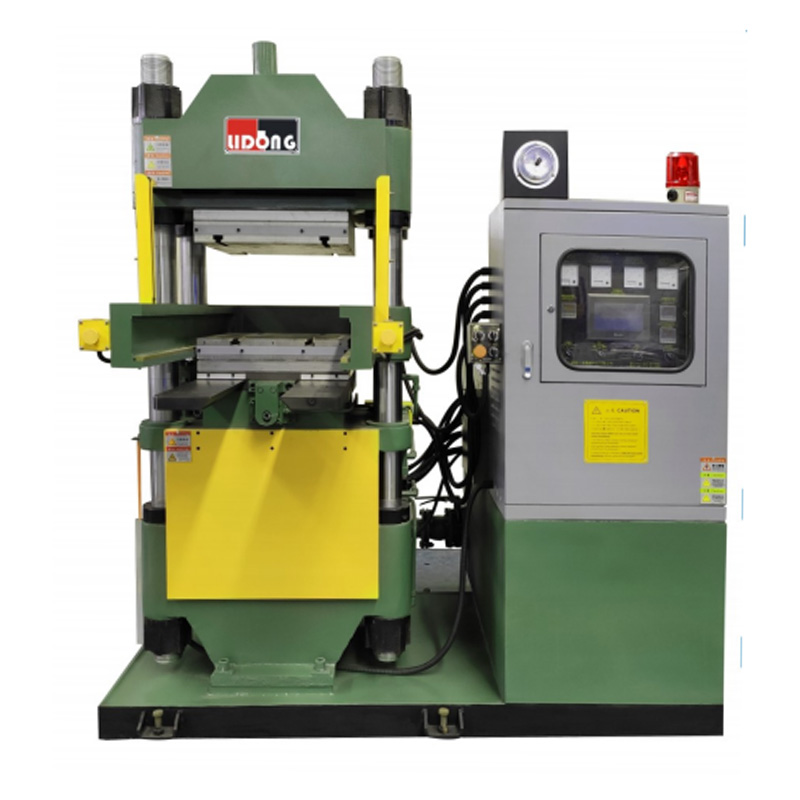
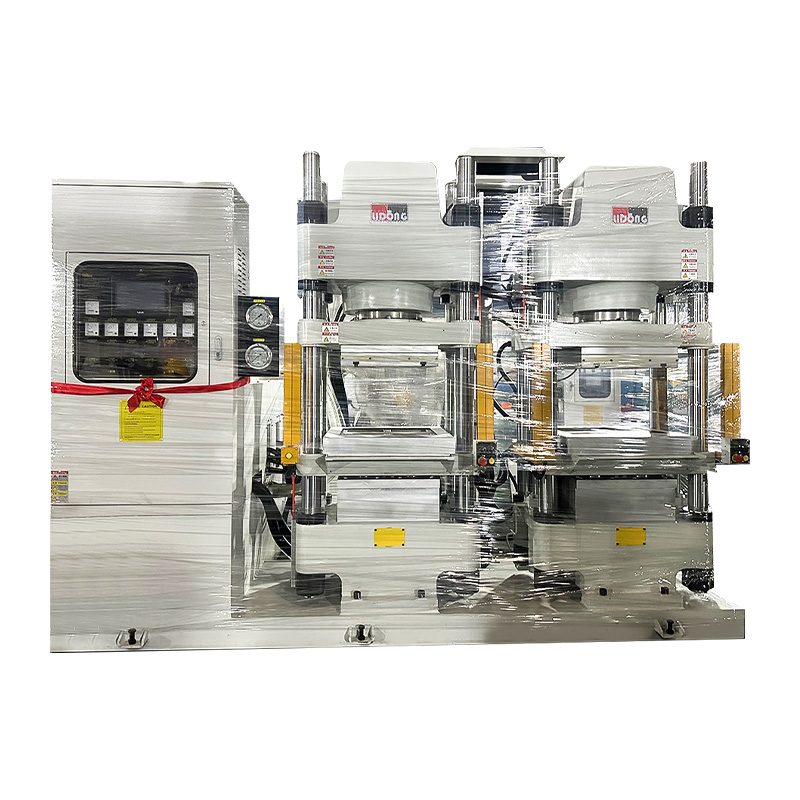
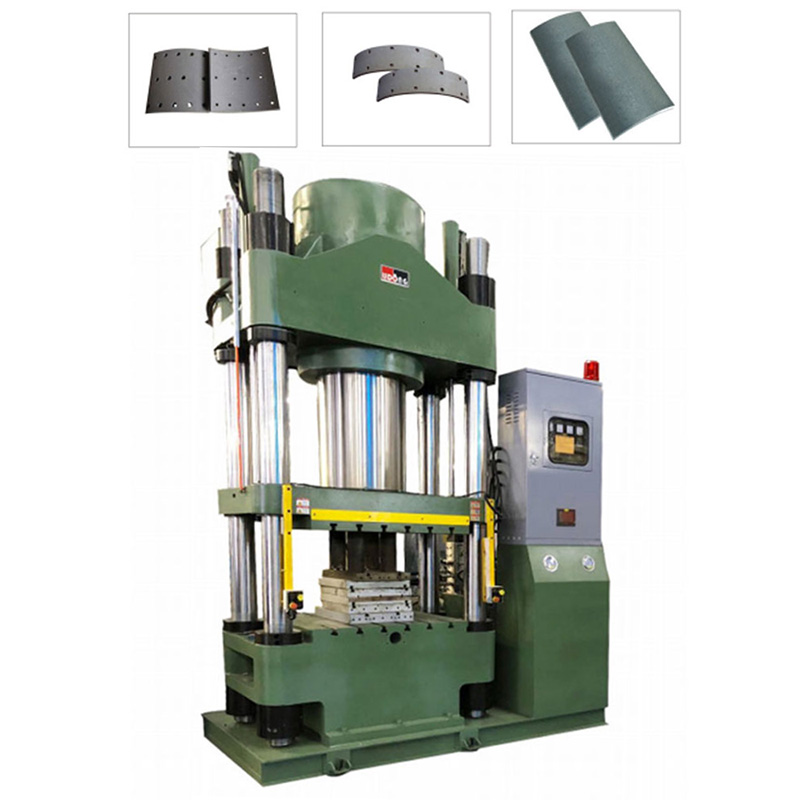
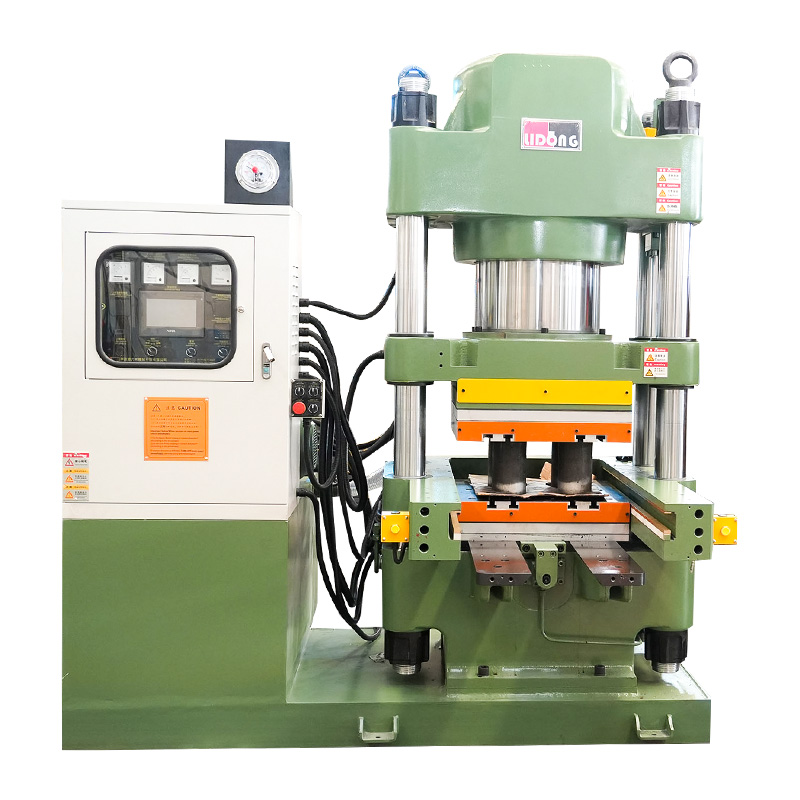
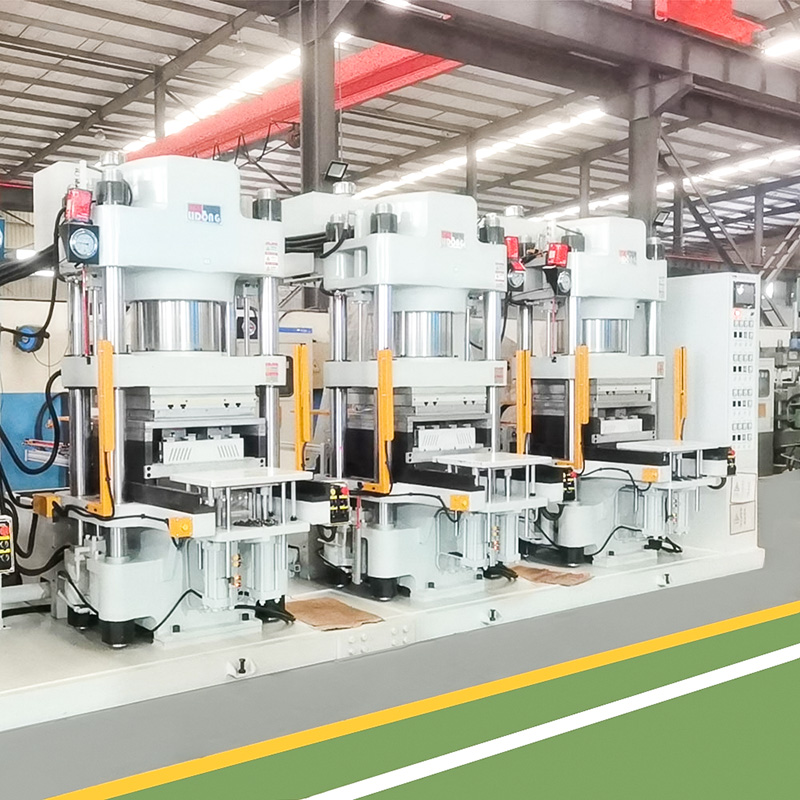
Technical Parameters
The table lists typical configurable values for hot presses used in railway brake block production. Final specifications depend on your block size, mold layout and formulation, and are confirmed in the technical agreement.
| Parameter | Typical Range | Relevance to Railway Blocks |
|---|---|---|
| Clamping force | About 200 - 1000 tons | Large friction area, one to several blocks per mold |
| Specific pressure on the block | Set by formulation, often tens of MPa | Controls density of thick friction layers |
| Platen size | About 600 x 600 mm to 1200 x 1200 mm | Fits long blocks and multi-block molds |
| Opening stroke | Generous, matched to deep molds | Room for degassing and heavy mold handling |
| Platen temperature | Up to about 200 degrees C | Resin cure, usually around 150 to 180 degrees C |
| Temperature uniformity | About plus or minus 2 to 3 degrees C | Even cure through thick sections |
| Degassing steps | Programmable, adjustable opening and dwell | Releases gas from thick, dense material |
| Pressure holding | Programmable with automatic make-up | Steady force over long cures |
| Mold handling | Rail cart or crane with lifting points | Heavy molds and back plates |
| Control | PLC with touchscreen, recipe lock and data storage | Records for each batch of blocks |
How to read the table: for railway blocks, the numbers that matter are tonnage, platen size, temperature uniformity and record capability. As a simple example, a composite block with a friction area of about 250 square centimeters at 30 MPa needs roughly 75 tons, so a mold with four blocks suggests a press of around 300 tons or more with margin. Long blocks are also sensitive to platen deflection, so frame stiffness is important.
Please send your block drawings, thickness, back plate details, mold dimensions and weight, cavity number, formulation and annual volume, and we will recommend a clamp size, platen size and stroke.
Practical advice. Ask your railway customers which records and test results they require before you choose the press. Record functions are easy to specify at the start and harder to add later.
Special Focus: Large Blocks, Thick Layers and Railway Quality Requirements
Railway blocks are judged on long service and safety. The table links the main needs to what the press contributes.
| Requirement | Why It Matters | What the Press Contributes |
|---|---|---|
| Even density along the block | Uneven wear and noise on long blocks | Stiff frame, thick platens, well-placed cylinders |
| Strong bond to the back plate | Blocks must never shed friction material | Stable temperature and pressure during bonding |
| No voids or cracks in thick layers | Hidden defects can fail under heat | Programmable degassing and steady holds |
| Stable friction in wet and dry | Weather changes braking behavior | Full cure and consistent density |
| Low noise and wheel-friendly wear | Rolling noise and wheel condition | Repeatable cure and even surface properties |
| Traceability | Fleet customers and approval bodies | Recipe lock and cycle records |
Points that decide results:
- Block types. Composite blocks for freight and passenger vehicles are common, and different types are used to balance friction level and wheel wear. Cast iron and sintered blocks are made by other processes, which we will not describe here.
- Back plate preparation. Plates must be clean, treated and coated with a suitable adhesive, and located exactly in the mold. The bond starts with plate preparation, and the press supplies the heat and pressure that complete it.
- Degassing and cure time. Thick blocks release gas slowly. Staged degassing and longer holds reduce voids, and cutting sample blocks shows the true state inside.
- Approval. Railway blocks are usually approved for specific vehicles under national or international rules, such as UIC leaflets and European standards for brake blocks. Approval applies to the block, not the press.
- Finishing. Post-cure, machining, drilling and marking are separate steps that affect final dimensions and appearance.
Formulation, bench testing and vehicle approval belong to the block maker and the railway authority. The press provides stable, repeatable molding conditions, which makes test results between batches meaningful.
Honest advice. Do not treat railway blocks as large road pads. Their thickness, fleet use and approval needs ask for longer cures, careful degassing and stronger records.
Automation and Control System
Railway block production runs in campaigns with strict records, so the control system must hold every cycle identical and document it.
- Recipe memory and lock: temperature, pressure steps, degassing count, opening distance, dwell, hold time and stroke limits are stored for each block type, and changes need the right password level.
- Multi-step pressure control: gentle initial compaction, several degassing steps and a long final hold are set separately.
- Slow closing near the mold faces: protects heavy molds and the back plate position.
- Zoned temperature control: separate sensors and outputs keep large platens even, with alarms if a zone drifts.
- Long-hold stability: pressure make-up keeps force steady as the material consolidates.
- Alarm and event log with cycle data: faults, setting changes, temperature, pressure and time are recorded and can be exported if you permit it.
Handling and automation: molds and plates are heavy. Rail carts, slide-out tables and cranes with proper lifting points make loading safer, and loading frames and weighing systems for friction mix can be added in stages.
Operator view. The touchscreen shows the active recipe, platen temperatures, pressure curve and cycle time remaining. An English manual and training material are provided, and remote support is available when your technician sets up a new mold.
Record tip. Link each cycle to a batch number and a mold number, and store the values your customer asks for. A short on-screen checklist at the start of each batch makes records more complete.
Operator note. Show the cure time remaining and the number of the current degassing step on the screen, so the operator can see where the cycle stands. For audited production, a short on-screen checklist at the start of each batch, covering recipe, mold number and material batch, makes records much more complete.
Structure and Materials
A railway block press works with large molds and long cures, so frame stiffness, platen thickness and cylinder layout decide how evenly pressure is spread.
| Component | Design and Material | Purpose |
|---|---|---|
| Press frame | Heavy welded steel structure, stress relieved | Low deflection at rated tonnage |
| Platens | Thick alloy steel, ground flat, zoned heating | Even heat and flat contact over a large area |
| Heating | Electric rods or thermal oil channels, PID control | Stable temperature on a large mass |
| Insulation | Boards and shields on platens and guides | Lower heat loss and protection for seals |
| Guide system | Large hardened guides, adjustable | Keeps platens parallel through the stroke |
| Main cylinder | Large bore, quality seals, stroke control | Uniform force and repeatable thickness |
| Mold carrier | Rail cart or slide-out table rated for mold weight | Safe loading of heavy molds |
| Hydraulic station | Separate unit, filtered and cooled | Stable pressure over long holds |
Why stiffness matters: blocks are long, so a small deflection of the platens leaves the ends at a different density from the middle. We use heavy frames and thick platens, select cylinder positions to spread the load evenly and check flatness and parallelism at the factory.
Foundation: large presses need a designed foundation. We provide load and layout drawings in advance, since uneven floors can twist the frame over time.
Maintenance. Clean platens regularly with non-scratching tools, keep guides lubricated, check cylinder seals, and change hydraulic oil and filters according to the manual. Inspect mold carriers and lifting points on a schedule, and keep a calibration log for sensors.
Before shipment, each press is run under load, and temperature uniformity, pressure holding and safety functions are checked.
Safety and Energy Efficiency
Heavy molds, long hot cycles and dusty friction mix call for careful safety planning.
- Emergency stop at the operator position and at the loading side
- Light curtain or guard doors connected to the PLC
- Hydraulic overpressure protection with a relief valve and pressure monitoring
- Independent over-temperature protection on each heating zone
- Mold carrier stops and locks that hold molds in position during loading
- Insulated surfaces and warning labels on hot parts
Handling advice: never lift heavy molds or plates by hand. Use a rated crane or rail cart with proper lifting points, wear heat-resistant gloves and sleeves, and keep walkways clear. Heating the resin releases vapors, and friction mix and machining dust are harmful to breathe, so provide local exhaust above the press, dust collection at feeding and machining areas and suitable respiratory protection according to local rules. Follow the safety data sheets of your materials.
Energy efficiency: long cures mean heat loss over many minutes, so insulation and zoned PID control matter. A variable-speed hydraulic system uses power mainly while the press moves, which helps because holding is the longest stage. A stand-by temperature function saves energy during mold changes, and low scrap saves raw material and the energy already spent on it.
Tell us your working hours and local power price, and we will compare options in the quotation.
Training and records. Keep a log of safety checks, carrier inspections and oil changes. A monthly test of the emergency stop, light curtain and over-temperature cut-off keeps the press dependable. We provide an English checklist that you can adapt to your own procedures.