English
 عربى
 中文繁体

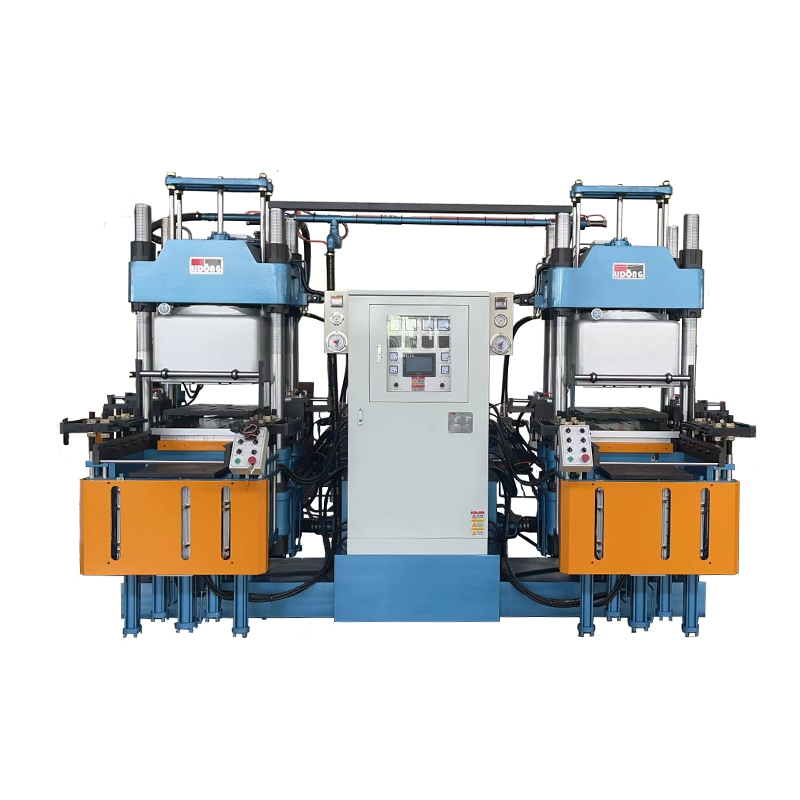
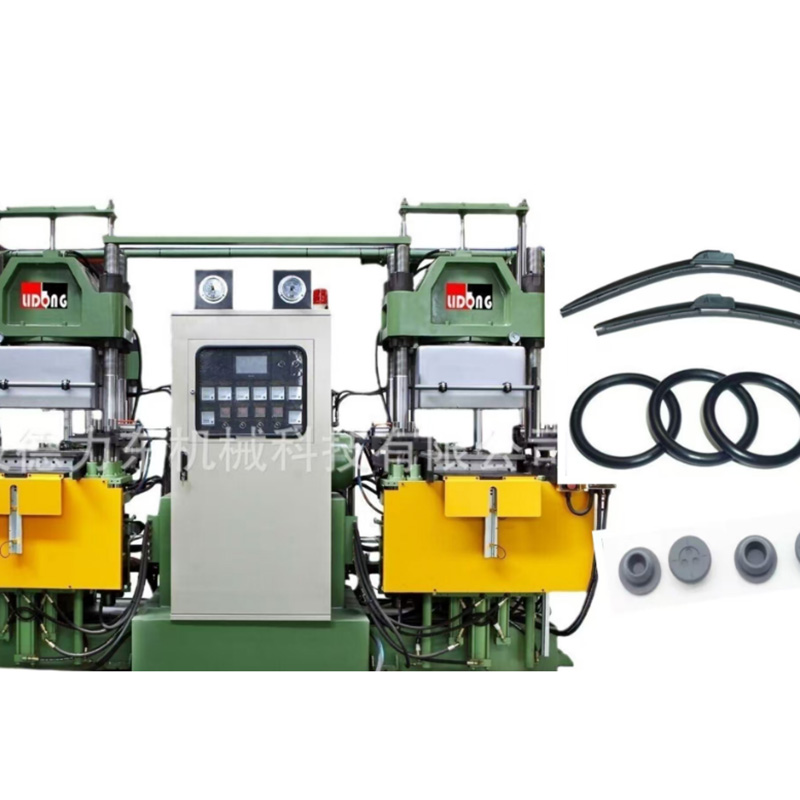
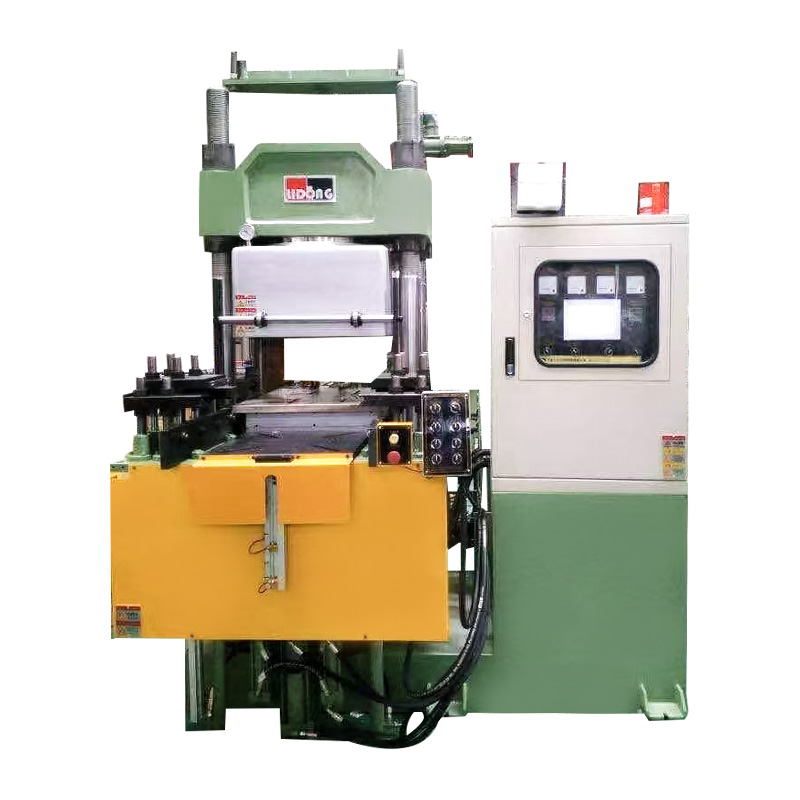
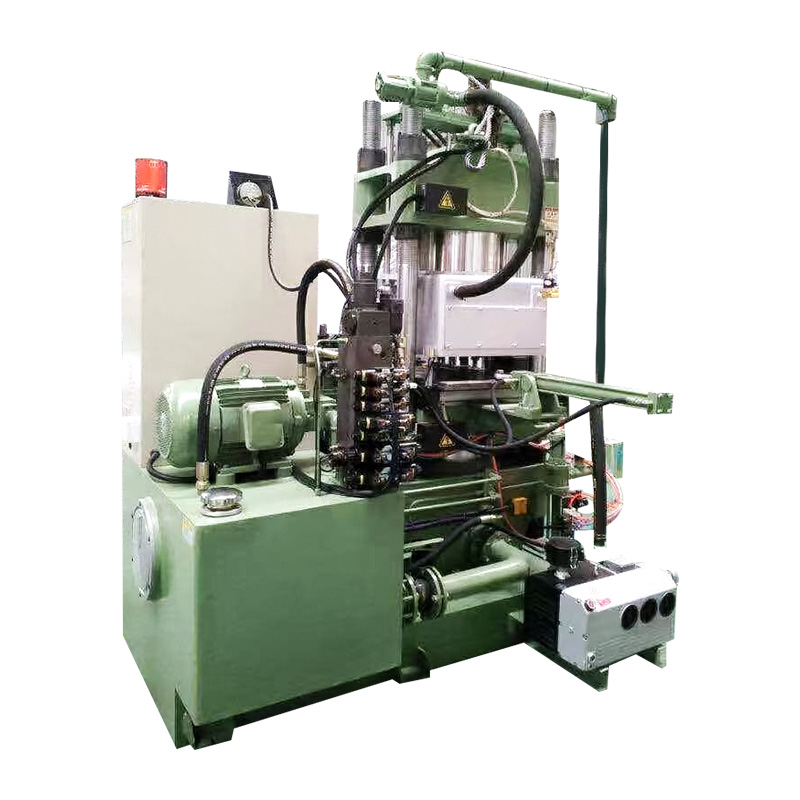
Technical Parameters
The table lists typical configurable values for presses used in NBR seal production. Final specifications depend on your mold size, cavity number and compound, and are confirmed in the technical agreement.
| Parameter | Typical Range | Relevance to NBR Seals |
|---|---|---|
| Clamping force | 50 - 500 tons | Set by projected area of the cavities |
| Platen size | About 400 x 400 mm to 900 x 900 mm | Large platens fit many-cavity molds |
| Daylights | 1 - 8 layers | More layers raise output for short-cure seals |
| Platen temperature | Up to about 200 degrees C standard | NBR usually cures in the 150 to 190 degree range |
| Temperature uniformity | About plus or minus 2 degrees C | Even cure and hardness across all cavities |
| Pressure control | Programmable with automatic make-up | Keeps the mold closed and flash thin |
| Breathing steps | Programmable | Helps release gas and moisture |
| Vacuum option | Chamber type, about -0.095 MPa and below | Fewer bubbles and flow marks |
| Control | PLC with touchscreen and recipe memory | One recipe per compound and mold |
How to read the table: for NBR seals, the number of layers, platen uniformity and clamping force are the main numbers. Short cures and small parts reward more layers, because loading time then limits output, and many small cavities in one mold need an even platen to give the same hardness everywhere.
The second key point is parallel closing. A press that closes even slightly out of parallel produces thick flash on one side and starved cavities on the other, which raises trimming costs and scrap. Please send your mold dimensions, cavity number, compound and cure time, and your daily output target. We will recommend a platen size, tonnage and layer number.
Practical advice. Leave a margin in platen size and tonnage for new seal sizes you may add later, but avoid a press far larger than your regular mold, since it uses more power and heats less evenly.
Special Focus: Oil Seals, Bonding and Compound Choice
NBR is a family of grades, and their properties change how the press should be used. The table shows the main points.
| Topic | What Matters | What the Press Should Deliver |
|---|---|---|
| High-nitrile NBR | Better oil resistance, less low-temperature flexibility | Steady temperature control and full cure |
| Low-nitrile NBR | Better cold flexibility, lower oil resistance | Same even cure, adapted recipe |
| HNBR | Higher heat and aging resistance, often peroxide cured | Hot platens and good pressure holding |
| Bonded oil seals | Metal case and rubber bonded together | Even pressure, stable heat, insert kept in place |
| Compression set | Seal must keep its shape under load | Full cure and even temperature |
Points that decide quality:
- Flash and trimming. Thin, even flash costs less to trim. Parallel platens, enough clamping force and mold care help. Deflashing is a separate step, often done by tumbling or trimming equipment.
- Bonded seals. Metal parts must be clean and treated with a suitable bonding agent. The press supplies heat and pressure, but the bond depends on the metal preparation and the adhesive system.
- Cure time and cavities. Many small cavities share the same platen, so uneven heat shows up as different hardness from cavity to cavity.
- Contamination. Mixing NBR with other compounds in the same mold or on the same press can cause problems. Clean molds on a schedule.
For bonded products, our rubber-to-metal bonding machine page gives more detail on that process. For very high volumes, an injection machine may reduce labor and trimming, and we will say honestly when that is the better route.
Cost thinking. NBR seals are price-sensitive. Compare the cost of labor, trimming and scrap with the machine price, and consider a multi-layer press or a mold loading system when volume justifies it.
Automation and Control System
NBR seal lines run many molds and often several shifts, so the control must be simple, fast to set and repeatable from cycle to cycle.
- Recipe memory: temperature, pressure steps, breathing steps and cure time are stored for each mold and compound, so changeover is a matter of selecting the recipe.
- Breathing function: programmable open-and-close steps release gas and moisture early in the cure.
- Automatic cure timer and auto-open: the press opens at the end of the cure, which prevents over-cure when the operator is busy.
- PID temperature control: separate zones keep the platen temperature even and limit overshoot.
- Vacuum sequence (optional): pump-down, hold and release are timed by the PLC.
- Alarms and counters: faults are shown clearly, and cycle counters record output per shift.
Mold handling and automation: NBR molds with many cavities are heavy, and loading takes much of the cycle. Slide-out tables, mold carts and loading frames speed the work. For high volumes, a mold shuttle press or an automatic mold loading and unloading system can be added in stages, so that the next mold is prepared while the current one cures.
Production data. Cycle counters and optional recording of temperature, pressure and time help supervisors compare shifts and find the cause of scrap.
Operator view. The touchscreen shows the active recipe, platen temperature and cure time remaining. Passwords protect settings, and an English manual and training material are provided. Remote support is available when your technician sets up a new mold.
Changeover tip. Name each recipe after the mold number and compound code, so any operator can recall the right settings quickly. Keep a printed sheet of proven cure times near the press, so that new staff start from tested values, and lock the recipes by password to prevent accidental changes between shifts.
Structure and Materials
An NBR seal press works under high load for long shifts, and rubber residue and oil are part of the environment. The structure is designed to keep its accuracy in this setting.
| Component | Design and Material | Purpose |
|---|---|---|
| Press frame | Welded steel, stress relieved | Rigid base that resists bending |
| Platens | Alloy steel, ground flat, zoned heating | Even heat and flat contact with the mold |
| Heating elements | Electric rods, arranged in zones | Stable temperature, easy to replace |
| Insulation | Boards on platens and sides | Lower heat loss and safer outer surfaces |
| Guide system | Wear-resistant guides, adjustable | Keeps platens parallel for thin flash |
| Cylinders | Quality seals, well placed | Smooth and uniform pressure |
| Hydraulic station | Separate unit with filtration and cooling | Clean oil, stable temperature and less leakage |
Why parallelism matters: a small angle between platens changes the mold gap, which shows up as uneven flash and seal thickness. We check platen flatness and parallelism at the factory and share the measurements. We also suggest a periodic recheck after the press has been in service.
Oil and leaks: oil leaks cause quality and safety problems around molds. We use quality seals, carefully routed hoses and drip trays, and we explain in the manual how to inspect fittings regularly.
Maintenance. Clean platens regularly with non-scratching tools, since rubber residue slows heat transfer and creates cold spots. Keep guides lubricated, check cylinder seals and change hydraulic oil and filters according to the manual. The design allows replacement of wear parts without taking the whole press apart.
Before shipment, each press is run under load, and temperature uniformity, pressure holding and safety functions are checked.
Safety and Energy Efficiency
NBR seal production uses hot molds, high pressure and frequent manual loading, so a safe layout and good habits protect operators.
- Emergency stop at the operator position and at the loading side
- Light curtain or guard doors connected to the PLC, so the press cannot close while a hand is in the opening
- Hydraulic overpressure protection with a relief valve and pressure monitoring
- Independent over-temperature protection on each heating zone
- Insulated surfaces and warning labels on hot parts
- Safe mold handling aids such as slide-out tables and carts
Handling advice: molds with many cavities are heavy and hot. Use lifting aids and carts, wear heat-resistant gloves and sleeves, and keep walkways clear. Curing rubber can release vapors, so provide ventilation above the press and a tidy work area to reduce slip and fire risks around oil and release agents.
Energy efficiency: good insulation and PID control lower the power needed to reach and hold temperature. A variable-speed hydraulic system uses power mainly while the press moves, which matters because holding stages are long. A stand-by temperature function saves energy during breaks. A multi-layer press produces more seals per kilowatt-hour than several single-layer presses, since the heated mass is shared.
Tell us your working hours and local power price, and we will compare options in the quotation.
Training and records. Keep a simple log of safety checks and oil changes. A monthly test of the emergency stop, light curtain and over-temperature cut-off takes little time and keeps the press dependable. We provide an English checklist that you can adapt to your own safety procedures when training new operators.