
 English
 عربى
 中文繁体

Technical Parameters
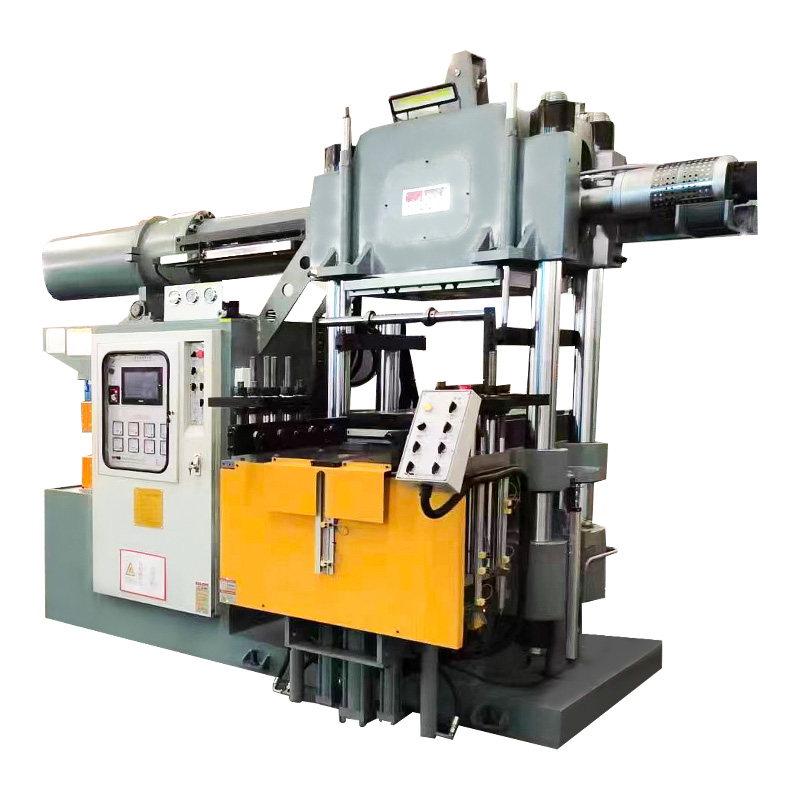
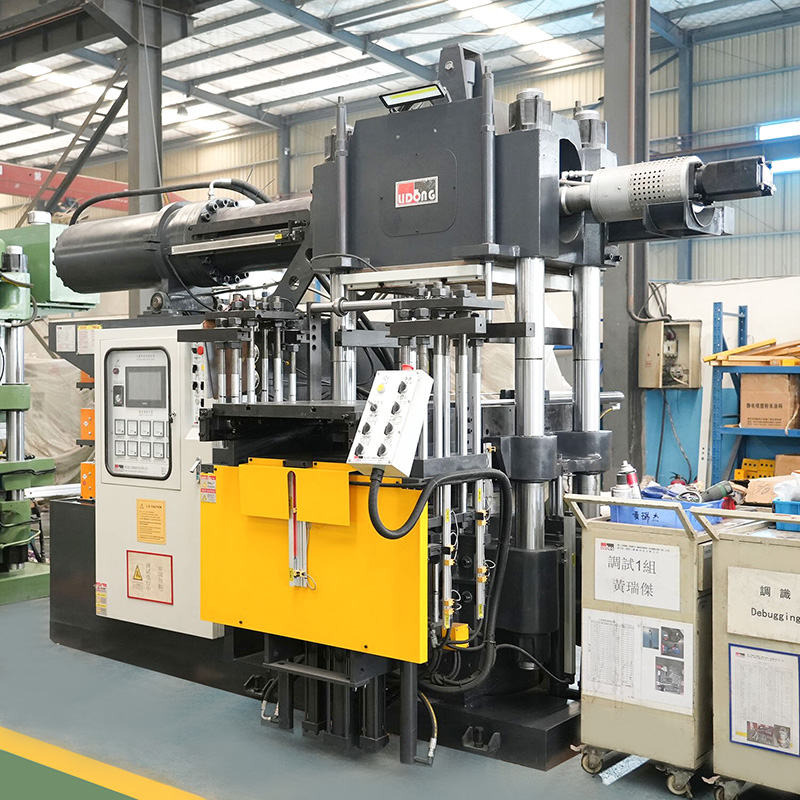
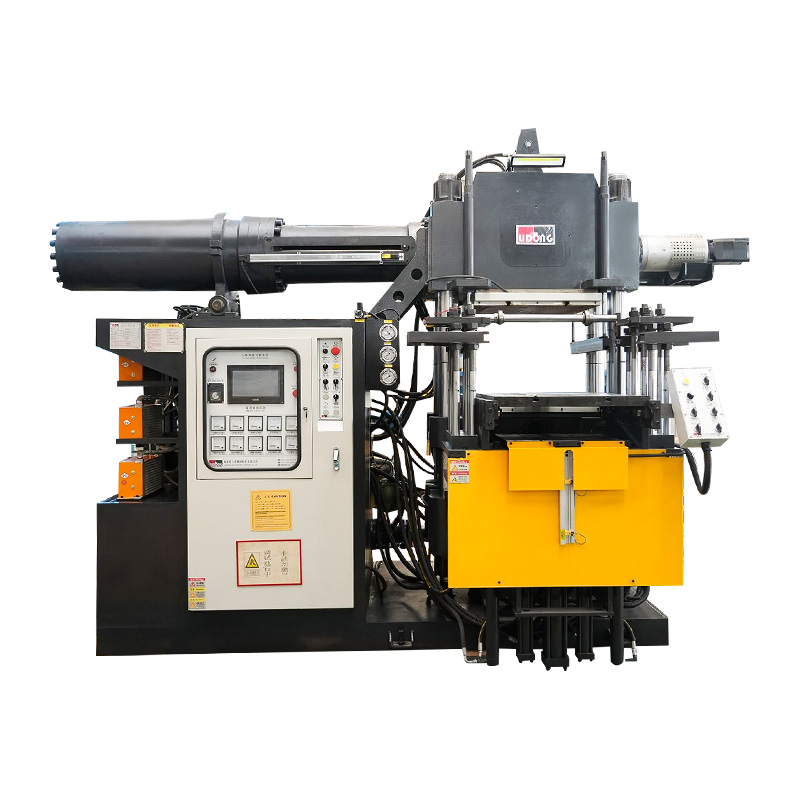
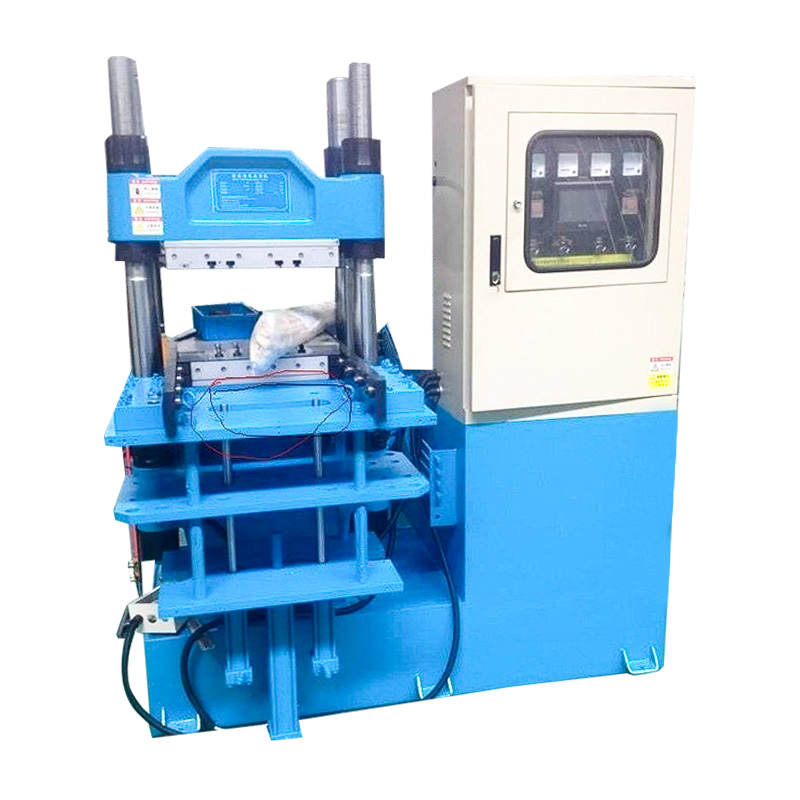
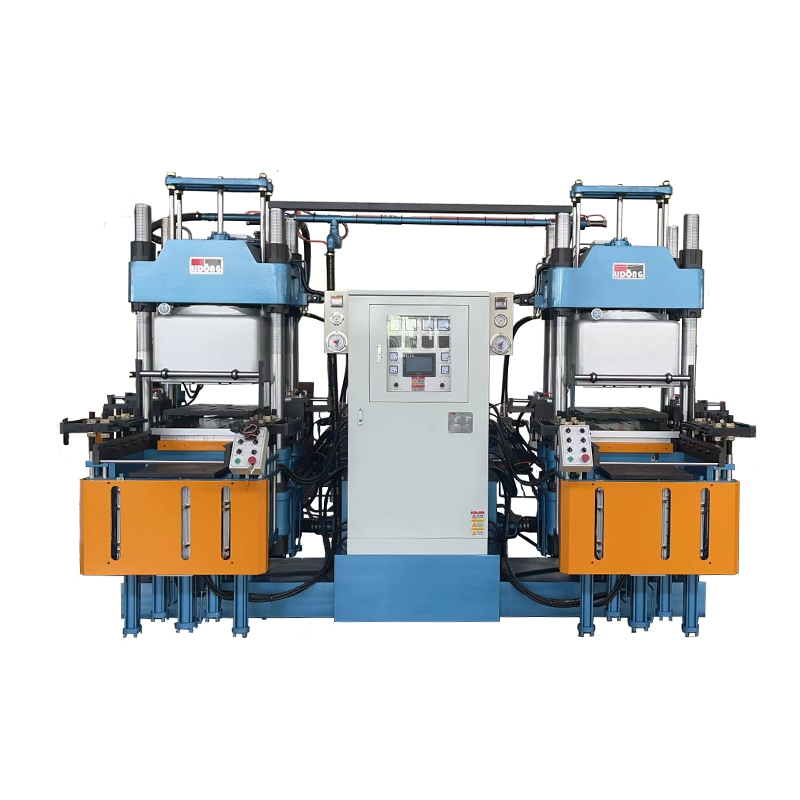
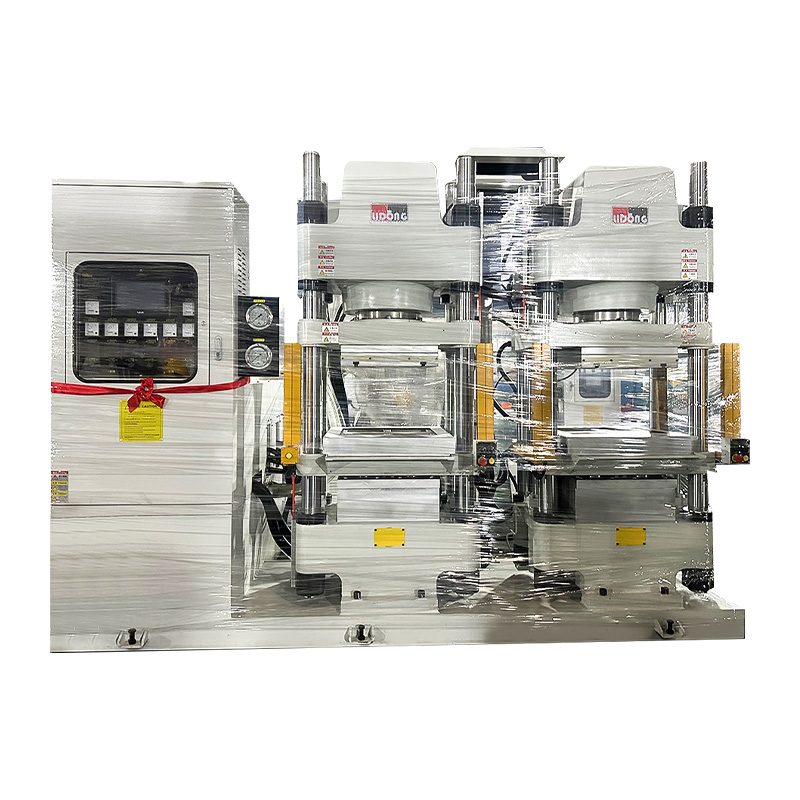
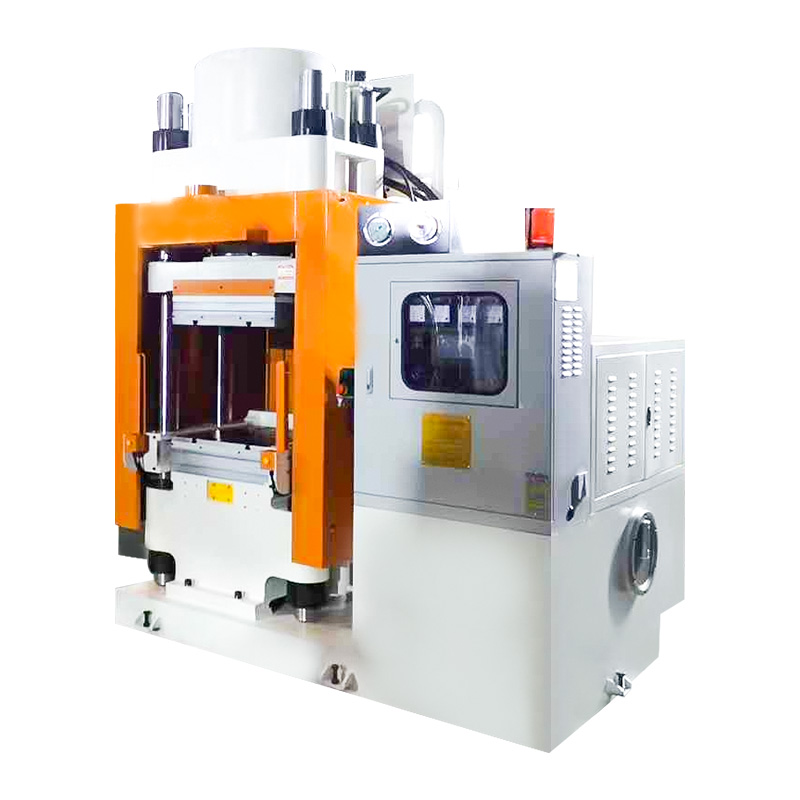
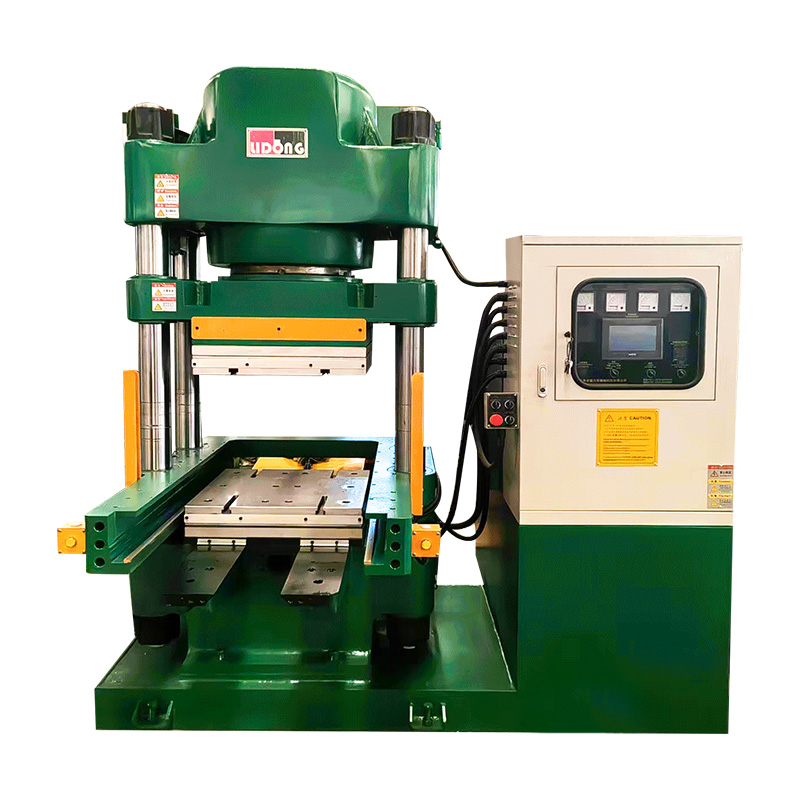
The table gives typical configurable values for a mold shuttle curing machine. Each system is designed around your mold size and weight, and the final specification is confirmed in the technical agreement.
| Parameter | Typical Range | Notes |
|---|---|---|
| Clamping force | 50 - 500 tons | Based on mold projected area |
| Platen size | 400 x 400 to 900 x 900 mm typical | Matches the mold carrier size |
| Shuttle type | Single-sided, double-sided or rotary | Chosen by space and output |
| Mold weight capacity | From tens to several hundred kg per carrier | Specify your heaviest mold |
| Shuttle stroke | Matched to platen depth and loading space | Allows full mold access |
| Positioning accuracy | Mechanically guided and sensor checked | Keeps mold aligned on the platen |
| Exchange time | Usually a few seconds to about ten | Depends on mold weight and drive |
| Platen temperature | Up to 200 degrees C standard | Higher on request |
| Control | PLC with touchscreen | Press and shuttle in one program |
How to size the system: start with your cure time and your loading time. If loading takes half as long as curing, a double-sided shuttle can almost double output compared with a single table. If loading is much shorter than curing, extra daylights may be a better choice. Our engineers can compare both with your numbers.
Please tell us the weight and height of your heaviest mold, since this decides the shuttle drive and guide design.
Questions that decide the design: How heavy is your heaviest mold? How many different molds do you run each day? Do you plan to add automatic loading later? How much floor space is available on each side of the press? Answers to these four questions determine the drive type, the table size and the safety fencing, and they also determine whether a single-sided or double-sided shuttle is the better choice for you.
Special Focus: Is a Shuttle System Worth It for You?
A shuttle is not the best answer in every case. This comparison helps you judge:
| Setup | Output | Operator Effort | Investment | Best For |
|---|---|---|---|---|
| Standard manual press | Base level | High, reaches into press | Low | Low volume, many different molds |
| Press with extra daylights | Higher | Medium | Medium | Long cure times, small molds |
| Mold shuttle press | Higher, with hot platens kept busy | Low, loading outside the press | Medium to high | Short to medium cures, repeat products |
| Fully automatic loading line | Highest | Very low | High | Large, stable programs |
Where shuttles pay off most:
- Short and medium cure times where loading is a big share of the cycle
- Heavy molds that are hard and risky to handle in the press
- Temperature-sensitive products where a cold mold or cold platen causes quality differences
- Plants short of skilled labor, since the cycle is simpler and safer
Where it pays less: if you change molds many times a day, or your cure time is much longer than loading time, a shuttle adds cost without much gain. We will tell you plainly if a simpler option suits you better.
Think about mold standardization. A shuttle works best when your molds share similar outside dimensions and clamping features. If every mold is different, the carrier plates and positioning stops need more adjustment. Some customers standardize mold bases when they invest in a shuttle, and find that this also simplifies storage and changeover. We can advise how to adapt existing molds so you do not need to rebuild them all.
Think about the product mix. A shuttle gives its best return when the same mold runs for several hours or days. Frequent mold changes reduce the benefit, because each change needs the carrier to be swapped as well. Tell us how long a typical run is before a mold change.
Automation and Control System
In a shuttle machine, the press and the table must move in perfect order. The PLC controls the sequence and checks every step with sensors, so the operator concentrates on loading rubber.
- Automatic exchange cycle: press opens, finished mold slides out, new mold slides in, press closes, with each step checked by position sensors.
- Interlocks: the table cannot move unless the press is fully open and the area is clear.
- Independent cure timers: each mold has its own cure timer, so a mold is never released early.
- Recipe storage: the temperature, pressure and cure settings for each mold are saved and recalled.
- Remote support option: allows our engineers to check the sequence when you request help.
- Manual mode: allows setting up and servicing without running the full automatic cycle.
The machine can later be extended with automatic rubber loading, mold opening devices or robot demolding. We prepare the control cabinet and the frame so these can be added without rebuilding.
A touchscreen display shows both mold positions, their cure time left and the next action, so the operator can see at once what the machine is doing and what is expected from them.
Operator view. The touchscreen shows two mold positions, the cure time left on each and the next action required. The operator loads rubber, confirms and the machine does the rest. Settings can be locked by password, and alarm messages are written in clear English. We provide an English manual and training material, and our engineers can help set up the first exchange sequences by video call.
Structure and Materials
The shuttle mechanism must carry heavy, hot molds and place them accurately on the platen again and again. Structure and materials are chosen for strength, accuracy and long life.
| Component | Design and Material | Purpose |
|---|---|---|
| Press frame | Welded steel, stress relieved | Stable under full clamping force |
| Platens | Alloy steel, ground and drilled for heating | Even heat and flat mold seating |
| Shuttle table | Heavy steel plate with hardened wear strips | Carries hot molds without deflection |
| Guide rails | Precision linear guides or hardened rails | Smooth movement and accurate stop position |
| Drive | Hydraulic cylinder or servo-electric drive | Controlled speed and soft stop |
| Insulation | Heat shields near drive and rails | Protects moving parts from heat |
| Positioning | Mechanical stops with sensors | Repeatable mold alignment |
Heat management: rails, bearings and drive parts must be protected from the heat of the molds. We use shields and, where needed, high-temperature lubricants, and we place sensitive parts away from the hot zone. This is one of the details that decide whether a shuttle runs smoothly after several years.
Each machine is tested with load before shipment, including repeated shuttle cycles with a test mold weight, so movement, alignment and sensors are checked at our factory.
Maintenance in practice. Check rail lubrication and cleanliness every week, inspect wear strips regularly and watch for unusual noise during shuttle movement. Remove rubber residue from the table promptly, since built-up debris affects alignment. Hydraulic oil and filters should be checked as for any press. Wear strips and guide parts are designed to be replaced without removing the entire table, so repairs take hours and not days.
Safety and Energy Efficiency
A moving table adds hazards that a plain press does not have. At the same time, it removes the most dangerous action: reaching into a hot press. Good design keeps the benefit and controls the new risk.
- Light curtains or safety fencing around the moving table
- Interlock logic that stops the table when someone enters the zone
- Emergency stop buttons at loading positions and at the press
- Soft start and soft stop on the table to avoid mold shock
- Mechanical stops and brakes that hold the table in place if power is lost
- Hydraulic overpressure and over-temperature protection as on every Delidong press
Energy efficiency: a shuttle machine saves energy in an indirect way. Because the platens stay hot, no time or energy is lost on reheating after each mold change, and output per kilowatt-hour rises. Insulation, PID control and a variable-speed hydraulic system further reduce power use.
Ergonomics: loading the mold outside the press at a suitable table height reduces bending and heat exposure. Many customers report that operators find the work easier, which also helps retention and training. Results vary by plant, and we are glad to discuss your workflow during the quotation stage.
Training and records. Train every operator on the safe zones around the table and on what to do if the machine stops mid-cycle. Keep a simple log of safety function tests, including the light curtain and the emergency stop. A short monthly check takes little time and keeps the system dependable. We provide a one-page English checklist that you can adapt to your own safety procedures and use during operator training.







