English
 عربى
 中文繁体
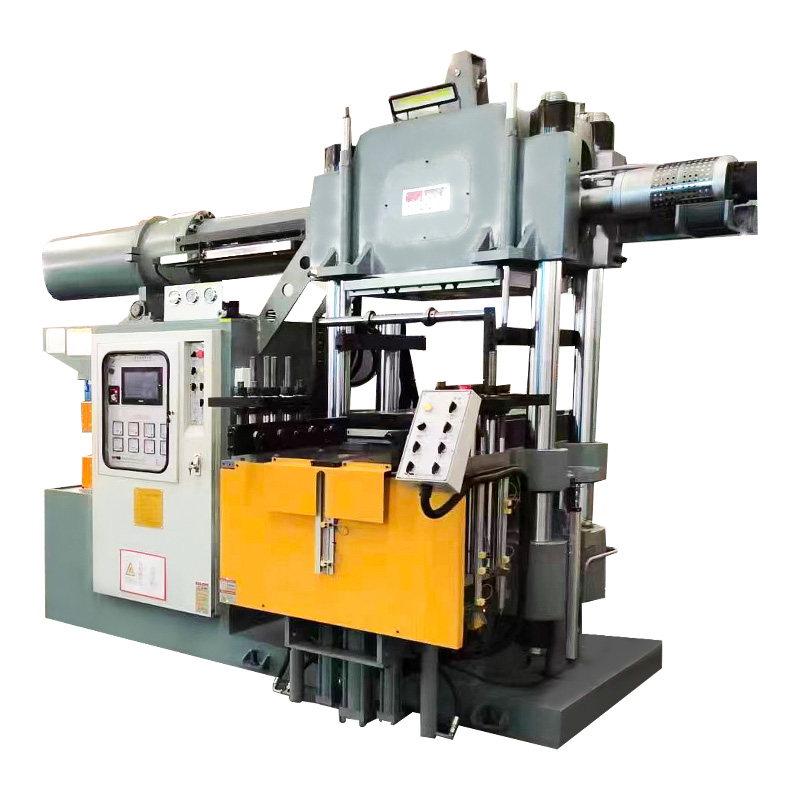
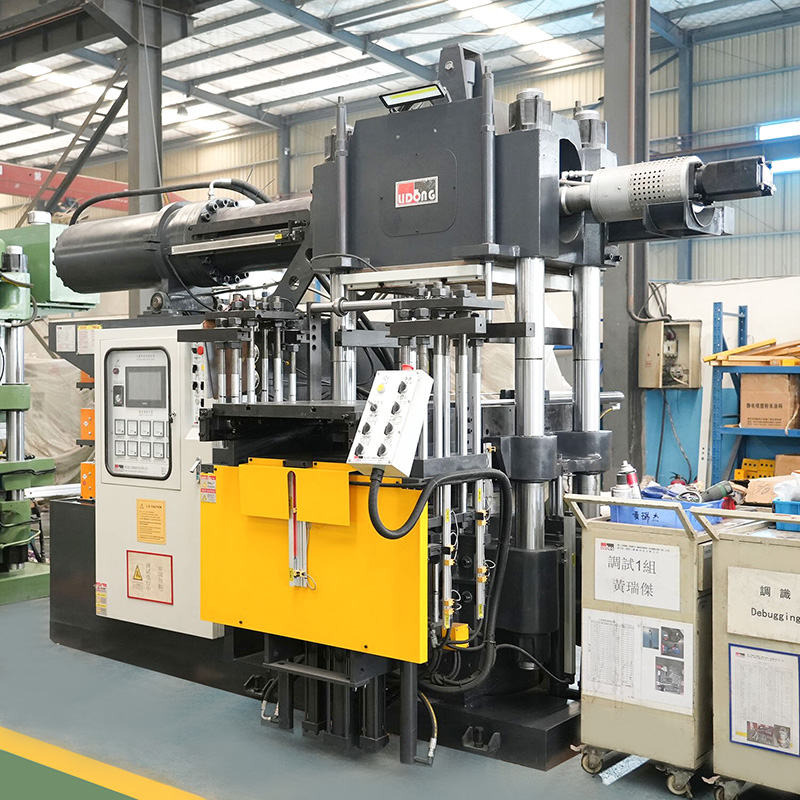
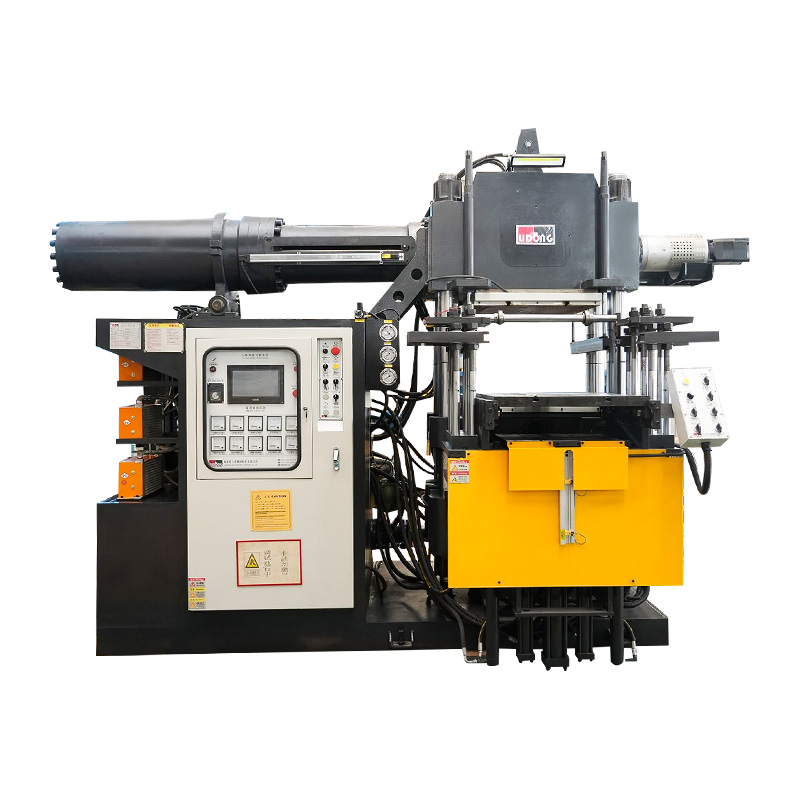
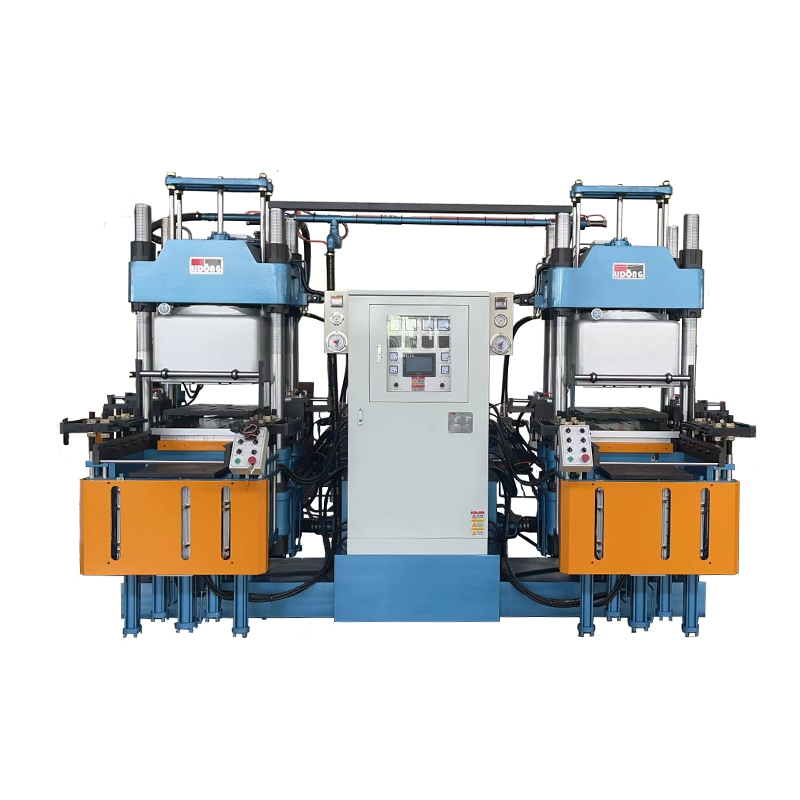
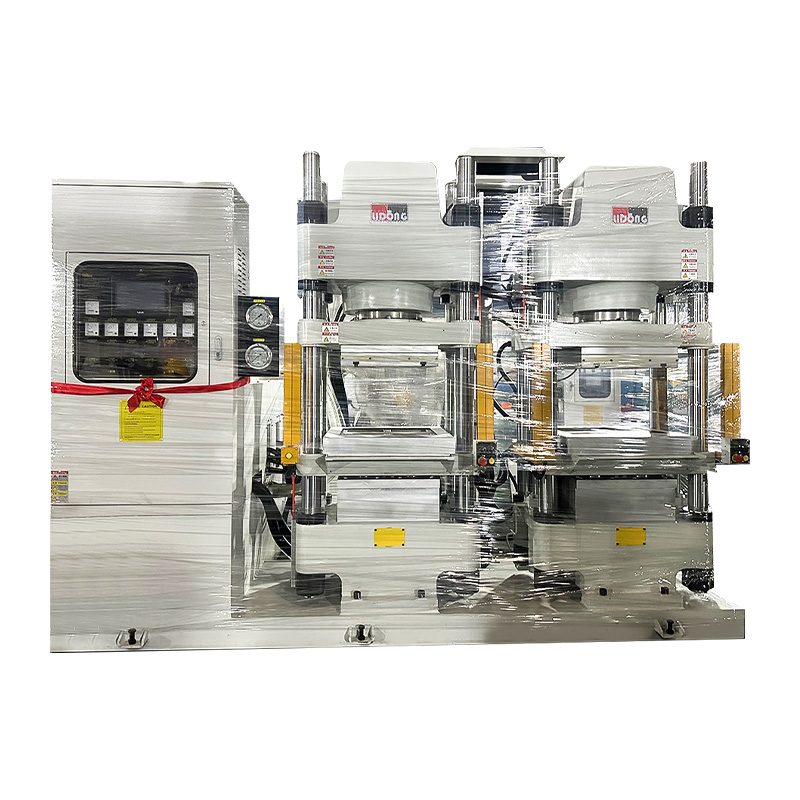
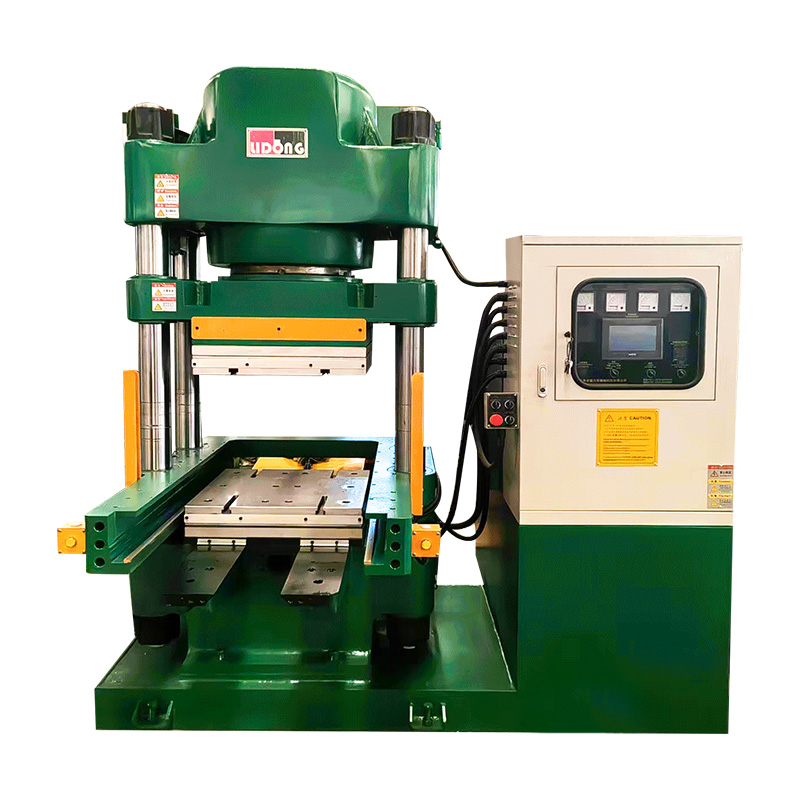
Technical Parameters
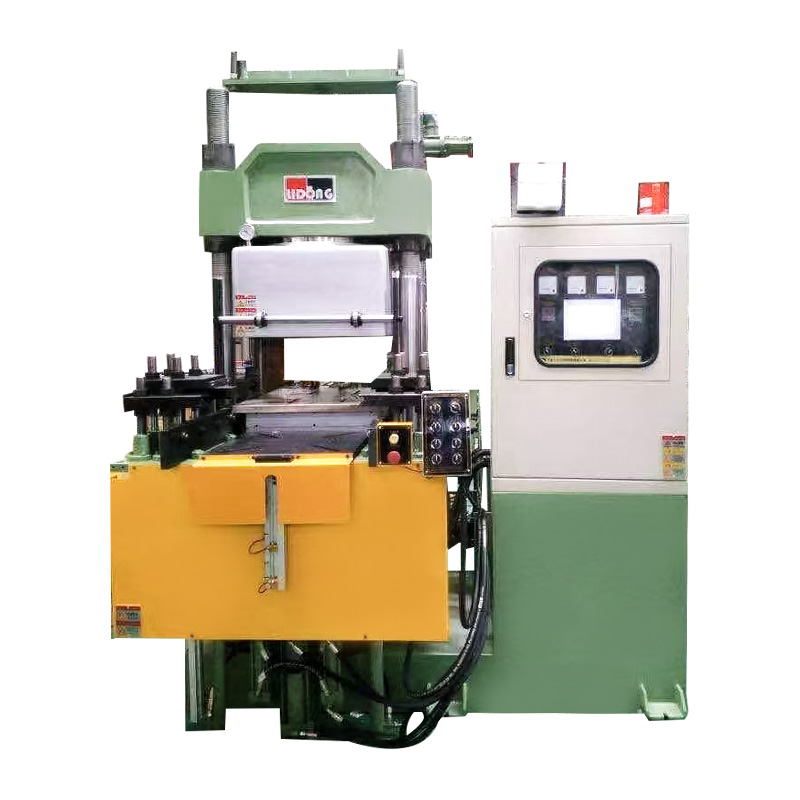
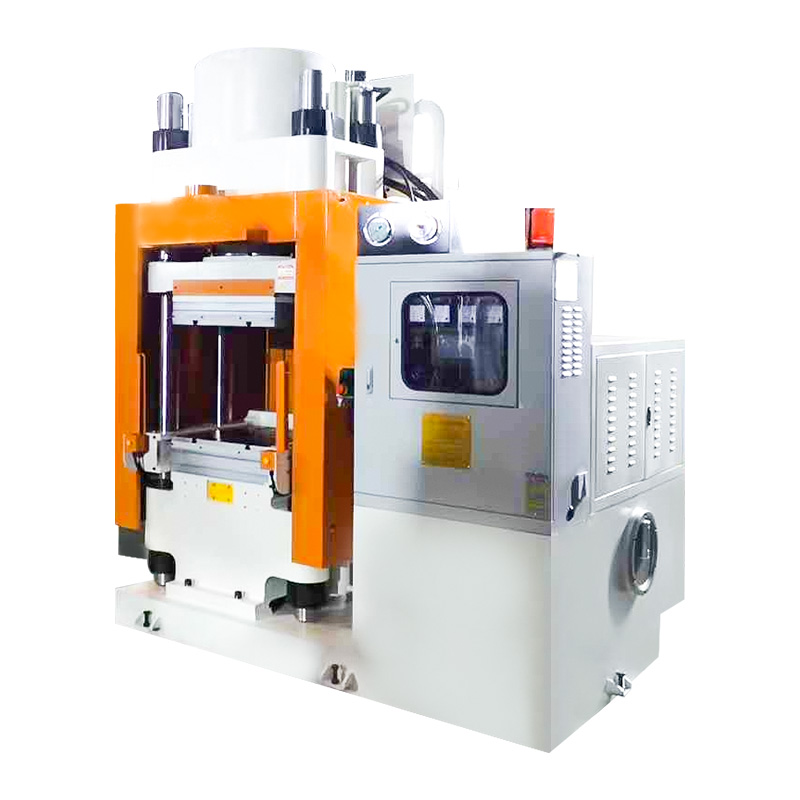
The table lists typical configurable values for equipment used in cold shrink tube molding. Because tube length, diameter and structure vary a great deal, final specifications are agreed in the technical agreement for each project.
| Parameter | Typical Range | Relevance to Cold Shrink Tubes |
|---|---|---|
| Clamping force | 100 - 500 tons | Depends on mold layout and tube size |
| Mold length capacity | From several hundred mm to over 1 m | Long tubes need long, stiff platens or vertical design |
| Platen temperature | Up to 200 degrees C standard | Higher range for some silicone systems |
| Temperature uniformity | About plus or minus 2 degrees C | Even cure along tube length |
| Vacuum assistance | Optional, about -0.095 MPa and below | Reduces voids in thick or long sections |
| Layout | Horizontal press, vertical press or injection-type | Chosen by tube design and material |
| Material | Silicone rubber, EPDM and similar | Match machine type to compound |
| Pressure control | Programmable with automatic make-up | Keeps long molds fully closed |
| Control | PLC with touchscreen | Recipes for each tube size |
Choosing between layouts: a horizontal press suits shorter tubes and simple molds. A vertical arrangement can be better for very long tubes, since gravity helps keep cores and inserts straight. Injection-type machines are chosen when the tube shape is complex and the compound is liquid silicone. We advise on the right layout after we see your product drawing.
Please send the tube drawing, wall thickness, length, compound type and your target output so that we can recommend the platen size, tonnage and layout.
Practical advice. Decide early whether you want vacuum assistance, since adding it later changes the frame and the control design. If unsure, we can prepare the machine for a later vacuum upgrade.
Special Focus: Wall Thickness, Voids and Electrical Quality
For cold shrink tubes, buyers of equipment rarely start with tonnage. They start with wall uniformity, void-free rubber and consistent cure, because these determine electrical and mechanical performance.
- Wall thickness. The core position inside the mold decides thickness. Stiff platens, accurate mold alignment and gentle initial closing help keep the core centered.
- Voids. Air trapped in long, thin walls can create weak electrical points. Vacuum assistance, correct filling and breathing steps reduce this risk.
- Even cure. The tube must be cured evenly, from one end to the other and through the thickness. Temperature uniformity and good heat transfer matter.
- Surface quality. Flow marks and parting lines can affect appearance and fit. Mold finish and release agents are also important.
- Post-cure. Silicone tubes often receive a post-cure in an oven, which is a separate step and a separate piece of equipment.
Comparing molding routes:
| Route | Material Form | Strength | Consideration |
|---|---|---|---|
| Compression molding | Solid silicone or EPDM preforms | Flexible and cost-effective | More manual handling |
| Injection molding | Solid or liquid silicone | Good consistency and automation | Higher equipment cost |
| Vacuum-assisted molding | Solid or liquid silicone | Fewer voids in thick sections | Adds pump and sealing |
The expansion of cured tubes onto the spiral core is a separate process using other equipment. We will advise honestly on what our machines cover and what needs other solutions.
A note on material choice. Silicone and EPDM behave differently in the mold, with different cure temperatures, shrinkage and flow. A machine that suits one material well may need adjustments for the other. Tell us which material you plan to use, and whether you may change later, so that we can design the platen temperature range and control accordingly.
Automation and Control System
Cold shrink tubes are valuable, precise parts, and variation between cycles is costly. A well-designed control system keeps every cure identical.
- Recipe storage: temperature, pressure steps and cure time are saved for each tube size and compound.
- Staged pressure and slow closing: protects the core and avoids shifting inserts.
- Vacuum sequence: pump-down, hold and release are timed in the PLC, with a vacuum sensor confirming the condition.
- Multi-zone heating: separate zones along the mold length reduce temperature gradients.
- Alarm and data records: temperature, pressure and vacuum values can be recorded for each cycle.
- Safe interlocks: prevent movement when doors, guards or chambers are not in the correct position.
Handling long molds: long tube molds are heavy and awkward. Slide-out tables, mold carriers or lifting aids make loading safer and faster. For higher output, automatic mold loading and unloading or a shuttle system can be added, so that the next mold is prepared while the current one cures.
For liquid silicone, the dosing and mixing unit can be linked to the injection machine, with its parameters stored in the same recipe. We can discuss the best control concept for your material and tube design when you send the drawing.
Operator view. The touchscreen shows the active recipe, platen zone temperatures, vacuum level and cure time remaining. Alarm messages are clear and recorded, and settings can be locked by password. An English manual and training material are supplied, and remote help is available when your technician wants advice on a new tube size.
Changeover tip. Name each recipe after the mold number and tube code, so any operator can recall the right settings quickly. Keeping a printed recipe sheet near the machine helps new staff learn the routine in the first weeks.
Structure and Materials
Long, slender molds put particular demands on the machine, because any bending or misalignment moves the core and changes wall thickness.
| Component | Design and Material | Purpose |
|---|---|---|
| Frame | Heavy welded steel structure, stress relieved | Resists bending under load |
| Platens | Alloy steel, ground, with zone heating | Flat surface and uniform heat |
| Guide system | Wear-resistant guides, precisely aligned | Keeps molds aligned for central core position |
| Vacuum enclosure | Welded steel with heat-resistant seals, where specified | Holds vacuum through heat cycles |
| Insulation | Boards and heat shields | Reduces heat loss and protects seals |
| Cylinders | Quality seals, well-placed for even force | Smooth and uniform pressure |
| Hydraulic station | Separate unit with filtration | Stable oil temperature |
Alignment matters: a small angular error between platens can move a long core off-center, leaving one wall thicker than the other. We check parallelism and alignment at our factory and give you the results. We also recommend periodic rechecking after the machine has been in use.
For high-purity or medical-adjacent applications, we can discuss materials and lubricants that reduce contamination risk. If your product needs a particular surface cleanliness in the molding area, please tell us at the inquiry stage.
Maintenance. Check seals and vacuum fittings regularly, inspect guides and lubricate them, and clean platens of residue. Seals are wear parts, so we supply spare sets, and the design allows replacement without taking the press apart. A simple leak check routine in the PLC helps you spot problems early.
Surface care. Clean platen surfaces regularly with suitable non-scratching tools, and keep guide surfaces lubricated and free of dust. Inspect cylinder seals during routine maintenance, since smooth, even pressure helps keep long molds correctly aligned.
Safety and Energy Efficiency
Cold shrink molding combines high temperature, pressure, sometimes vacuum, and long heavy molds, so safety needs close attention.
- Emergency stop at the operator and loading positions
- Light curtain or guard doors tied into the PLC
- Hydraulic pressure relief and monitored sensors
- Vacuum chamber interlock so chambers cannot be opened until pressure equalizes, where chambers are used
- Independent over-temperature protection on each zone
- Insulated surfaces and warning labels on hot parts
Handling: long molds should be moved with lifting aids, never by hand alone. Wear heat-resistant gloves and protective clothing, and keep clear walkways. Silicone processing may release vapors in the post-cure stage, so ventilate the area properly.
Energy efficiency: good insulation and PID control keep heat use low. For vacuum machines, a chamber sized close to the mold needs less pumping and less heating. A variable-speed hydraulic system saves power during pressure holding, which is often the longest stage. Because silicone cures can be long, these savings add up. A stand-by temperature function also reduces energy use during breaks.
Tell us your working hours and local power price, and we will compare options in the quotation.
Training and records. Keep a simple log of safety checks, vacuum leak tests and oil changes. A monthly test of the emergency stop, light curtain and over-temperature cut-off takes little time and keeps the machine dependable. We provide a one-page English checklist that you can adapt to your own safety procedures when training new operators.
Silicone-specific notes. Peroxide-cured silicone parts may release vapors during curing and post-cure. Local ventilation above the press and near the oven improves air quality. Keep release agents and cleaning solvents away from hot surfaces, and follow the supplier's safety data sheets.