
 English
 عربى
 中文繁体

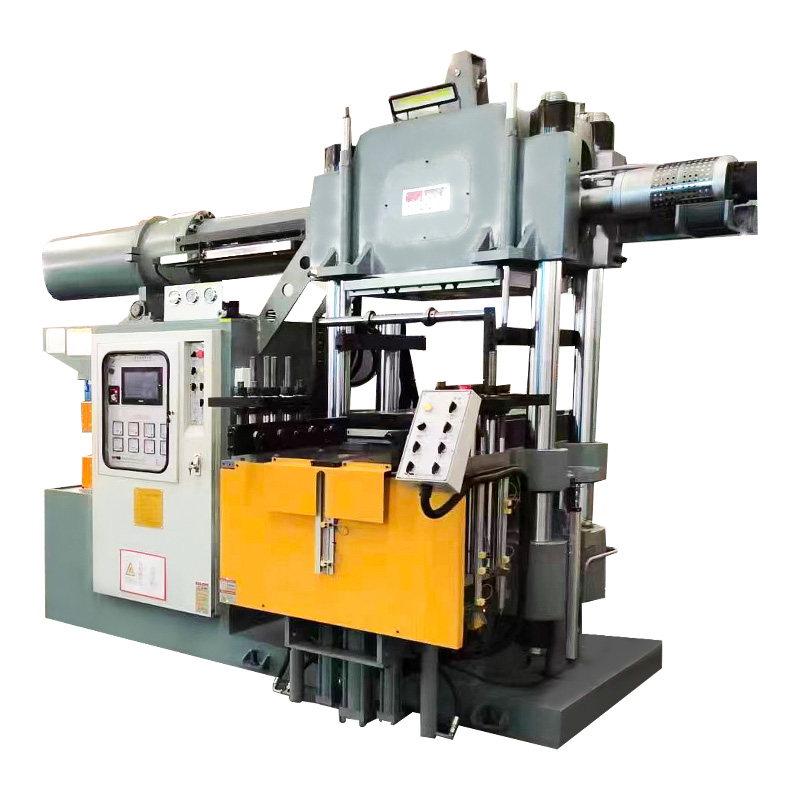
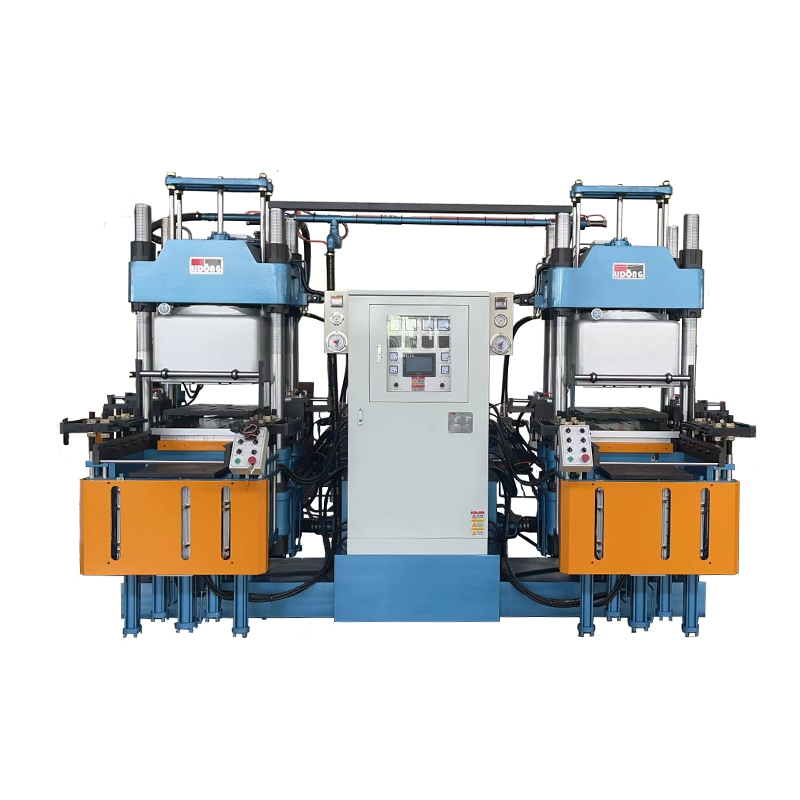
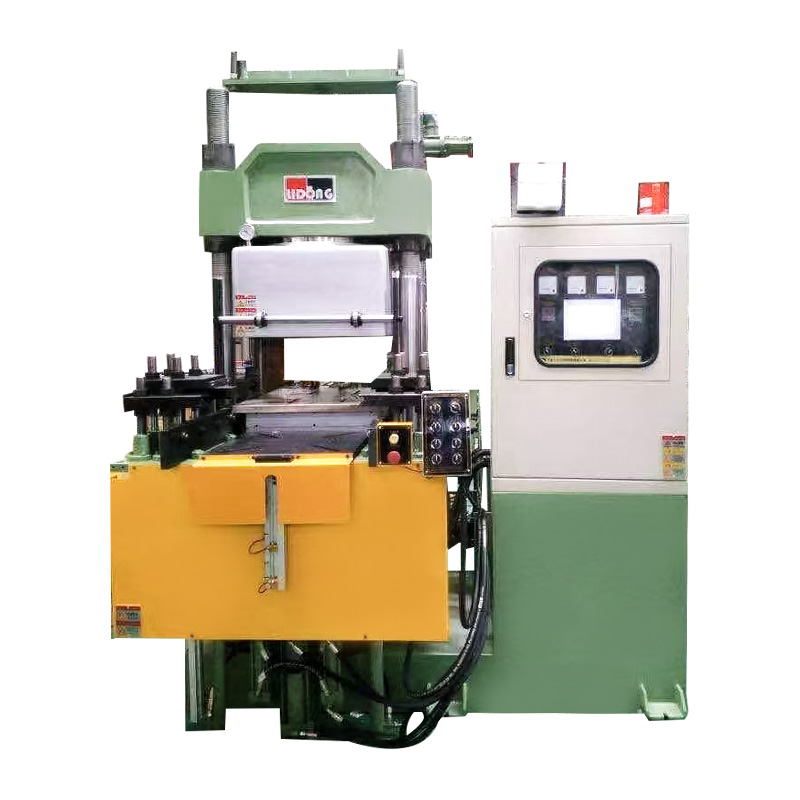
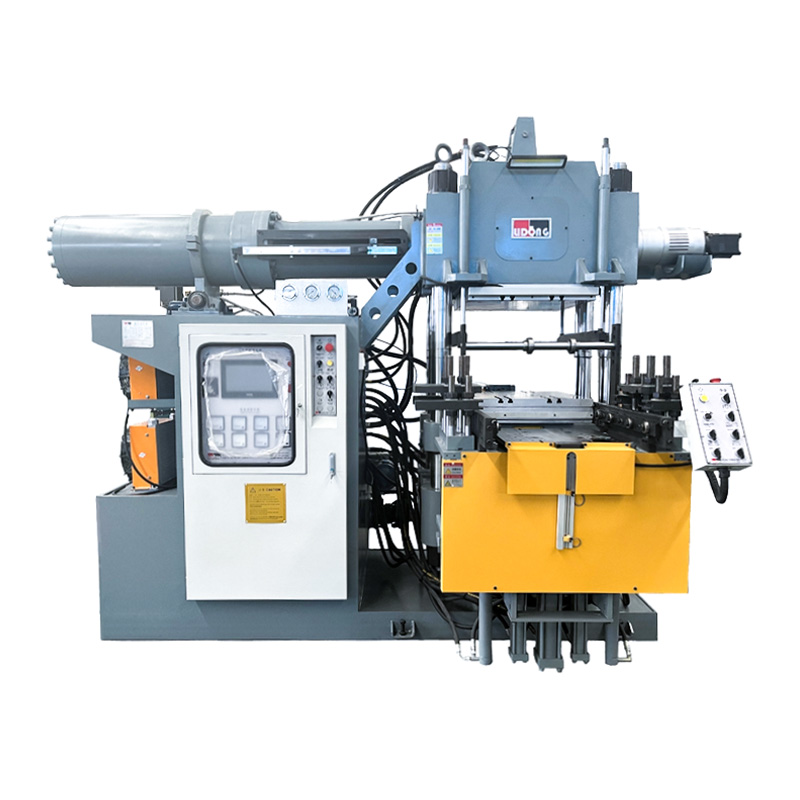
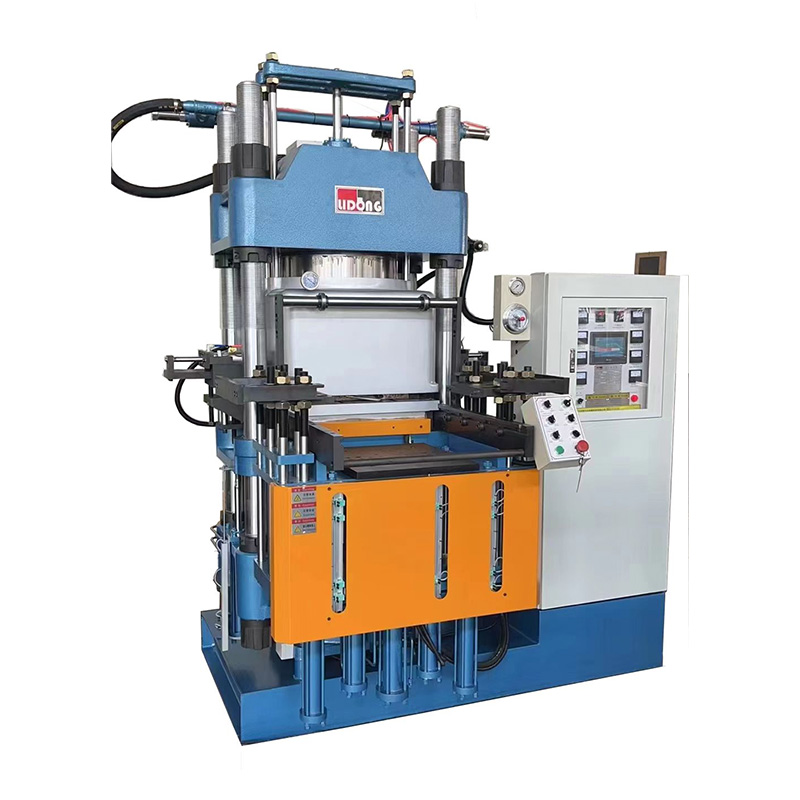
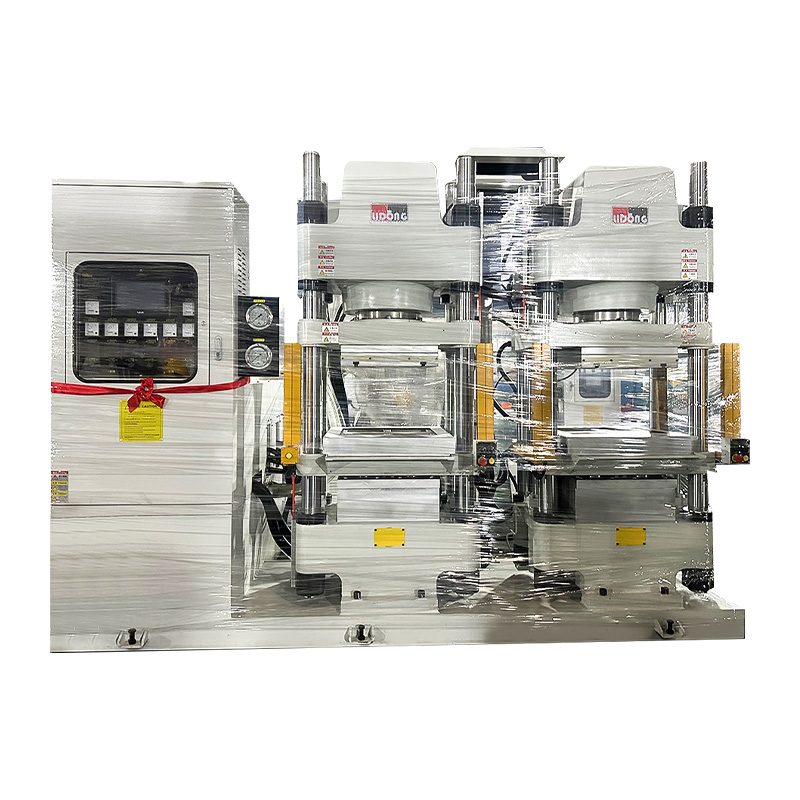
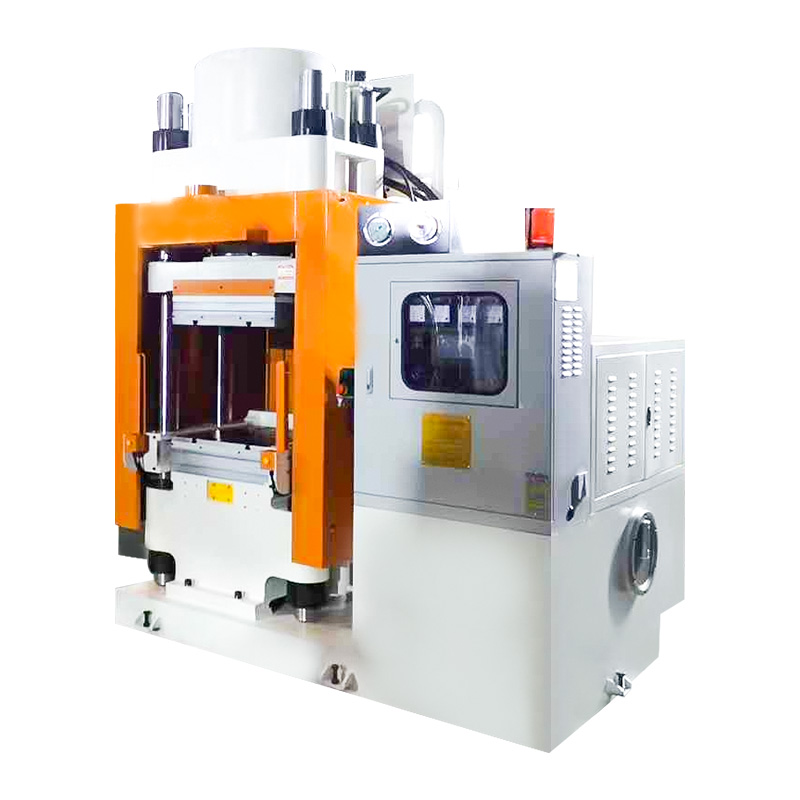
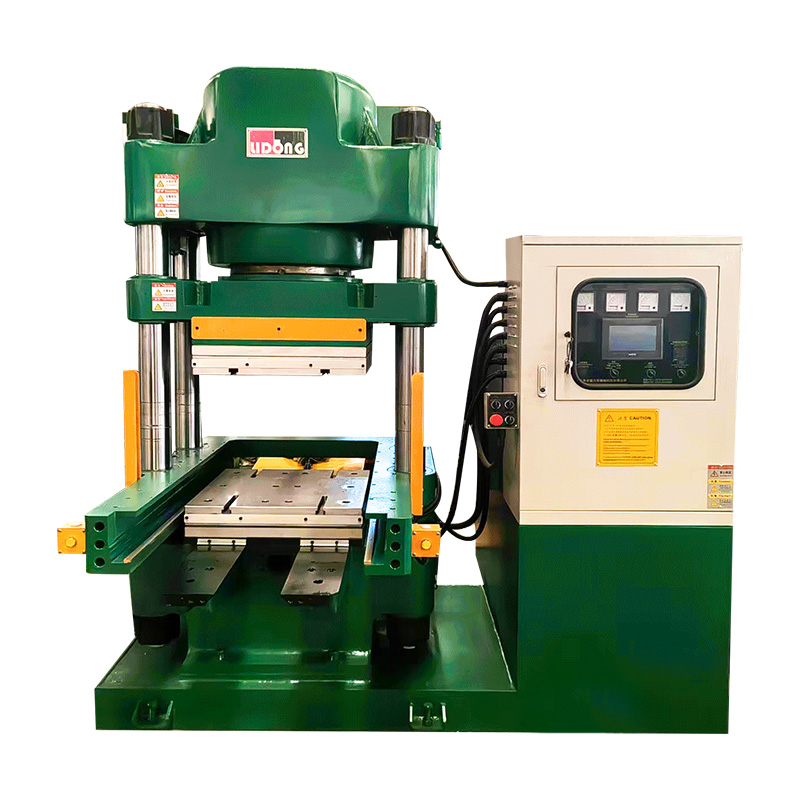
Technical Parameters
The following are typical configurable values for equipment used in cable accessory rubber curing. Final specifications depend on part size, material and layer structure, and are confirmed in the technical agreement.
| Parameter | Typical Range | Relevance to Cable Accessories |
|---|---|---|
| Clamping force | 100 - 800 tons | Depends on mold layout and projected area |
| Platen size | 500 x 500 to 1000 x 1000 mm typical | Fits multi-cavity or large single-cavity molds |
| Platen temperature | Up to 200 degrees C standard | Higher range for some silicone systems |
| Temperature uniformity | About plus or minus 2 degrees C | Even cure through thick insulation walls |
| Vacuum assistance | Optional, about -0.095 MPa and below | Removes air from thick and layered parts |
| Machine type | Plate press, vacuum press or injection machine | Chosen by material and part design |
| Pressure control | Programmable with automatic make-up | Holds mold closed during cure and expansion |
| Daylights | 1 - 4 layers | Raises output for medium cure times |
| Control | PLC with touchscreen and recipe storage | Repeatable cycles, optional data recording |
How to read these figures: for thick insulating parts, temperature uniformity and vacuum quality matter more than maximum tonnage. A press with good uniformity cures the wall evenly, and vacuum removes air before the rubber flows. Please also check how fast the press recovers heat after loading a cold mold, since long recovery times lengthen the cycle.
Send us the part drawings, material type and layer structure, and we will recommend the machine type, platen size, tonnage and vacuum option that match your target output.
Selection steps. First list your part families and their largest dimensions. Second, decide whether vacuum is needed for each family. Third, choose between a plate press and an injection machine according to volume. Fourth, define the daily output and the cure time to find the number of layers or stations. Writing these answers into the technical agreement prevents surprises later.
Special Focus: Voids, Layers and Cleanliness
Buyers in this field usually ask first about quality assurance. The following points explain how machine and process work together.
| Concern | Why It Matters | What Helps |
|---|---|---|
| Internal voids | Possible weak points in the electrical field | Vacuum assistance, breathing steps, correct preform shape |
| Layer bonding | Layers must act as one part | Stable temperature and pressure, clean surfaces |
| Wall thickness | Affects electrical and mechanical performance | Parallel platens, accurate mold alignment |
| Contamination | Dust or fibers inside insulation are a defect | Clean workshop, covered handling, wiped molds |
| Cure consistency | Different cure causes different properties | Zone temperature control, recipe storage |
Points experienced buyers check:
- Vacuum performance in real use. Ask for pump-down time with your mold in place, not only the ultimate vacuum figure.
- Temperature recovery after loading. Cold molds slow the cycle and can cause uneven cure at the start.
- Cleanliness of the press design. Open hydraulic parts, dripping oil and dust near the molding area create contamination risk. Covers and good oil sealing help.
- Data records. Utility customers may request cure data, so the ability to log temperature, pressure and vacuum is useful.
We will say plainly if a part is better made by injection molding than by compression, since the best choice depends on material, shape and volume.
Practical note on preforms. The shape and cleanliness of the rubber preform strongly influence air trapping. Smooth, compact preforms placed carefully trap less air than loose or folded pieces. Wipe molds before each cycle and keep preforms covered until use. These simple habits often reduce void rates more than any later change, and our engineers are glad to review your handling steps by video.
Automation and Control System
Cable accessory parts are valuable and quality-sensitive, so the control system needs to prevent variation between cycles and between operators.
- Recipe storage: each part number has saved temperature, pressure steps, vacuum timing and cure time.
- Vacuum sequence control: pump-down, hold, press closing and release are timed in the PLC, with a vacuum sensor confirming each step.
- Staged closing: slow and gentle closing avoids moving inserts, cores or semi-conductive layers.
- Multi-zone temperature control: reduces gradients across large molds.
- Data recording option: stores temperature, pressure, vacuum and cure time for every cycle.
- Alarms and interlocks: faults stop the cycle safely and are shown clearly on the screen.
Handling and automation: accessory molds can be heavy and awkward. Slide-out tables, mold carriers and lifting aids make loading safer, and keep the mold cleaner by reducing handling. For higher volume, a shuttle system, automatic loading or an injection-type machine with automatic dosing can be used. For liquid silicone, the mixing and dosing unit can be linked to the same PLC.
We advise starting with a PLC press with vacuum and data recording, and leaving interfaces ready for later automation. The electrical design can be prepared in advance so that upgrades do not require a new cabinet.
Operator view. The touchscreen shows the active recipe, platen temperatures, vacuum level and cure time remaining on one page. Settings that influence part quality can be locked by password, and alarms are shown in clear English. We provide a manual and training material, and remote help is available when your technician wants advice on a new part.
Structure and Materials
Cable accessory molding combines heat, pressure and often vacuum. The structure must be rigid, clean and thermally stable.
| Component | Design and Material | Purpose |
|---|---|---|
| Frame | Heavy welded steel, stress relieved | Keeps platens parallel under full load |
| Platens | Alloy steel, ground, zone heating | Flat, even heat for thick walls |
| Vacuum enclosure | Welded steel with heat-resistant seals, where specified | Holds vacuum through repeated heat cycles |
| Guide system | Wear-resistant guides | Accurate alignment for even wall thickness |
| Insulation | Boards and heat shields | Stable temperature and protected seals |
| Hydraulic system | Separate station with filtration and good sealing | Clean molding area, stable oil temperature |
| Covers | Protective covers on cylinders and guides | Reduces dust and oil contamination risk |
Cleanliness by design: hydraulic components are placed away from the molding area where possible, and oil seals are chosen to avoid dripping. For very demanding products, additional covers and a smooth, easy-to-clean platen surround can be provided.
Material choices: for silicone processing, we select lubricants and release-agent compatible parts so that residues do not harm bonding. If you have a list of restricted substances, send it with the inquiry.
Each machine is checked for flatness, parallelism, temperature uniformity and vacuum leak rate before shipment, and the results can be shared with you.
Maintenance in practice. Check vacuum seals and fittings regularly, lubricate guides, inspect hydraulic oil and filters, and clean platens of residue. Seals are wear parts, so we supply spare sets and design them for easy replacement. A simple leak-check routine in the PLC lets your team spot a problem early, before it affects part quality or cycle time.
Safety and Energy Efficiency
Presses that combine pressure, heat and vacuum need a careful safety design. Delidong machines include the following.
- Emergency stop at the operator and loading positions
- Light curtain or guard doors connected to the PLC
- Hydraulic overpressure protection with a pressure relief valve and monitored sensor
- Vacuum interlock that stops chambers from being opened until pressure equalizes
- Independent over-temperature protection on every heating zone
- Insulated surfaces and warning labels on hot parts
Handling advice: accessory molds can be large and hot. Use lifting aids and mold carts, wear heat-resistant gloves and protective clothing, and keep walkways clear. Silicone cures, particularly with peroxide systems, can release vapors, so ventilate the area and follow the material supplier's safety data.
Energy efficiency: good insulation and PID control reduce heat use. A vacuum chamber matched closely to the mold needs less pumping and heating. A variable-speed hydraulic system saves power during long pressure-holding stages, and a stand-by temperature function helps during breaks. Because accessory cures can be long, these savings add up over a year. Less scrap from voids and layer defects saves even more, since each rejected part carries the cost of material, labor and a full cure cycle.
Training and records: keep a log of safety checks, vacuum leak tests and oil changes. A monthly test of emergency stops, light curtains and over-temperature cut-offs takes little time. We can provide a one-page English checklist that you can adapt to your own procedures.
Fume and dust control. Local ventilation above the press and a tidy, dust-controlled work area improve operator comfort and also reduce contamination risk in the molded parts.







