English
 عربى
 中文繁体
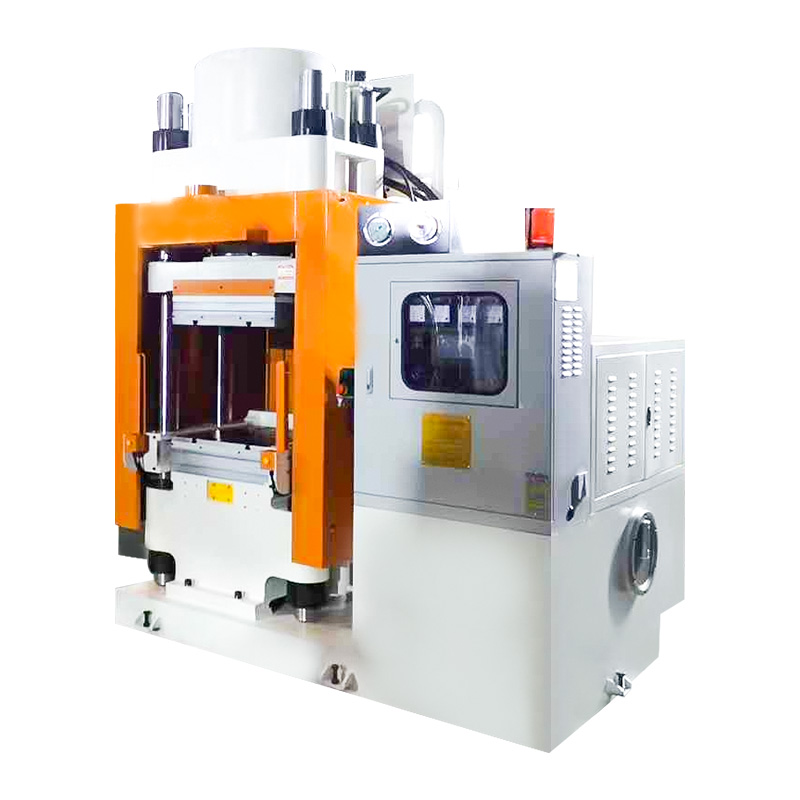
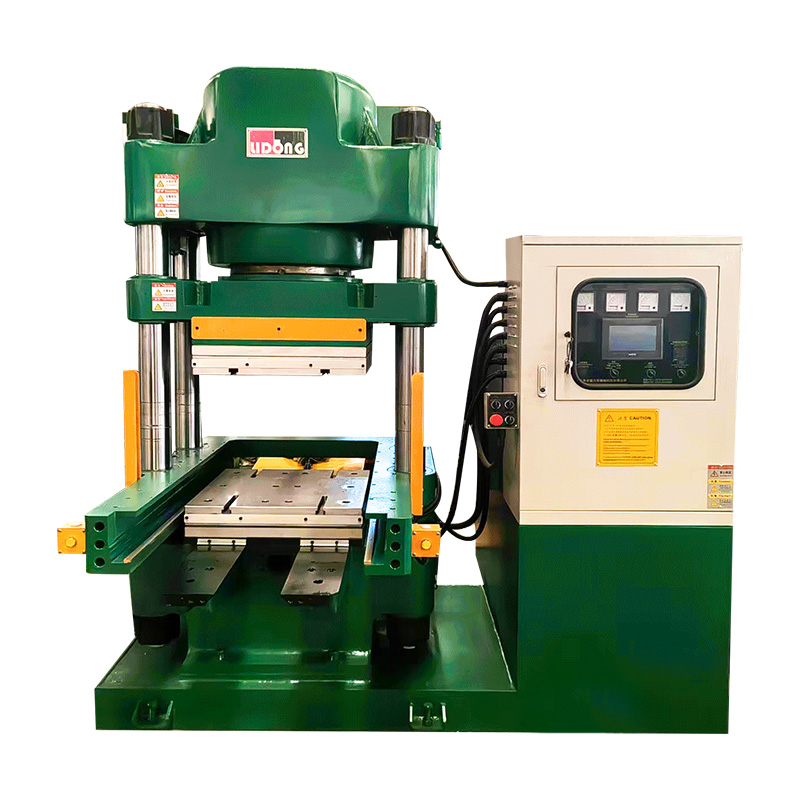
Technical Parameters
The table lists typical configurable values for an automatic mold loading unloading machine. Every system is designed around the customer's molds and press, so final figures are written into the technical agreement.
| Parameter | Typical Range | Notes |
|---|---|---|
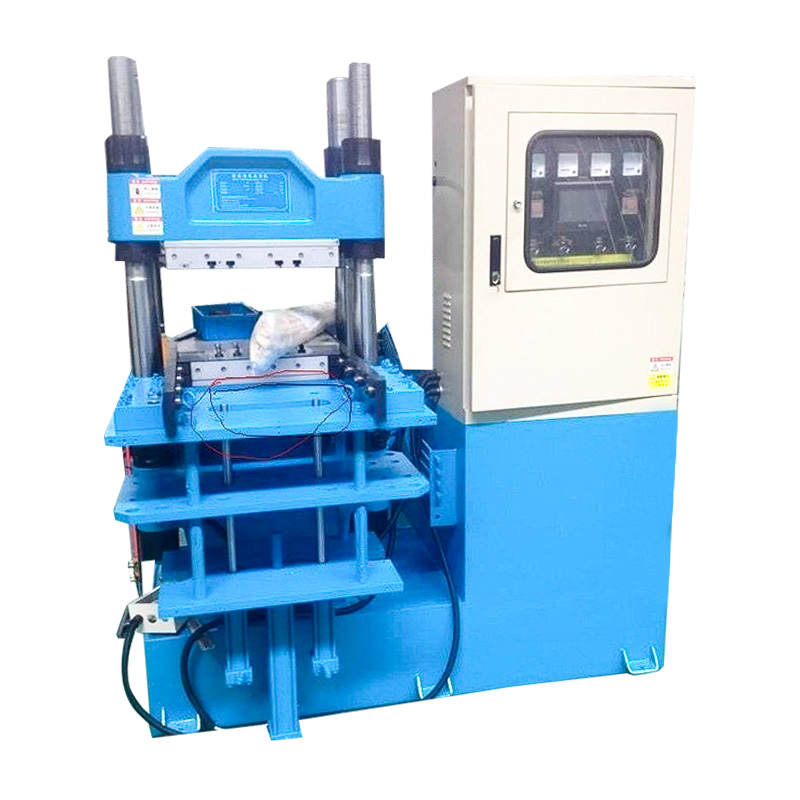
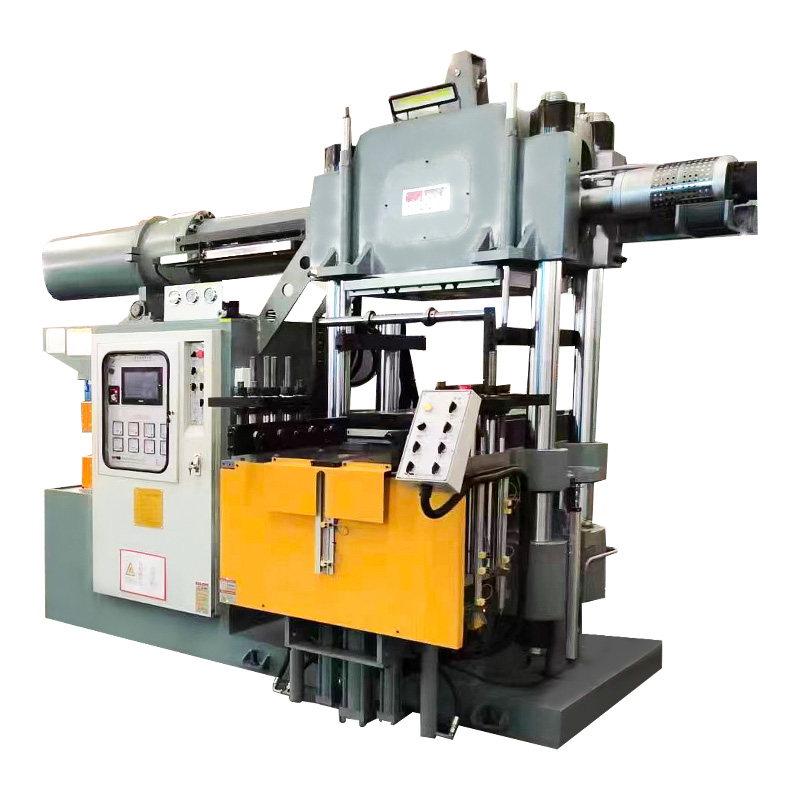
| Compatible press | 50 - 500 ton plate or shuttle presses | Other presses on request |
| Mold size range | From about 300 x 300 mm to 800 x 800 mm | Mold base standardization improves reliability |
| Mold weight | Up to several hundred kg | State the heaviest mold |
| Mold pull-out and push-in | Servo, hydraulic or pneumatic drive | Chosen by weight and speed |
| Demolding method | Sweeping, ejecting, suction or gripping | Depends on the product shape |
| Cavity cleaning | Air blow, brush or vacuum | Optional release agent spray |
| Rubber feeding | Strip, preform tray or manual tray | Depends on the process |
| Positioning accuracy | Mechanical guides plus sensors | Keeps mold aligned on the platen |
| Cycle for handling steps | Usually tens of seconds, depends on the system | Confirmed with your mold in design |
| Control | PLC with touchscreen, linked to the press | One start button for the whole cell |
How to read the table: the most important numbers are mold weight, mold size and the demolding method. A system that handles a lightweight mold with simple parts may be far less costly than one that handles heavy molds with deep, complex parts. For this reason, we ask for drawings and sample parts before proposing a design.
Please also tell us how your rubber is fed (strips, preforms or loose pieces) and whether the cured parts must be sorted, counted or stacked after removal. These details decide the layout of the cell and the cost, and defining them early avoids changes after the contract is signed.
Special Focus: What to Automate First
Full automation is not the best first step for every plant. A better approach is to look at where the most time and risk sit in your cycle, and then automate in stages.
| Stage | What It Does | Benefit | Complexity |
|---|---|---|---|
| 1. Mold pull-out and push-in | Moves the mold in and out of the press | Removes hot, heavy lifting | Low |
| 2. Mold opening and part removal | Opens the mold and takes out parts | Saves most of the operator time | Medium |
| 3. Cavity cleaning and spraying | Cleans and prepares the cavities | Better, steadier part quality | Medium |
| 4. Rubber loading | Places strips or preforms into the mold | Full hands-free cycle | Medium to high |
| 5. Part sorting and packing | Collects, counts and stacks parts | Fewer labor steps after molding | High |
Questions that decide success:
- Is the mold designed for automation? Molds with easy-opening features, clear ejection and simple cavity access work much better than molds made for manual use only.
- Are the parts consistent in shape? Stable products make robot or sweeper removal reliable. Very sticky or fragile parts need extra care.
- How long is the run? Long runs of the same mold justify automation more easily than frequent changes.
- Is flash controlled? Heavy flash can jam removal devices, so good mold and process control come first.
We will tell you plainly if your mold or product needs changes before automation makes sense.
Payback thinking. To judge whether automation pays, compare the cost of operators, scrap from handling errors and lost press time with the cost of the cell. Many plants find that stages one and two give most of the benefit at moderate cost, and later stages can follow when volume justifies them.
Automation and Control System
The control system is the heart of the loading and unloading cell. It must coordinate the press, the mold carrier, the demolding device and the rubber feeding, and it must do so safely, without surprises.
- One-start sequence: after the operator presses start, the cell repeats the cycle automatically: open press, pull mold, open mold, remove parts, clean, load rubber, close mold, push in, close press.
- Sensor feedback at every step: position and presence sensors confirm that each step is completed before the next begins.
- Recipe storage: mold size, stroke positions and timing are stored for each mold, so changeover is a matter of selecting the recipe.
- Manual and automatic modes: technicians can jog each axis for setup and service.
- Fault diagnosis: the touchscreen shows which sensor or step caused a stop, which shortens repair time.
- Production data: counters for cycles, parts and stoppages help supervisors track performance.
Press integration: the PLC of the handling system exchanges signals with the press PLC, so that the press only closes when the mold is in the correct position and the handling device is clear. Pressure, temperature and cure time are still controlled by the press, and the handling system never overrides them.
Where required, the cell can connect to a factory network for data export, and our engineers can support remote diagnosis if you permit it. If you plan to expand to several presses served by one handling unit, tell us now, and we will design the control architecture for that growth.
Operator view. The touchscreen shows each axis position, the active recipe and the step in progress, with plain-language alarms. Supervisors can lock recipes by password. We provide an English manual and basic training material.
Structure and Materials
Handling equipment works in a hot, dusty and sometimes oily environment, and it moves heavy molds thousands of times each month. The structure and the materials need to be designed for this daily work.
| Component | Design and Material | Purpose |
|---|---|---|
| Base frame | Welded steel structure, stress relieved | Rigid platform that keeps all axes aligned |
| Guide rails | Hardened rails or linear guides, with covers | Smooth and accurate movement |
| Mold carrier | Heavy steel plate with wear strips | Carries hot molds without deflection |
| Drive system | Servo motors, hydraulic cylinders or pneumatic cylinders | Matches load, speed and precision |
| Gripper or sweeper | Heat-resistant steel with replaceable contact parts | Removes parts without damaging them |
| Heat shields | Insulated panels near rails and drives | Protect moving parts from radiation |
| Cabling | High-temperature rated, in protective chains | Long life in a hot environment |
Detail that matters: contact parts, such as sweeper blades, grippers and suction cups, wear faster than anything else. We design them for quick replacement and supply spare sets, so a worn part does not stop your line. We also use covers on the rails to keep rubber dust and release agent away from precision surfaces.
For plants with strict cleanliness needs, such as medical or food-related products, we can discuss stainless contact surfaces and suitable lubricants. Please share your requirements at the inquiry stage, since this changes material selection.
Before shipment, each system is run with a test mold at full cycle for an extended period, so movement, alignment and sensor response are verified at our factory.
Maintenance. Clean rails and covers weekly, check lubrication and inspect contact parts regularly. Wear parts are designed to be swapped quickly, so repairs usually take minutes instead of hours.
Safety and Energy Efficiency
Moving machines beside a hot press require a deliberate safety design. Automation removes the operator from the most dangerous task, but it creates new hazards in the working area, and those must be controlled.
- Safety fencing or light curtains around the handling area, with interlocked doors for service access
- Emergency stops at the operator station and at the cell entrance
- Safe speed and soft stops on all moving axes
- Mechanical stops and brakes that hold the axes if power is lost
- Press interlock so that the press and the handling device cannot move into each other
- Clear warning signs and floor markings for restricted areas
Energy and resource use: automation saves energy mostly through better use of the press. When the mold change is quick and repeatable, platens stay hot and the press produces more parts per kilowatt-hour. Servo and pneumatic systems use power mainly when moving, and we size compressors and air lines to avoid waste. Fewer damaged parts and less scrap also save material.
Human factors: operators are freed from heavy, hot and repetitive work, though they still need training for setup, supervision and safe intervention. We provide an English manual with a safety chapter, and we recommend a short training session during commissioning. Our engineers can review your layout and suggest safe walkways, supervisor positions and emergency access.
Commissioning safety check. After installation, test every light curtain, interlock and emergency stop together, and record the result. Repeat the test periodically, especially after maintenance work. A short written checklist helps new staff learn the safe routine, and we can provide a template in English that you can adapt to your own factory rules and training.