
 English
 عربى
 中文繁体

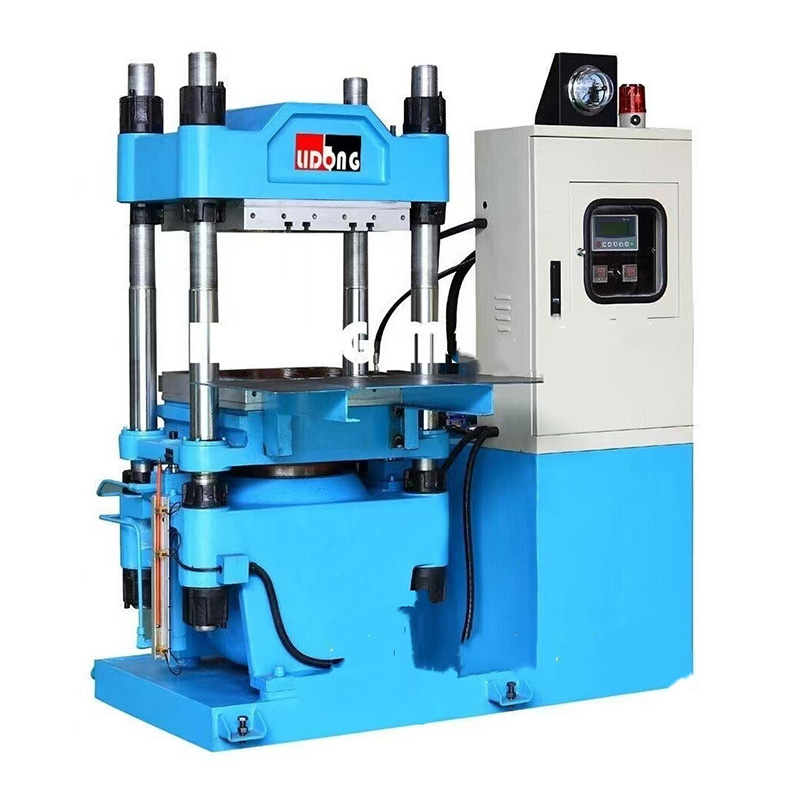
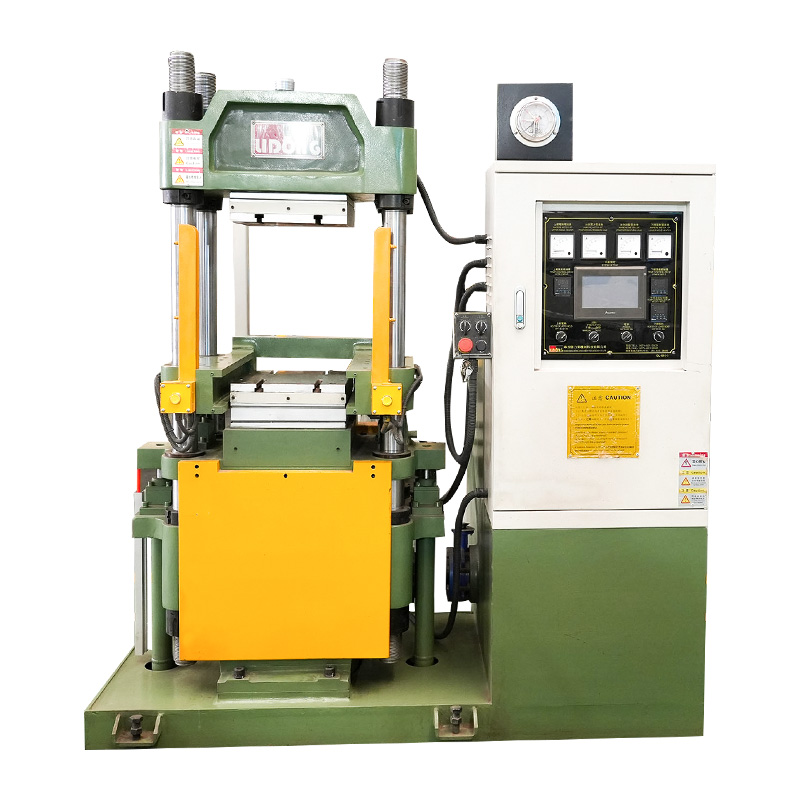
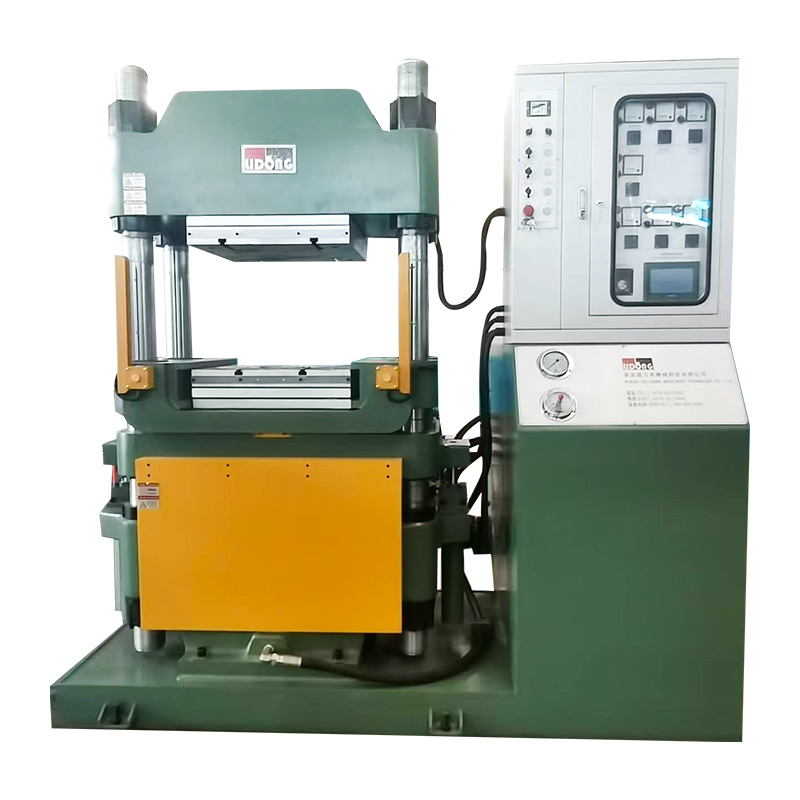
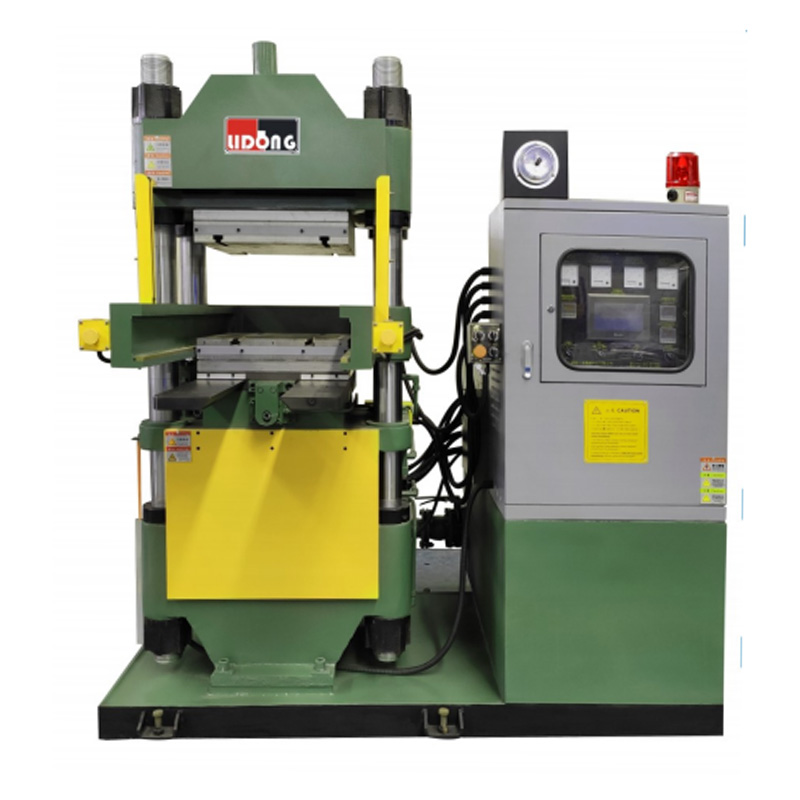
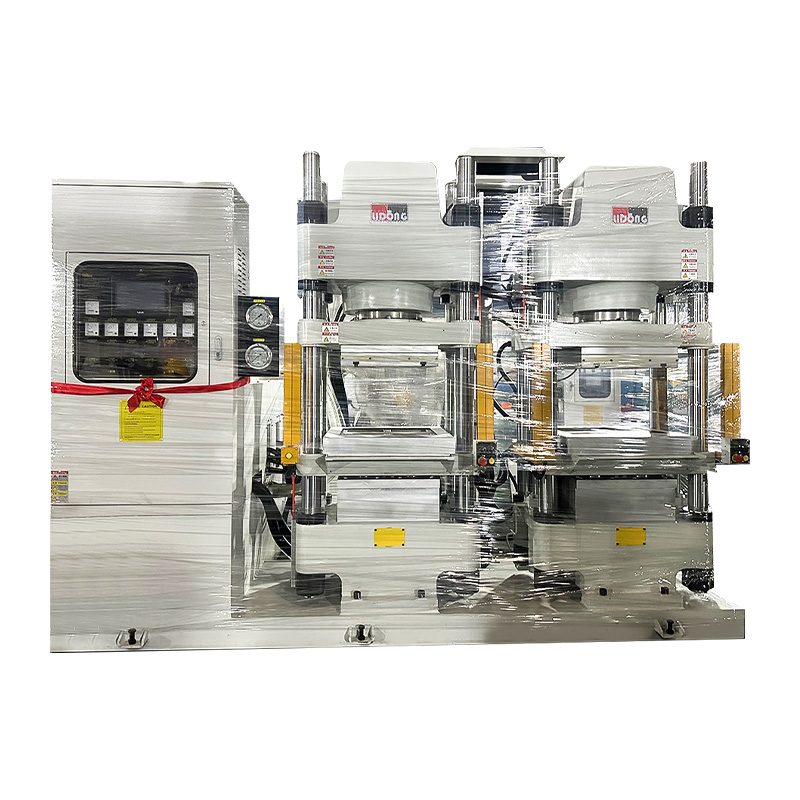
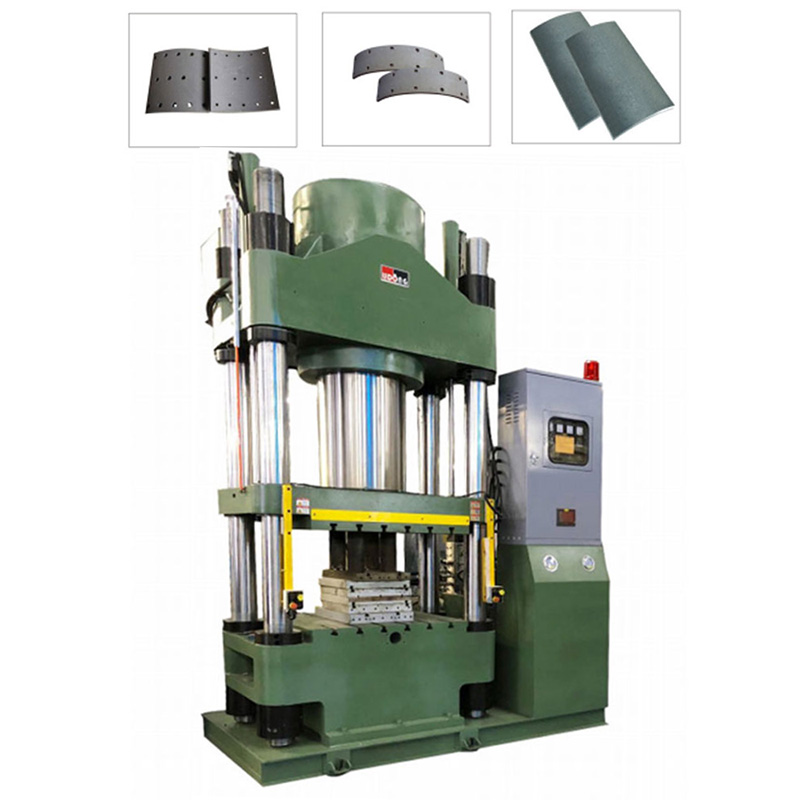
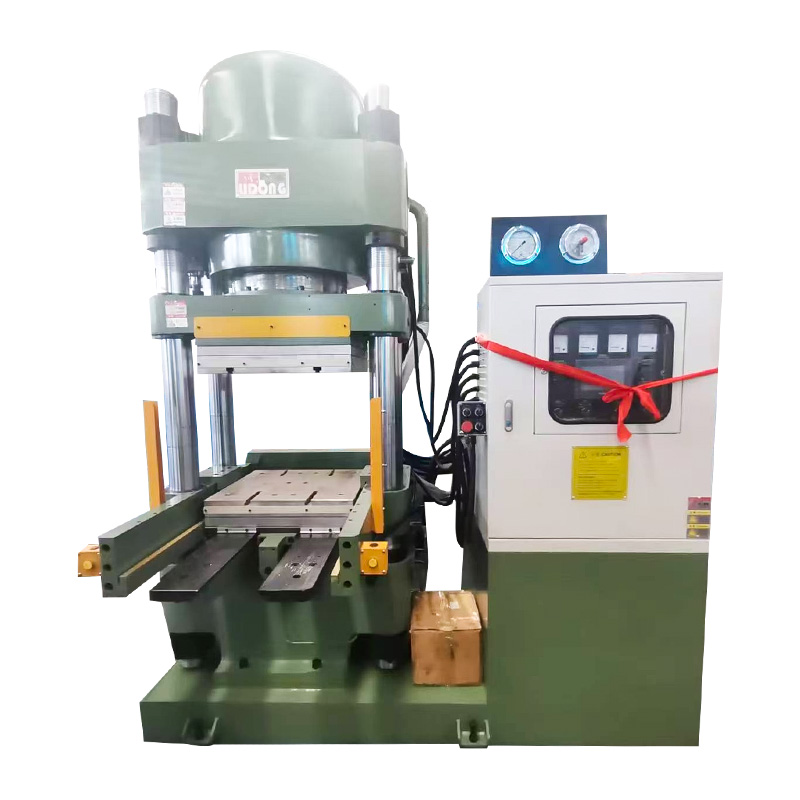
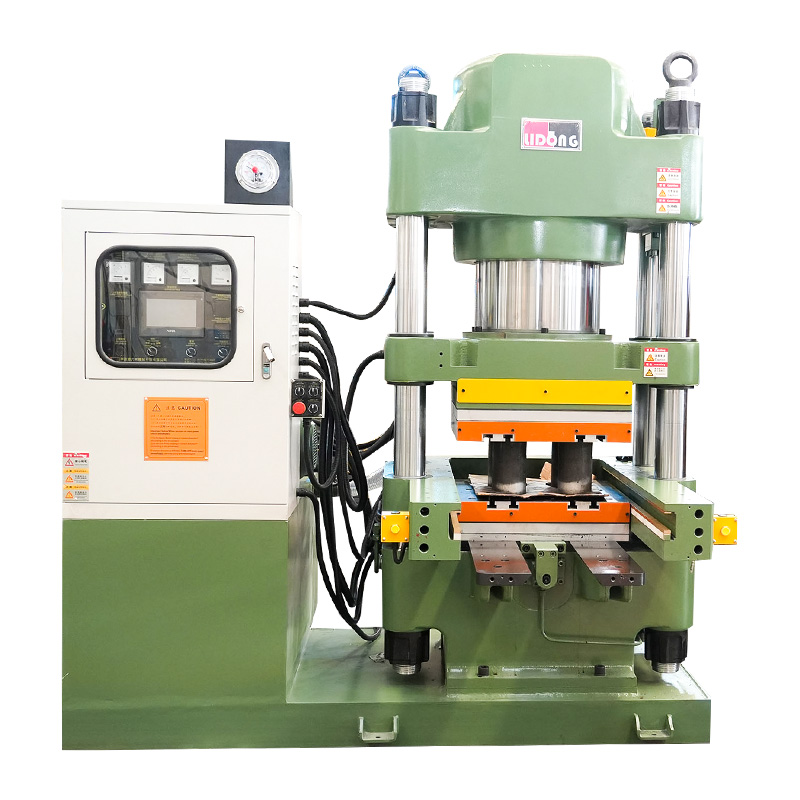
Technical Parameters
The table lists typical configurable values for friction material compaction presses. Final specifications depend on your materials, die sizes and output, and are confirmed in the technical agreement.
| Parameter | Typical Range | Relevance to Compaction |
|---|---|---|
| Pressing force | About 50 - 1500 tons | Covers organic, semi-metallic and sintered materials with the right model |
| Pressing pressure | From tens of MPa to several hundred MPa, by material | Sets the density of the compact |
| Pressure control | Closed loop, multi-step profile | Air escape and even consolidation |
| Speed control | Adjustable approach, pressing and release speeds | Prevents trapped air and cracks |
| Dwell time | Programmable with automatic make-up | Better particle contact |
| Stroke control | Position sensing with accurate stop | Dimensional accuracy and density |
| Ejection | Hydraulic with controlled speed | Protects fragile compacts |
| Heating option | Heated tooling where the process needs it | Warm pressing and some thermosetting routes |
| Data recording | Pressure, stroke and time for each cycle | Compaction curves and traceability |
| Control | PLC with touchscreen, recipe lock and data storage | Repeatable trials and production |
How to read the table: for a compaction press, the pressure range, the quality of the pressure and speed control and the data recording are the main points. As a simple example, a compact with a pressing area of about 50 square centimeters at 300 MPa needs roughly 150 tons, while the same area at 30 MPa needs only about 15 tons. A press sized for the first case can be unsuitable for fine control in the second, so we discuss the pressure range you really need.
If you work with several material families, one press with two pressure ranges or a pair of presses may serve you better than one large press that does everything. Please send your material types, die sizes, target densities and output, and we will recommend a press size and control package.
Practical advice. Specify the lowest and the highest pressure you expect to use. A press has the best control in the middle of its range, so choose the size accordingly.
Special Focus: Pressure, Density and the Compaction Curve
Different friction materials need very different compaction conditions. The table gives a simple overview of the main families.
| Material Family | Typical Compaction Approach | Points to Watch |
|---|---|---|
| Organic (NAO) mixes | Moderate pressure, often with heat to cure the resin | Gas release, resin aging, sticking |
| Semi-metallic mixes | Moderate to higher pressure, with heat | Dense, abrasive material, tool wear, degassing |
| Ceramic mixes | Moderate pressure, with heat | Brittle fibers, density uniformity, noise behavior |
| Sintered copper or iron-based mixes | Very high pressure, then sintering | Green density, cracks, ejection, die wear |
| Preforms (cold) | Low pressure, no heat | Handling strength, resin aging, weight control |
Why the compaction curve matters:
- It shows how the mix behaves. Plotting pressure against stroke, or density against pressure, shows how easily the mix compacts and how much it springs back.
- It detects change. If a new batch of mix gives a different curve, you see the difference before pads fail a test.
- It helps set the right pressure. Beyond a certain pressure, extra force adds little density but increases wear and the risk of cracks.
- It supports development. Comparing curves for different formulations helps you understand what each ingredient does.
Points that decide results:
- Speed. Pressing too fast traps air, causes lamination and leaves uneven density. A staged approach with a slow first stage is common.
- Dwell. A hold at full pressure allows particles to settle and air to escape.
- Release and ejection. Spring-back stress is released here, and a rough release causes cracks.
- Tooling. Dies and punches for abrasive mixes wear. Good materials and coatings, regular inspection and clean surfaces keep dimensions stable.
Our friction material preforming press page describes low-pressure cold compaction in more detail, and our powder metallurgy brake pad press and uniform density brake pad press pages cover related topics. Formulation, curing or sintering and testing belong to your technical team.
Honest advice. A compaction press is a tool for understanding and controlling your material, so a good data record is worth as much as extra tonnage.
Automation and Control System
Compaction needs exact control of pressure, speed and position. The control system should manage them together and keep a record.
- Recipe memory and lock: fill depth, approach speed, pressing speed, pressure steps, dwell, release speed, ejection steps and stroke limits are stored for each material and die, and changes need the right password level.
- Multi-step pressure profile: gentle precompaction, full pressure, dwell and controlled release are set separately.
- Closed-loop pressure and speed control: proportional or servo valves follow the set profile smoothly.
- Position-based stroke control: accurate position sensing and limits give repeatable dimensions.
- Compaction curve display and storage: pressure, stroke and time are plotted and stored for each cycle, so batches can be compared.
- Alarm and event log: faults, setting changes and out-of-limit cycles are recorded with time stamps and can be exported if you permit it.
Handling and automation: accurate filling is part of compaction. Weighing stations, automatic feeders, plate loading aids and transfer devices for fragile compacts can be added in stages. Dust extraction at the fill point keeps the workshop cleaner.
Operator view. The touchscreen shows the active recipe, the pressing stage, the live pressure curve and counters. An English manual and training material are provided, and remote support is available when your technician sets up a new die or reviews curves.
Development tip. When trying a new formulation, change only one ingredient at a time and compare the compaction curves. Small differences in the curve often explain later differences in density and strength.
Structure and Materials
A compaction press must be stiff, accurately guided and resistant to abrasive dust. Its structure is built around those needs.
| Component | Design and Material | Purpose |
|---|---|---|
| Press frame | Heavy welded or forged structure, stress relieved | Minimal deflection at rated tonnage |
| Main cylinder | Large bore, quality seals, position sensor | Smooth force and accurate stroke |
| Platens and die table | Thick alloy steel, ground flat and parallel | Even load transfer to the die |
| Guide system | Large hardened guides, adjustable | Accurate alignment under load |
| Ejection system | Hydraulic cylinder with controlled speed | Gentle release of compacts |
| Hydraulic station | Servo or proportional control, filtered and cooled | Smooth profiles and stable oil |
| Heating (option) | Heated platens or tooling with PID control | Warm pressing and thermosetting routes |
| Covers and wipers | Protection for rods, guides and sensors | Keeps abrasive dust out |
Why accuracy matters: compaction depends on accurate speed and position. A press with sloppy guides or a weak frame gives uneven density and wears dies quickly. We use heavy frames, well-guided platens and carefully placed cylinders, and we check parallelism and alignment at the factory.
Hydraulics: smooth pressure rise and release need quality servo or proportional valves and clean oil. We use filtration and cooling, and we recommend oil sampling at regular intervals.
Maintenance. Clean dust from the table, guides and sensors with suitable vacuum equipment, keep guides lubricated, check cylinder seals and sensors, and change hydraulic oil and filters according to the manual. Inspect punches, dies and die holders on a schedule, since abrasive materials wear tooling.
Before shipment, each press is run under load, and pressure control, speed control, stroke accuracy, alignment and safety functions are checked.
Safety and Energy Efficiency
Compaction presses store a lot of hydraulic energy and work with dusty materials, so safety design and good habits matter.
- Emergency stop at the operator position and at the loading side
- Light curtain or guard doors connected to the PLC, so the press cannot move while anyone is in the working area
- Hydraulic overpressure protection with relief valves and pressure monitoring
- Die and tooling guards against ejected fragments
- Safe die handling with lifting points and carts
- Dust extraction connections at the feeding and pressing area
Handling advice: friction mixes and metal powders are harmful to breathe, and some fine dusts can be combustible when dispersed in air. Provide dust extraction at powder handling and pressing stations, control ignition sources, ground equipment where needed, clean with suitable vacuum equipment and follow the safety data sheets of your materials and your local rules for protective equipment and explosion protection. Use rated lifting devices for dies, wear heat-resistant gloves when heated tooling is used and never reach into the die area when the press is active.
Energy efficiency: a servo-controlled hydraulic system uses power mainly while the press moves and holds pressure, instead of running a pump at full flow all the time. Good insulation on heated tooling lowers heat loss, and good control reduces scrap, which saves material and the energy of later curing or sintering steps.
Tell us your working hours and local power price, and we will compare options in the quotation.
Training and records. Keep a log of safety checks, dust system checks, sensor calibration and oil changes. A monthly test of the emergency stop, light curtain and pressure relief function keeps the press dependable.







