Rubber Molding Press Development from Compression to Injection and Vacuum Technologies
The earliest stage of
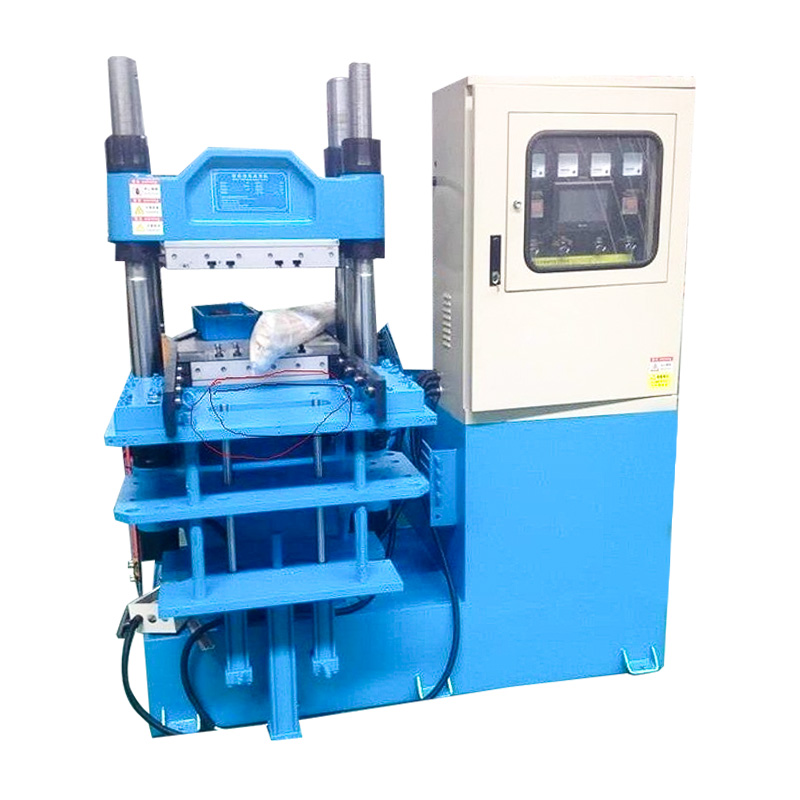
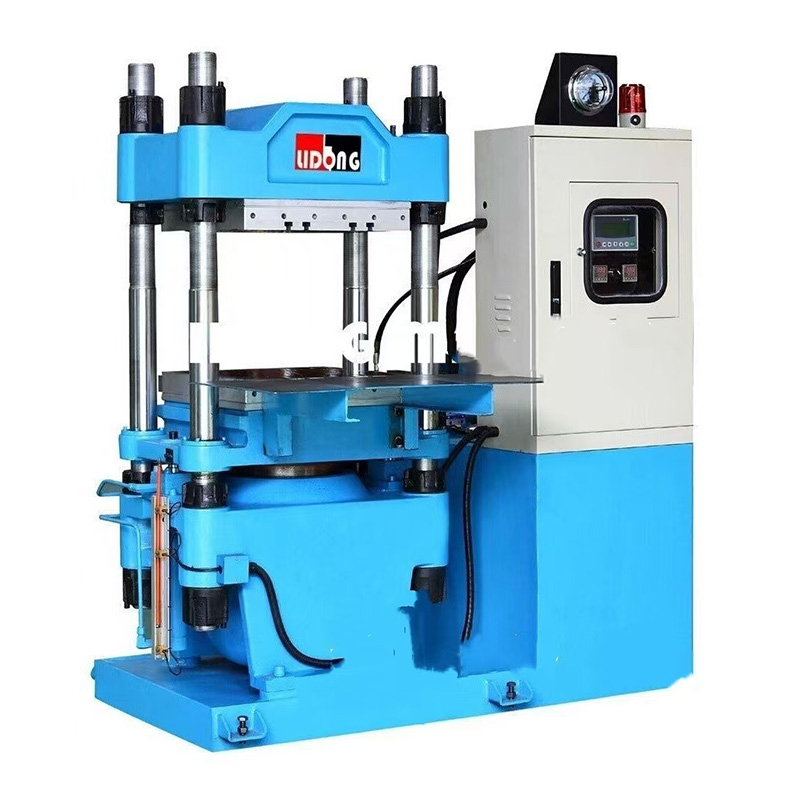
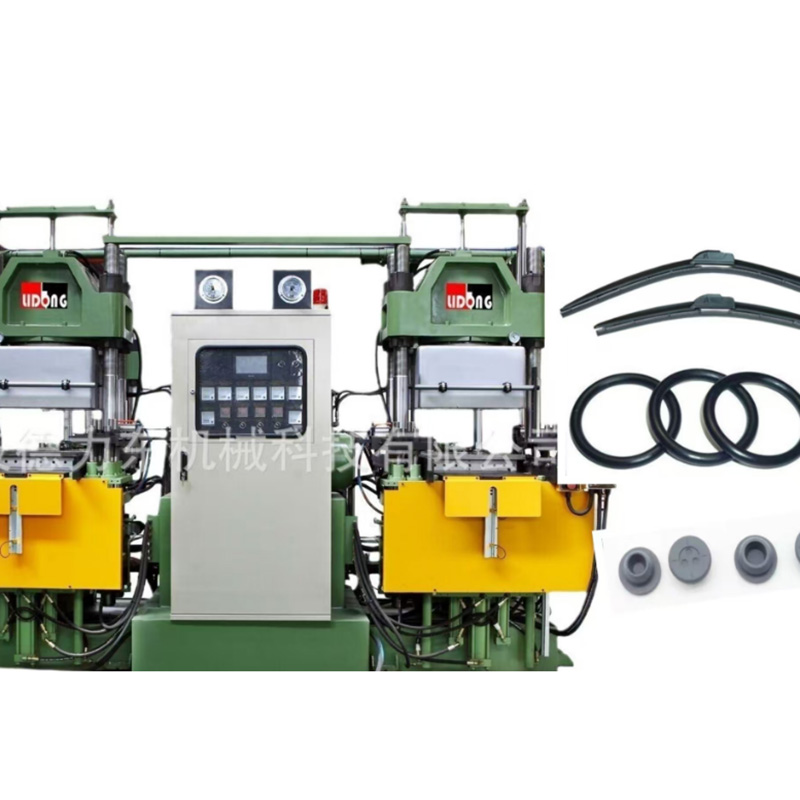
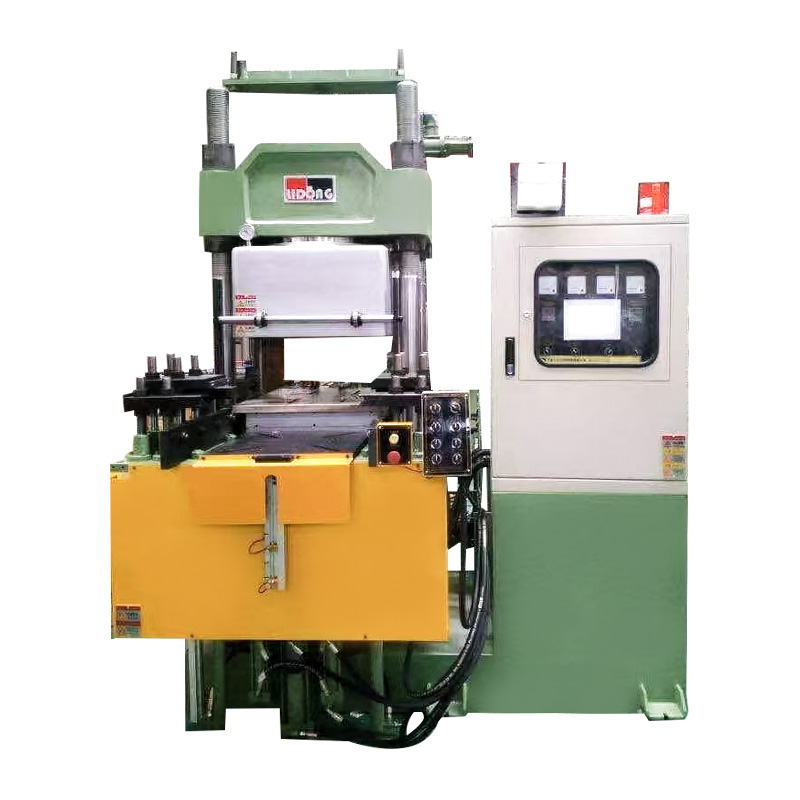
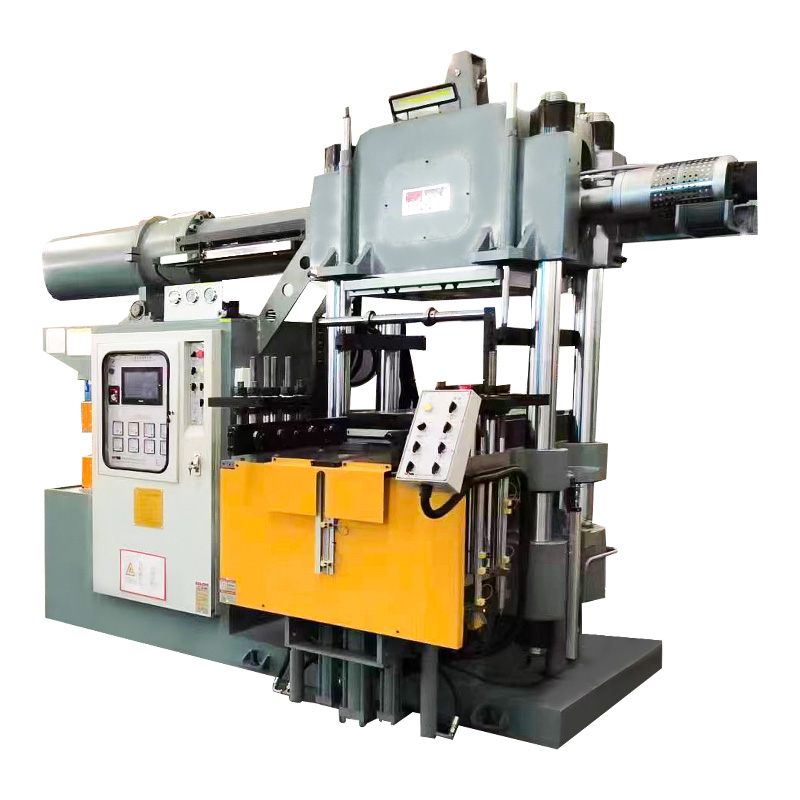
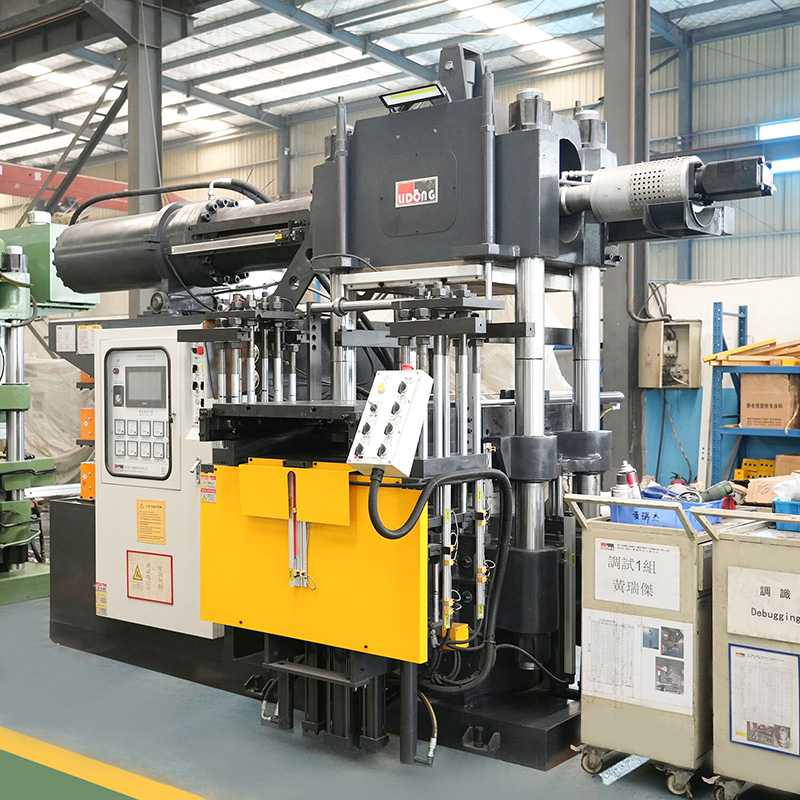
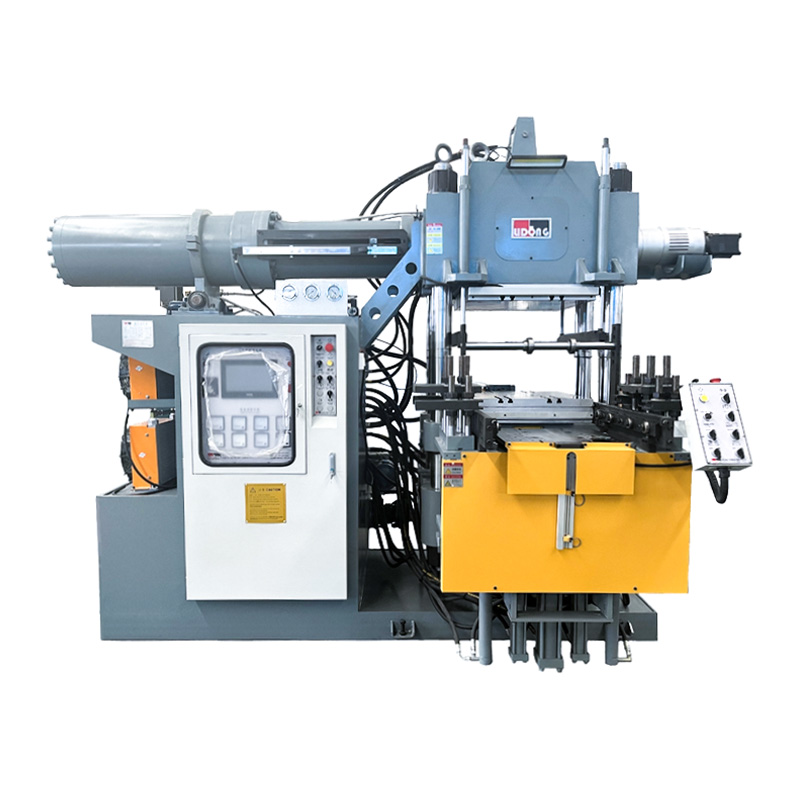
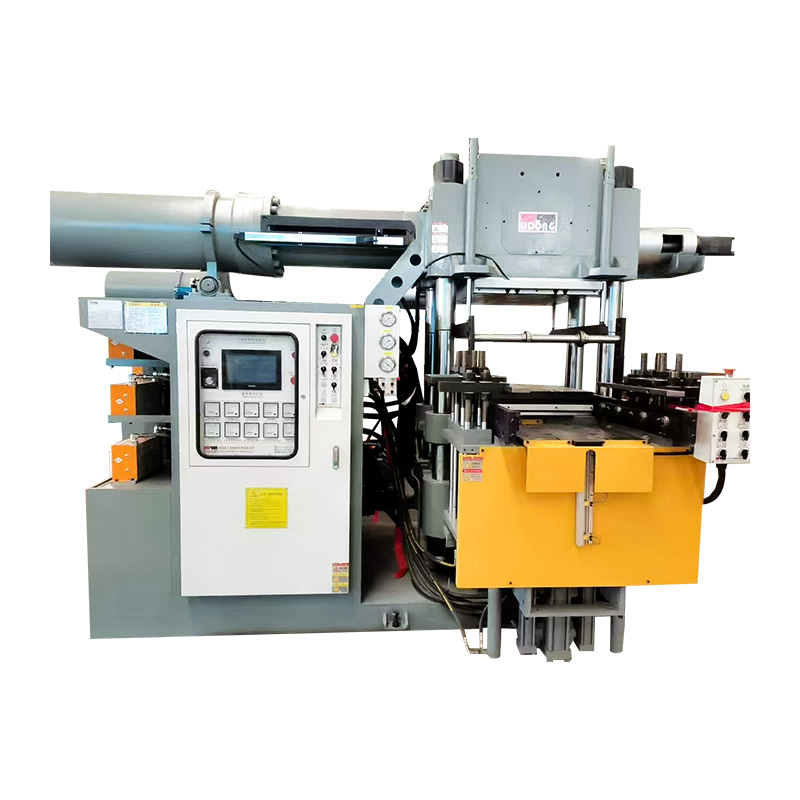
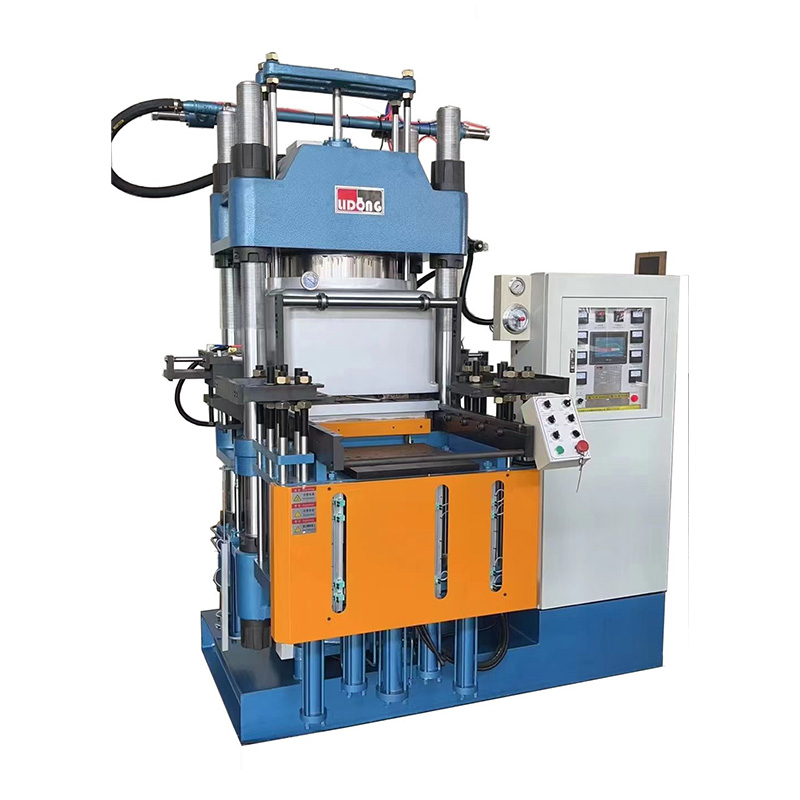
Rubber Molding Press development was centered on compression-based forming, where raw rubber compounds were manually placed into heated molds and subjected to pressure through a Molding Hot Press system. This method relied heavily on mechanical or basic hydraulic structures, where pressure distribution and temperature control were relatively simple but still capable of producing durable rubber components. In this phase, the Rubber Machine operated with limited automation, and process consistency depended largely on operator experience and manual adjustments. Ningbo Delidong Machinery Technology Co., Ltd. has extensive experience in designing and manufacturing such foundational systems, ensuring stable structural integrity and reliable performance even under continuous industrial use. The compression Rubber Molding Press provided flexibility for producing thick-walled or large rubber parts, and it was widely applied in early automotive and industrial sectors. However, challenges such as uneven material flow, air entrapment, and longer curing cycles led to inefficiencies. The lack of precise parameter control often resulted in product variation, requiring additional finishing processes. Despite these constraints, compression-based Molding Hot Press systems established the fundamental principles of rubber vulcanization, including heat transfer, pressure application, and mold cavity design. Ningbo Delidong Machinery Technology Co., Ltd. integrates modern engineering improvements into traditional compression systems by upgrading hydraulic responsiveness and thermal uniformity, allowing these machines to remain relevant in specific applications. The continued use of compression Rubber Machine solutions in certain industries highlights our ability to adapt legacy processes with modern enhancements, ensuring improved durability, better energy utilization, and compatibility with evolving production standards while maintaining cost efficiency.
| Parameter Category |
Specification A |
Specification B |
Specification C |
| Clamping Force |
100T |
200T |
300T |
| Heating Plate Size |
400×400 mm |
500×500 mm |
600×600 mm |
| Working Temperature |
0–200°C |
0–220°C |
0–250°C |
| Control System |
PLC Control |
PLC + HMI |
Intelligent Control |
| Application Type |
Basic Rubber Parts |
Automotive Parts |
High-Precision Parts |
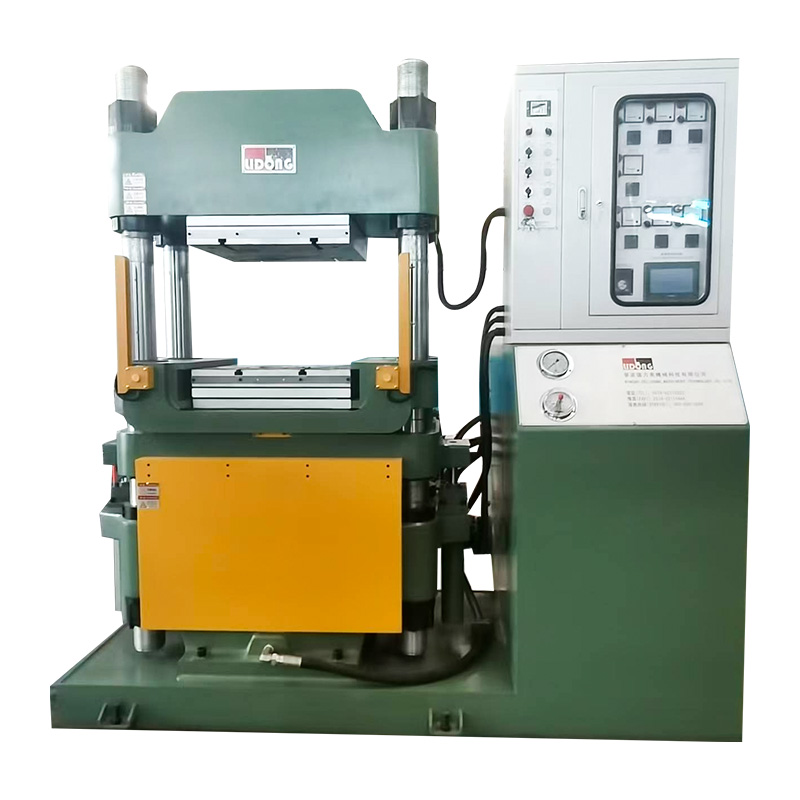
As industrial requirements expanded, the Rubber Molding Press evolved through significant improvements in hydraulic systems and control technologies, transitioning from purely mechanical setups to more precise and responsive configurations. The introduction of advanced hydraulic circuits in the Molding Hot Press allowed for uniform pressure application across the mold surface, reducing inconsistencies and improving product quality. Temperature control systems were also refined, incorporating multi-zone heating and feedback loops to ensure even heat distribution during the vulcanization process. Ningbo Delidong Machinery Technology Co., Ltd. has played a major role in advancing these capabilities by combining robust hydraulic engineering with intelligent control interfaces in its Rubber Machine solutions. The integration of programmable logic controllers (PLCs) enabled automated cycle management, reducing reliance on manual intervention and improving repeatability across production runs. These developments enhanced efficiency and minimized material waste, making Rubber Molding Press systems more competitive in large-scale manufacturing. Improved sealing systems and pressure monitoring technologies helped maintain stable operating conditions, reducing downtime and extending machine lifespan. Ningbo Delidong Machinery Technology Co., Ltd. incorporates these advancements into its Vacuum Vulcanizing Machine and other equipment, ensuring that each system operates with high precision and reliability. The transition to controlled hydraulic systems also enabled better adaptability for different rubber formulations, allowing manufacturers to process a wider range of materials with consistent results. This phase of development laid the groundwork for more advanced molding techniques by establishing accurate control over critical parameters such as pressure, temperature, and curing time, ultimately improving overall production efficiency and product performance in modern Rubber Machine applications.
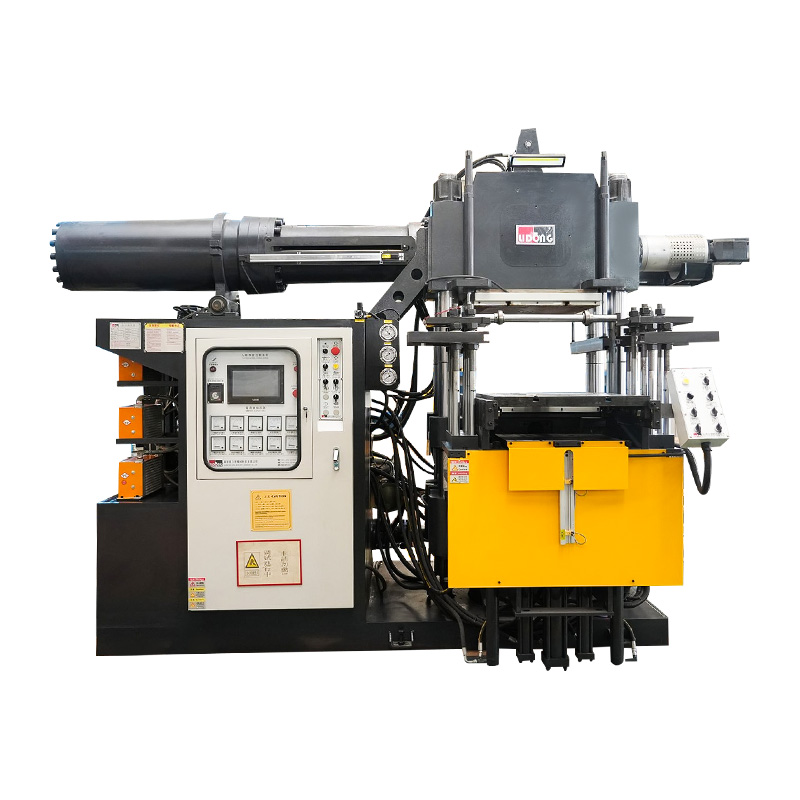
The introduction of injection technology marked a transformative phase in the development of Rubber Molding Press systems, shifting from manual material placement to automated and controlled injection processes. In this approach, rubber compounds are plasticized within a heated barrel and injected into a closed mold cavity under high pressure, ensuring complete filling and uniform material distribution. This advancement significantly improved production efficiency and product consistency compared to traditional Molding Hot Press methods. Ningbo Delidong Machinery Technology Co., Ltd. has developed advanced Rubber Machine solutions that integrate injection units with precise control systems, enabling accurate regulation of injection speed, pressure, and temperature. The use of injection-based Rubber Molding Press technology reduces material waste and enhances dimensional accuracy, making it suitable for complex and high-precision components. The enclosed injection system minimizes air exposure, improving the overall quality of the finished product. The ability to automate the feeding and injection process reduces labor requirements and increases production output, aligning with modern manufacturing demands. Ningbo Delidong Machinery Technology Co., Ltd. incorporates innovative design concepts and advanced manufacturing techniques into its injection systems, ensuring long-term operational stability and efficiency. The transition to injection technology also supports the production of intricate geometries and thin-walled components that were difficult to achieve with compression methods. By integrating injection capabilities with Vacuum Vulcanizing Machine technology, manufacturers can further enhance product quality by eliminating internal defects. This stage of development represents a significant step forward in Rubber Machine innovation, enabling higher productivity, improved product performance, and greater flexibility in industrial applications.
| Parameter Category |
Injection System |
Vacuum System |
Integrated System |
| Injection Capacity |
500 cc |
800 cc |
1000 cc |
| Vacuum Degree |
— |
-0.095 MPa |
-0.098 MPa |
| Cycle Time |
120 s |
150 s |
100 s |
| Automation Level |
Semi-Automatic |
Automatic |
Fully Automatic |
| Suitable Equipment Type |
Rubber Machine |
Vacuum Vulcanizing Machine |
Rubber Molding Press |
Injection-based Rubber Molding Press systems offer numerous advantages that have reshaped modern rubber manufacturing processes. One of the primary benefits is the ability to achieve consistent material flow, which ensures uniform product quality across large production volumes. The precise control of injection parameters in these Rubber Machine systems allows for optimized curing conditions, resulting in improved mechanical properties such as elasticity, strength, and wear resistance. Ningbo Delidong Machinery Technology Co., Ltd. has integrated advanced control technologies into its Molding Hot Press and injection systems, enabling real-time monitoring and adjustment of critical parameters. This level of control reduces defect rates and enhances production efficiency. Another advantage is the reduction of cycle time, as automated injection processes streamline material handling and minimize manual intervention. The improved efficiency translates into lower production costs and higher output, making injection-based Rubber Molding Press systems suitable for industries with high demand for precision components. Furthermore, the compatibility of injection systems with Vacuum Vulcanizing Machine technology allows for the production of high-quality parts with minimal internal defects. Ningbo Delidong Machinery Technology Co., Ltd. ensures that its equipment meets the requirements of various industries by offering customizable solutions that adapt to different production needs. The integration of intelligent control systems also supports predictive maintenance and process optimization, further enhancing operational efficiency. These advantages demonstrate how injection technology has become a key component of modern Rubber Machine development, providing manufacturers with the tools needed to achieve high performance and reliability in competitive industrial environments.
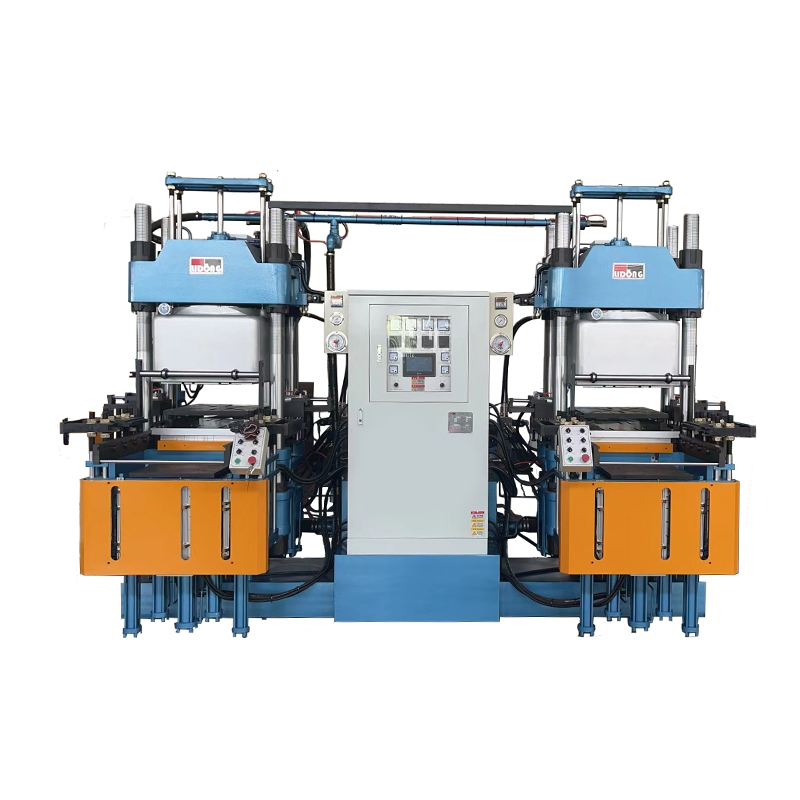
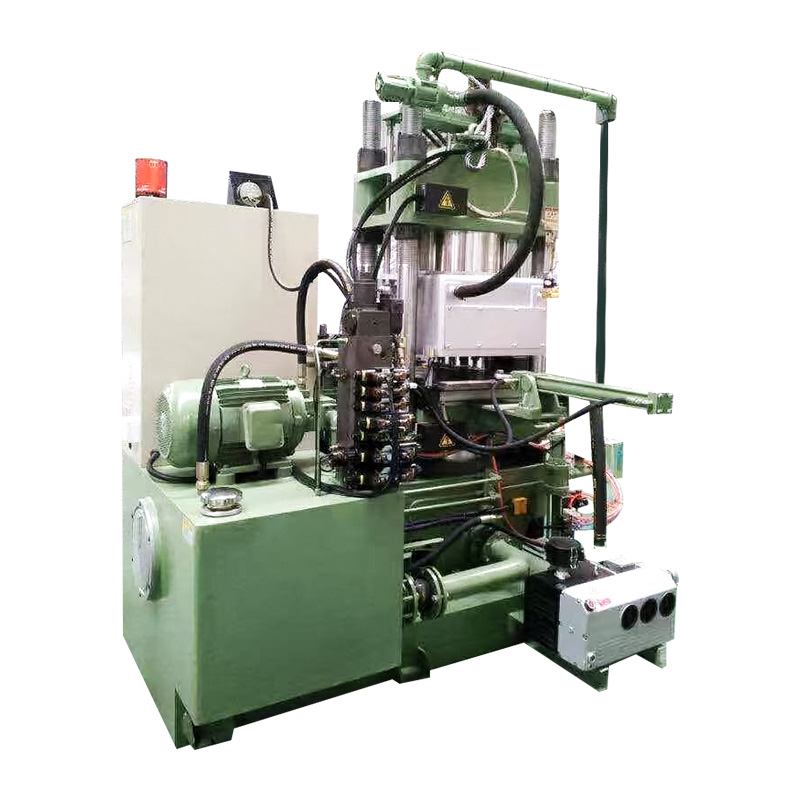
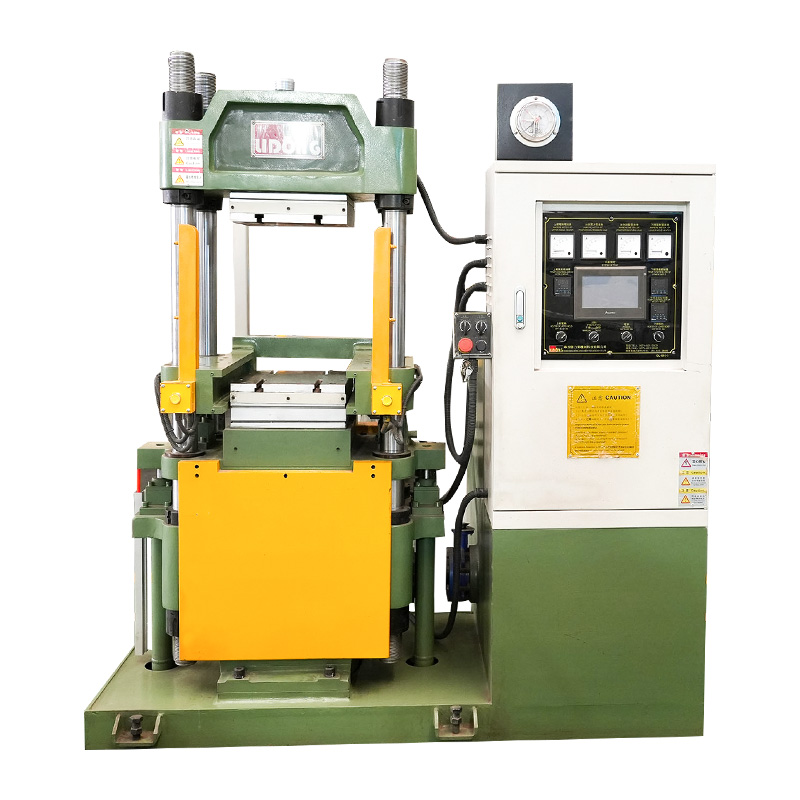
The introduction of Vacuum Vulcanizing Machine technology represents a significant advancement in Rubber Molding Press development, addressing the limitations of air entrapment and internal defects found in earlier molding methods. By creating a vacuum environment within the mold cavity, this technology removes air and volatile gases before and during the molding process, ensuring complete material filling and improved product integrity. Ningbo Delidong Machinery Technology Co., Ltd. has developed advanced Vacuum Vulcanizing Machine systems that integrate seamlessly with both compression and injection-based Rubber Machine solutions. This integration enhances the overall performance of the Molding Hot Press by improving surface finish and eliminating defects such as bubbles and voids. The use of vacuum technology is particularly beneficial for high-precision applications where product quality and reliability are critical. The controlled environment within the vacuum system allows for better regulation of temperature and pressure, resulting in more consistent curing conditions. Ningbo Delidong Machinery Technology Co., Ltd. incorporates innovative design features and advanced manufacturing processes into its vacuum systems, ensuring long-term stability and efficiency. The application of Vacuum Vulcanizing Machine technology extends across various industries, including automotive, aerospace, and electronics, where high-performance rubber components are required. By combining vacuum technology with modern control systems, manufacturers can achieve higher production standards and reduce material waste. This development highlights the continuous evolution of Rubber Molding Press systems toward greater precision, efficiency, and adaptability in industrial production.
The integration of automation and intelligent control systems has transformed the operation of modern Rubber Molding Press equipment, enabling higher efficiency and improved production consistency. Advanced Rubber Machine systems now incorporate programmable logic controllers, sensors, and data monitoring tools that provide real-time feedback on process parameters. Ningbo Delidong Machinery Technology Co., Ltd. has embraced these technologies by developing intelligent Molding Hot Press and Vacuum Vulcanizing Machine solutions that support automated production lines. Automation reduces manual intervention, minimizes errors, and enhances repeatability, making it suitable for large-scale manufacturing environments. The use of robotics for material handling and product removal further increases efficiency and reduces labor costs. Intelligent control systems enable predictive maintenance by analyzing operational data and identifying potential issues before they lead to downtime. Ningbo Delidong Machinery Technology Co., Ltd. integrates these features into its Rubber Molding Press equipment, ensuring reliable performance and long-term operational stability. The ability to connect machines within a networked production system supports the development of smart factories, where data-driven decision-making enhances productivity. This integration of automation and intelligent control represents a major advancement in Rubber Machine technology, allowing manufacturers to achieve higher levels of efficiency and quality while adapting to changing industrial requirements.
 English